Why You Should Visit Albania in the Shoulder Season
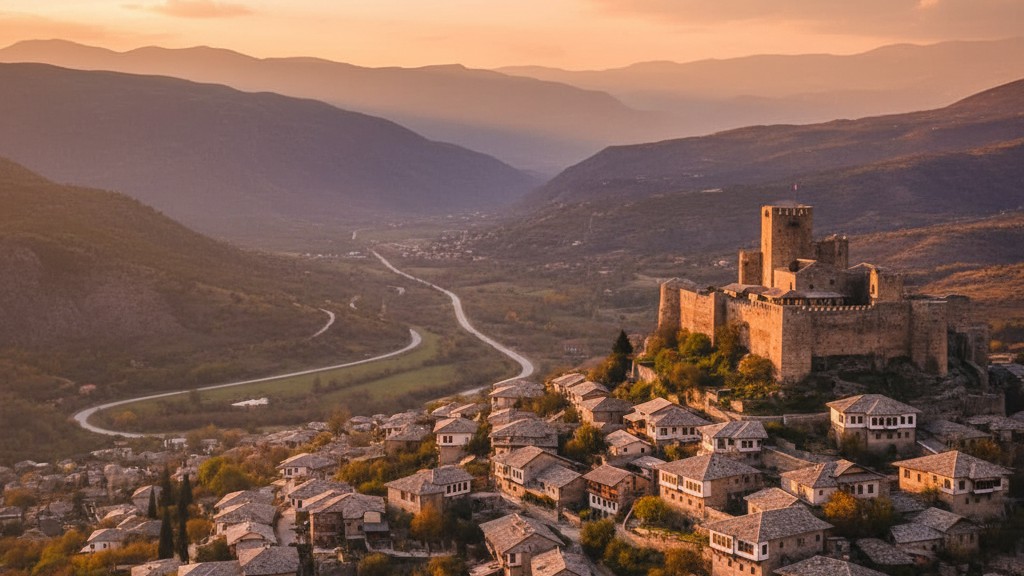
Albania, a hidden gem in the heart of the Balkans, offers a mesmerizing blend of stunning landscapes, rich history, and vibrant culture. While this captivating country welcomes visitors year-round, the shoulder season (April-May and September-October) presents a uniquely rewarding experience. During these months, you encounter mild temperatures averaging 18-24 degrees Celsius, significantly fewer tourists at major sites like Butrint and Berat, and accommodation rates that drop by 30-50 percent compared to July-August peaks.
The shoulder season transforms how you experience Albania. At Tirana International Airport Nene Tereza (TIA), you move through arrivals swiftly, pick up your rental car without long queues, and drive the SH8 coastal road to Saranda with breathing room to stop for photos at Llogara Pass. In Berat, you walk through the Mangalem quarter photographing Ottoman-era houses without dodging tour groups. At Ksamil beaches, you find parking near the shore and swim in water still warm from summer or freshened by early autumn currents.
Understanding the Shoulder Season Window
The shoulder season in Albania spans two distinct periods. Spring shoulder season runs from mid-April through May, when temperatures climb from 15 degrees in early April to 24 degrees by late May. Wildflowers bloom across mountain meadows in the Albanian Alps, and the Adriatic Sea warms to 17-19 degrees by May. Autumn shoulder season extends from September through mid-October, offering water temperatures still at 22-24 degrees in early September and air temperatures comfortable for hiking until late October.
These months avoid both the July-August crush when coastal towns like Himara triple their population and the November-March winter when many mountain guesthouses close. Flight prices from European capitals to TIA typically cost 40-60 euros less than peak summer fares. Car rental rates follow similar patterns, with a compact Hyundai i10 or Renault Clio available for 25-30 percent less than July rates.
The shoulder season also aligns with Albania's agricultural calendar. In spring, you see farmers planting olive groves near Berat and tending vineyards in the Permet valley. In autumn, olive harvest begins along the coast, and you encounter roadside stands selling fresh grapes, figs, and pomegranates throughout the southern districts.
Weather Advantages for Exploration
April and May bring daytime temperatures of 18-22 degrees along the coast and 14-18 degrees in mountain towns like Theth. These conditions prove ideal for hiking the Valbona to Theth trail, a 14-kilometer route over the Valbona Pass at 1795 meters elevation. You complete the trek without the intense midday sun that makes the same route exhausting in July. In Tirana, you explore the Bunk'Art museums and climb to Dajti Mountain on the cable car while temperatures remain comfortable for walking the city's Grand Park.
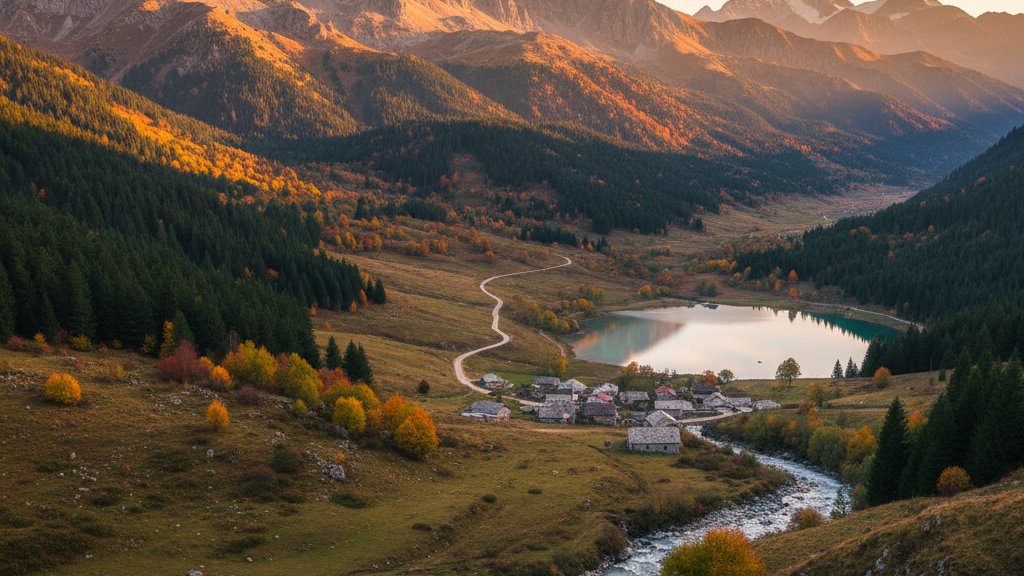
September and early October deliver Albania's most stable weather. Rainfall averages just 50-70 millimeters per month along the coast, compared to 120-150 millimeters in November. The Ionian Sea maintains temperatures of 22-24 degrees through September, warmer than many Mediterranean destinations. You swim at Jale Beach or Gjipe Canyon without the afternoon crowds that fill these beaches in August. The sun sets later than in winter, giving you daylight until 19:00 in September for evening drives along the coastal SH8.
Mountain weather in autumn remains stable until mid-October. You drive the SH4 from Shkodra to Theth on gravel roads that are dry and passable with a standard sedan with good ground clearance or a Dacia Duster 4x4. After mid-October, prepare for afternoon rain showers in mountain areas, though these rarely last more than an hour and clear to reveal dramatic light over the peaks.
Managing Crowds at Major Sites
At Butrint National Park near Saranda, the shoulder season transforms your experience. In July and August, tour buses from cruise ships in Corfu arrive hourly, and the ancient theater and baptistery fill with groups. In May or September, you walk the archaeological site with perhaps 30-40 other visitors total. You photograph the Lion Gate and explore the museum at your own pace. The site opens at 08:00, and arriving at opening time in shoulder season means you have the Venetian castle virtually alone.
Berat Castle, perched 214 meters above the town, becomes accessible during shoulder months. The steep cobblestone path to the castle gates remains challenging, but you make the 25-minute climb without competing for space. Inside the castle walls, you explore the Onufri Museum in the Cathedral of St. Mary and visit the Red Mosque while finding shade under centuries-old olive trees. Local families still live within the castle walls, and in shoulder season you encounter residents going about daily routines, hanging laundry and tending small gardens.
Planning to explore Albania's UNESCO sites and mountain roads this shoulder season? Compare rental options from compact cars to SUVs suitable for diverse Albanian terrain, from coastal highways to mountain trails.
Gjirokaster's Old Town, another UNESCO World Heritage site, opens fully during shoulder months. You park near the lower bazaar instead of in distant lots, walk up to Gjirokaster Castle without tour group congestion, and spend time in the Skenduli House museum with personal attention from guides. The castle's Cold War tunnel system and weapons museum become opportunities for genuine exploration rather than rushed photo stops.
Accommodation Value and Availability
Coastal guesthouses and hotels in Saranda, Himara, and Vlora drop rates by 35-50 percent in shoulder months. A seafront room in Saranda that costs 80-100 euros per night in August goes for 45-60 euros in May or September. Properties near Ksamil beaches offer similar discounts, and you secure rooms with sea views without booking months ahead. Many hotels include breakfast with Albanian specialties like byrek, local honey, and fresh fruit from regional farms.
Mountain guesthouses in Theth and Valbona typically operate from April through October, closing only in deep winter. Rates remain stable at 20-30 euros per person with half-board (dinner and breakfast included), as these properties never implement peak season surcharges. The advantage comes from availability - you book a room just days before arrival instead of competing for limited space during the July-August hiking peak.
Tirana hotels and aparthotels maintain year-round operations with subtle rate variations. A business hotel near Skanderbeg Square costs 60-70 euros in shoulder season versus 75-85 euros in summer. More significantly, you access boutique properties in the Blloku district that fill quickly in peak months. Traditional stone houses converted to guesthouses in Berat and Gjirokaster become available for multi-night stays, offering authentic accommodation within historic quarters.
Cultural Immersion Opportunities
Shoulder season dining means restaurant owners have time to discuss their menus. In Berat, a taverna owner explains how tave dheu (meat and vegetable casserole baked in clay) uses lamb from mountain pastures above the Osumi River. In Himara, a beachfront restaurant prepares fresh midye (mussels) harvested that morning from rocks below the coastal road. You taste qofte (meatballs) made from recipes passed through generations, seasoned with wild oregano from mountain slopes.
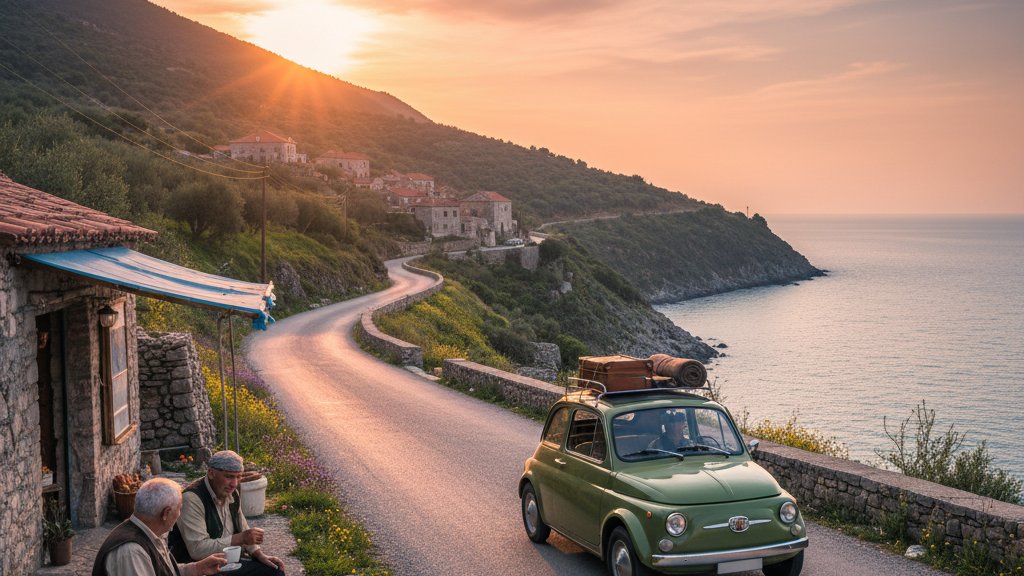
Markets operate at full capacity in shoulder months. In Shkodra, the morning market fills with vendors selling vegetables from the Zadrima plain, lake fish from Shkodra Lake, and honey from beekeepers in the Malesia e Madhe region. You speak with farmers about their products without the rush of high-season tourism. In Korce, the market includes artisans selling handwoven kilims and copper coffee pots, and craftspeople demonstrate their techniques.
Village festivals continue through shoulder months. The Permet area celebrates its thermal springs in May with local music performances. Gjirokaster hosts folk music events in September, where you hear iso-polyphony, the distinctive multi-part singing UNESCO recognizes as intangible cultural heritage. These events draw primarily Albanian families rather than international tour groups, providing genuine cultural encounters.
Outdoor Activities and Natural Sites
The Albanian Riviera from Vlora to Saranda becomes ideal for road trips in shoulder season. You drive the SH8 with time to stop at Llogara Pass, where the road climbs to 1027 meters with views over the Ionian Sea. Parking areas at viewpoints have space, and you take photos without cars blocking the vista. The descent to Dhermi and Himara reveals beaches below, and you reach them on steep access roads without meeting vehicles climbing from the opposite direction.
Hiking in Theth National Park offers spring wildflowers or autumn colors depending on your chosen shoulder month. The trail to the Blue Eye spring (Syri i Kalter), a 45-minute walk from Theth village center, winds through beech forests. In May, wild orchids bloom beside the path. In September, the forest canopy turns gold and amber. The spring maintains its vivid turquoise color year-round, fed by underground rivers from surrounding peaks.
| Activity | Spring Shoulder (Apr-May) | Autumn Shoulder (Sep-Oct) | Ideal Vehicle |
|---|---|---|---|
| Coastal drives SH8 | Clear roads, 22 deg C | Perfect visibility, 24 deg C | Any sedan |
| Mountain hiking Alps | Wildflowers, cool mornings | Stable weather, autumn colors | 4x4 for Theth/Valbona access |
| Beach swimming | Water 17-19 deg C by late May | Water 22-24 deg C Sep | Compact for coastal parking |
| Archaeological sites | Comfortable walking temp | Excellent light for photos | Any rental suitable |
| Wine country Berat | Vines in leaf | Harvest season visits | Sedan with trunk space |
Cycling routes along the Shkumbin River valley near Elbasan remain comfortable through shoulder months. You rent bicycles in Elbasan or bring your own in a rental car with a roof rack, then ride through villages where farmers work fields and children walk to school. The flat valley roads extend for 30-40 kilometers with minimal traffic. In May, wheat fields turn green. In September, harvested fields reveal the valley's full width between mountain ranges.
Divjaka-Karavasta National Park, protecting the largest lagoon in Albania at 4,000 hectares, becomes a birding destination in shoulder months. Spring migration brings egrets, herons, and the rare Dalmatian pelican. Autumn migration sees flocks of waterfowl staging before continuing to African wintering grounds. You access the park from the Divjaka beach road, driving 8 kilometers on gravel suitable for standard sedans to reach observation platforms.
Practical Travel Considerations
Rental car pickup at TIA operates smoothly in shoulder season. Companies like local Albanian providers maintain desks in the arrivals hall, and you complete paperwork in 15-20 minutes. Your reserved Volkswagen Polo or Skoda Fabia waits in the nearby lot. If you booked an SUV for mountain travel, a Dacia Duster or Suzuki Vitara proves ready. No waiting for vehicles to return from other customers or dealing with overbooked situations common in peak season.
Fuel stations along main routes (A1 motorway, SH1 to Shkodra, SH4 to Kosovo border, SH8 coastal route) operate consistently. Fuel prices fluctuate with global markets but typically range 180-195 leke per liter for diesel, 170-185 leke for gasoline. Credit cards work at modern stations, though carrying cash remains practical for smaller rural stations.
Ferry services from Vlora to Italy and from Saranda to Corfu run on reduced schedules in shoulder months compared to daily summer departures, but at least 3-4 crossings operate weekly. If your itinerary includes crossing to Greek islands or Italian ports, check current schedules and book vehicle space in advance, as ferry operators prioritize foot passengers when vehicle demand drops.
FAQ
What temperatures can I expect in Albania during spring shoulder season and will beaches be warm enough for swimming?
Spring shoulder season (April through May) brings coastal temperatures of 18-22 degrees Celsius with water temperatures starting at 15 degrees in early April and reaching 19 degrees by late May. Swimming becomes comfortable from mid-May onward, particularly in sheltered bays like Gjipe and Jale. Mountain areas like Theth remain cooler at 12-16 degrees but perfect for hiking. Pack layers for morning chill and afternoon warmth.
How much can I save on accommodation by visiting Albania in September instead of August?
Accommodation rates in coastal areas drop 35-50 percent in September compared to August peaks. A beachfront hotel room in Saranda costing 90 euros in August averages 50-60 euros in September with identical amenities. Guesthouses in Himara and Dhermi offer similar savings. Mountain accommodation in Theth and Valbona maintains stable rates year-round at 25-35 euros per person with meals included, but you gain much easier availability.
Will restaurants and tourist services still operate fully during shoulder season months?
Yes, restaurants, hotels, tour operators, and transportation services operate fully during April-May and September-October. Coastal towns like Vlora, Himara, and Saranda maintain full restaurant service as many establishments operate March through November. Mountain guesthouses in Theth and Valbona close only during winter months (November-March). Museums, archaeological sites, and national parks keep regular hours. The only services that reduce are large tour operations that cater to cruise ship passengers.
What type of rental car should I choose for visiting both coastal and mountain areas in shoulder season?
A compact sedan with good ground clearance handles coastal roads and paved mountain routes like the road to Berat and Gjirokaster effectively. For reaching Theth or Valbona on gravel roads, book a 4x4 like a Dacia Duster or Suzuki Vitara. In spring (April-May), mountain roads dry out quickly after winter, but May offers the most reliable conditions. September and early October present excellent mountain road conditions before autumn rains begin mid-October. Compare vehicles available at Tirana Airport for your specific itinerary.
Are the Albanian Alps accessible for hiking during shoulder season or should I wait for summer?
The Albanian Alps offer outstanding hiking during shoulder season, often superior to July-August when trails become crowded and temperatures exceed 30 degrees. The Valbona to Theth trail opens in April once snow clears from the 1795-meter Valbona Pass, typically by mid-April. May brings wildflowers and comfortable temperatures of 15-20 degrees at valley floors. September provides the most stable weather with warm days and cool nights ideal for mountain guesthouses. October remains suitable until mid-month when afternoon rain becomes common. High-altitude routes above 2000 meters may hold snow patches into May.
How do I access no-deposit rental cars during shoulder season in Albania?
Shoulder season increases your chances of securing no-deposit rental options in Tirana and other pickup points as demand decreases and local companies offer more flexible terms. When booking online, filter specifically for no-deposit cars, though availability depends on the rental company's policies rather than season. The standard refundable security block on your card at pickup ranges from 200-400 euros regardless of season, held until you return the vehicle undamaged. Advance payment for the rental period by card online remains required year-round.
Historical and Cultural Site Visits
Apollonia Archaeological Park, located 12 kilometers from Fier on the SH4, reveals its full extent during shoulder season. This ancient Greek city founded in 588 BC sprawls across 137 hectares, with excavated areas showing the theater, odeon, and colonnaded streets. In May or September, you walk the site without shade, but temperatures remain manageable. The on-site museum, housed in the 13th-century Byzantine Monastery of St. Mary, displays sculptures and mosaics found during excavations. You park directly at the entrance instead of in overflow lots required in peak summer.
Kruja, 32 kilometers north of Tirana on the SH1, centers on its castle and old bazaar. The Skanderbeg Museum within the castle tells the story of Albania's national hero who resisted Ottoman expansion in the 15th century. The bazaar below the castle operates daily, with artisans selling copper goods, traditional clothing, and hand-carved wooden items. Shoulder season means you negotiate with shopkeepers who have time to explain their crafts. The castle ramparts provide views west to the Adriatic Sea 20 kilometers distant and east to Mount Dajti above Tirana.
Durres, Albania's main port city and second-largest urban center, contains a Roman amphitheater from the 2nd century AD seating 15,000 spectators. Located in the city center near the waterfront, the amphitheater becomes accessible for detailed exploration in shoulder months. You descend into the arena floor and walk the underground chambers where gladiators once waited. The adjacent archaeological museum displays artifacts from the Roman, Byzantine, and Ottoman periods that shaped Durres' history as one of the Adriatic's major ports for over 2,500 years.
Planning Your Shoulder Season Trip
Flight connections to TIA operate year-round from major European cities including Vienna, Rome, Milan, Athens, and Istanbul. Budget carriers maintain regular schedules to Tirana with frequencies of 3-7 flights weekly depending on the route. Book flights 2-3 months ahead for shoulder season to secure standard fares of 80-150 euros return from Central European cities. Flexibility with travel dates by even a few days can produce significant savings as algorithms optimize for mid-week departures.
Advance car rental reservations through online aggregators comparing Albanian providers secure your vehicle and lock rates. Book 3-4 weeks ahead for shoulder season, though availability exceeds summer. Specify automatic transmission if required, as most Albanian rental fleets default to manual. Confirm the inclusion of CDW (Collision Damage Waiver) and theft protection in your rate. Review the company's policy on additional drivers, as some Albanian providers include a second driver at no extra charge while others levy fees of 5-8 euros per day.
Accommodation booking 2-4 weeks ahead suffices for shoulder season, except during local events or long weekends coinciding with Albanian holidays. Use booking platforms showing guest reviews and property photos, prioritizing accommodations with parking if you rent a car. Many Albanian guesthouses offer airport pickup from TIA for 20-25 euros, valuable if you arrive late or prefer not driving immediately after landing. Mountain guesthouses in Theth and Valbona respond to email booking inquiries, typically answering within 24 hours.
Pack layers for shoulder season weather variation. Daytime temperatures allow shorts and t-shirts, but evenings cool to 12-15 degrees requiring a light jacket. Bring walking shoes with good soles for cobblestone streets in historic towns and hiking boots if planning mountain trails. A sun hat and sunscreen remain essential as Mediterranean sun intensity continues through shoulder months. Rain gear proves useful in October when afternoon showers become more common, though brief and rarely interfering with full-day plans.
Travel insurance covering medical emergencies, trip cancellation, and rental car collision deductibles provides peace of mind. Albanian hospitals in Tirana and major cities offer adequate care, but serious medical emergencies may require evacuation to Greece or Italy. Standard travel insurance policies priced at 30-50 euros for a week provide medical coverage of 50,000-100,000 euros. Verify whether your policy includes rental car coverage, as this can reduce the insurance you purchase from the rental company.