The Best Destinations for Scuba Diving and Snorkeling in Albania
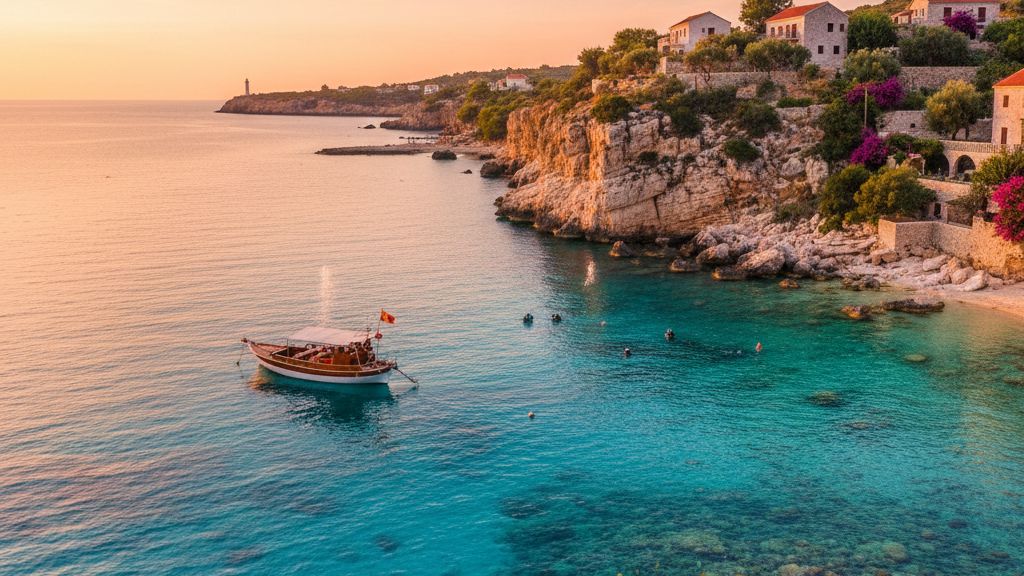
Albania's coastline stretches 450 kilometers along the Adriatic and Ionian Seas, presenting underwater landscapes that rival Mediterranean destinations costing three times as much. The country's marine protected areas harbor groupers weighing up to 40 kilograms, ancient amphorae from Roman trade routes, and cave systems extending 80 meters into coastal cliffs. Water temperatures reach 26 degrees Celsius in August, visibility extends to 30 meters on calm days, and diving centers operate from May through October at half the price of Croatian or Greek equivalents.
The Albanian Riviera's underwater topography reflects millennia of tectonic activity: vertical walls descend to 40-meter depths within 200 meters of shore, limestone caverns create light-play effects photographed by National Geographic contributors, and posidonia meadows provide nursery grounds for endangered Mediterranean monk seals. Rental cars enable divers to reach five distinct marine ecosystems in a single week, from the shallow coral gardens of Ksamil to the dramatic drop-offs of Karaburun Peninsula where pelagic species hunt in summer upwellings.
Scuba Diving Along Albania's Southern Coast
The southern Albanian coastline from Vlora to Saranda represents 120 kilometers of dive sites accessible via the SH8 coastal road. Dive centers in Saranda, Himara, and Dhermi maintain relationships with marine biologists monitoring the Karaburun-Sazan Marine Park, Albania's only fully protected maritime zone established in 2010. Divers encounter species density comparable to Kornati Islands National Park in Croatia: red scorpionfish camouflaged against volcanic rock, octopuses occupying amphorae dated to the 3rd century BCE, and schools of amberjack circling seamounts at 25-meter depths.
Water conditions along the Ionian coast favor extended dive seasons: sea surface temperatures remain above 18 degrees Celsius from May through November, thermoclines develop at 15-20 meters creating distinct biological zones, and prevailing northwest winds shelter dive sites along south-facing coves. The best visibility occurs in early morning before thermal winds develop around 11:00, when plankton blooms subside and suspended sediment settles. Professional dive operations in Saranda require PADI or SSI certification for depths exceeding 18 meters, maintain rescue equipment including oxygen kits and VHF radios, and limit group sizes to six divers per guide following EU underwater tourism standards.
Saranda Bay Cave Systems and Shipwrecks
Saranda's underwater topography features 14 documented cave systems between Monastery Beach and Pulebardha Bay, with entrances ranging from 8 to 22 meters depth. The Haxhi Ali Cave extends 45 meters into the coastal limestone, creating a swim-through passage wide enough for three divers abreast where Mediterranean moray eels occupy crevices year-round. Light penetration through roof openings supports photosynthetic sponges in orange and yellow hues attracting underwater photographers from April through September.
Three accessible shipwrecks lie within Saranda's recreational diving limits: a wooden fishing vessel at 16 meters colonized by fan corals and serving as an artificial reef since the 1980s, scattered cargo amphora from a Roman-era merchant ship at 12 meters depth near Lekursi Castle headland, and a small steel patrol boat resting upright at 24 meters requiring Advanced Open Water certification. Groupers shelter in the patrol boat's engine room, while barracuda patrol the wreck's perimeter during summer months. Dive shops charge EUR 40-55 per guided two-tank dive including weights and air, with equipment rental adding EUR 20 for full kit.
Vlora Bay's Marine Diversity and Training Sites
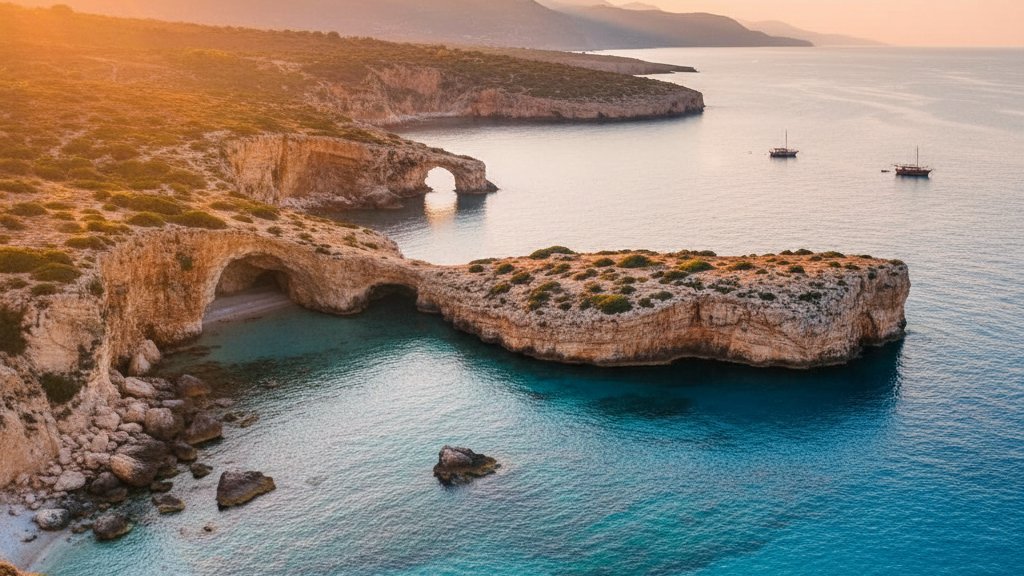
Vlora Bay's protected waters serve dual purposes: shallow training areas for Open Water certification courses and deeper walls for advanced divers seeking biodiversity. The bay's northern shore features gradual slopes from 5 to 18 meters ideal for first-time divers, with sandy bottoms interspersed with rock formations where peacock wrasse and painted comber display breeding colors in May and June. Water clarity in Vlora Bay averages 15-20 meters during summer, improving to 25 meters in shoulder seasons when river runoff decreases.
Karaburun Peninsula's western face, accessible by boat from Vlora in 45 minutes, presents Albania's most challenging dive sites: vertical walls descending beyond recreational limits, strong currents bringing nutrient-rich water attracting larger species, and swim-throughs requiring buoyancy control at 30-meter depths. Divers report encounters with common dolphins hunting sardine schools in July, Mediterranean monk seals observing from cave entrances before dawn, and bluefin tuna passing during spring and autumn migrations. Three dive centers in Vlora operate daily boat trips to Karaburun from June through September, departing at 08:00 and returning by 15:00, with prices ranging from EUR 60-80 including two dives, guide, tanks, and weights.
Planning a diving road trip along the Albanian Riviera? Rent a compact car in Saranda to explore multiple dive centers and coastal sites with your equipment safely stored between dives.
Dhermi's Underwater Canyons and Marine Species
Dhermi's coastline features underwater canyons carved by ancient rivers during ice age sea level drops, creating topographic features unique to Albania's central coast. The Palase Canyon begins at 12 meters depth and descends to 35 meters within a 60-meter horizontal distance, its walls supporting black coral colonies and sea fans that thrive in the canyon's upwelling currents. Marine biologists from Tirana University conduct annual surveys documenting 47 fish species within Dhermi's waters, including dusky grouper, Mediterranean rainbow wrasse, and vulnerable loggerhead sea turtles feeding on jellyfish from May through August.
The Gjipe Canyon dive site, accessible via a steep trail from the village or by boat charter, offers encounters with pelagic species: Atlantic bonito hunting in surface waters, Mediterranean horse mackerel forming bait balls pursued by amberjack, and rare sightings of devil rays gliding along the canyon's rim in July. Underwater photographers favor Dhermi for macro subjects: nudibranchs including the vibrant Spanish dancer, seahorses anchored to seagrass at 8-meter depths, and decorator crabs covered in sponges and algae. Small dive operations in Dhermi maintain a relaxed atmosphere emphasizing small groups and extended bottom times, with two-dive trips costing EUR 50-65 and night dives offered twice weekly during peak season.
Snorkeling Paradises Along the Albanian Coast
Snorkeling in Albania requires only mask, fins, and snorkel to access marine life that in other Mediterranean countries necessitates scuba equipment. The Albanian Ionian coast's steep underwater topography places coral-covered walls within 30 meters of beach access points, creating snorkeling sites where swimmers at the surface observe groupers hunting at 8-meter depths. Water entry from beaches eliminates boat fees, while the absence of commercial development along much of the coast means fish populations remain dense even in easily accessible areas.
Ideal snorkeling conditions occur in morning hours before thermal winds create surface chop: water temperatures comfortable for extended sessions without wetsuits from June through September, visibility exceeding 20 meters in settled weather, and marine life most active during early daylight feeding periods. Snorkelers should respect the delicate ecosystems by avoiding standing on corals, not pursuing turtles or dolphins, and removing no shells or marine life from the sea. Albania's marine protected areas prohibit fishing with certain gear types, but snorkelers may observe traditional fishermen using sustainable methods that have operated for generations.

Ksamil's Island Lagoons and Shallow Reefs
Ksamil village, 17 kilometers south of Saranda via SH81, features four small islands creating sheltered lagoons with water depths of 2-6 meters ideal for snorkeling. The channel between the mainland and the nearest island supports seagrass meadows where salema porgies graze in schools of 50-plus individuals, rainbow wrasse establish cleaning stations servicing larger fish, and sand gobies exhibit territorial behaviors visible to snorkelers floating motionless at the surface. Water clarity in Ksamil's protected bays reaches 25 meters on windless days, enabling snorkelers to observe bottom details from surface positions.
The rocky outcrops connecting the islands harbor biodiversity compressed into small areas: sea urchins occupying crevices create purple carpets on rocks, starfish in orange and red hues cling to vertical surfaces, and octopuses den in small caves marked by discarded crab shells at entrance points. Snorkelers swimming the 80-meter distance to the farthest island encounter deeper water where larger fish species appear: golden grey mullet, white seabream, and occasional barracuda patrolling the island's perimeter. Local regulations prohibit motorized watercraft within 100 meters of the islands, preserving water quality and protecting snorkelers from boat traffic during July and August when visitor numbers peak.
Karaburun Peninsula's Marine Reserve Snorkeling
Karaburun Peninsula's marine protected zone, accessible only by boat from Vlora or Himara, offers snorkeling in waters where fishing has been restricted since 2010. The resulting fish populations exceed densities in unprotected areas by factors measured in marine surveys: grouper sightings occur on 80 percent of snorkel sessions, schools of Mediterranean parrotfish graze on algae-covered rocks in groups exceeding 30 individuals, and apex predators including large amberjack patrol reef edges visible from snorkel depth. Day boat trips from Vlora include 2-3 snorkel stops at sites selected based on weather and current conditions, with durations of 6-7 hours and prices of EUR 30-45 per person including equipment.
The peninsula's west coast presents dramatic underwater cliffs beginning at 3-meter depths and descending beyond visibility range, creating wall-diving conditions accessible to snorkelers along the cliff's upper portions. Purple and orange encrusting sponges cover vertical surfaces, creating color contrasts photographed with basic waterproof cameras, while thermoclines at 10-12 meters create visible boundaries between warm surface water and cooler upwelling. Snorkelers should maintain neutral buoyancy at the surface to avoid damaging sessile organisms, follow guide instructions regarding current conditions, and surface slowly when returning to boats after extended snorkeling periods.
Himara Bay's Protected Coves and Marine Life
Himara's coastline between Livadhi Beach and Potami Beach features 8 small coves with snorkeling sites reached via short hikes from the main SH8 road. Jale Beach's northern rocks support populations of colorful wrasse species: ornate wrasse displaying turquoise and orange patterns, ocellated wrasse with distinctive eye-spots, and Mediterranean rainbow wrasse exhibiting sexual dimorphism where males display vibrant breeding colors. The rocky substrates host sea anemones providing habitat for symbiotic shrimp visible to observant snorkelers, while under overhangs, Mediterranean moray eels extend heads from dens during daylight hours.
Loggerhead sea turtles frequent Himara's waters from May through September, feeding on jellyfish that aggregate in warm surface currents. Snorkelers encountering turtles should observe from distances of 5 meters minimum, avoid flash photography that disturbs the animals, and never attempt to touch or ride turtles as such interactions violate Albanian wildlife protection laws. Local conservation groups conduct turtle monitoring programs, welcoming reports from snorkelers who observe nesting activities on beaches or injured animals requiring rescue. Snorkel equipment rental from beach vendors costs EUR 5-8 per day, with quality varying - serious snorkelers should bring personal gear from home or purchase from sports shops in Saranda or Vlora.
Seasonal Considerations for Albanian Diving and Snorkeling
Albania's diving and snorkeling season extends from May through October, with distinct characteristics for each period. May and June offer excellent visibility averaging 25-30 meters as spring plankton blooms subside, water temperatures reaching 20-22 degrees Celsius comfortable with 5mm wetsuits, and marine life exhibiting breeding behaviors including colorful mating displays. Summer months July and August bring warmest water temperatures of 24-26 degrees Celsius allowing extended sessions with 3mm wetsuits or shorties, but increased boat traffic and swimmer numbers in popular areas, plus occasional afternoon winds reducing visibility to 15-20 meters.
September and October represent the shoulder season favored by experienced divers: water remains warm at 22-24 degrees through September, visibility improves to 25-30 meters as tourist numbers decline, and marine life remains active with autumn fish migrations bringing pelagic species closer to shore. October water temperatures drop to 18-20 degrees Celsius requiring 5-7mm wetsuits for multi-dive days, but the reduced diving activity creates intimate experiences at popular sites. Winter diving from November through March remains possible in southern locations with 7mm wetsuits or drysuits, though most commercial operations close and boat access becomes limited by weather windows.
| Month | Water Temp (Celsius) | Visibility (meters) | Wetsuit Required | Conditions |
|---|---|---|---|---|
| May | 18-20 | 25-30 | 5mm full | Clear water, breeding activity |
| June | 20-22 | 20-25 | 5mm full | Warming seas, good visibility |
| July | 24-26 | 15-20 | 3mm or shorty | Peak season, warm comfortable |
| August | 25-26 | 15-20 | 3mm or shorty | Warmest water, busy period |
| September | 22-24 | 25-30 | 3-5mm | Excellent conditions, fewer crowds |
| October | 18-20 | 25-30 | 5-7mm | Clear water, cooler but comfortable |
Diving Certification and Equipment Requirements in Albania
Albanian dive centers recognize international certification agencies including PADI, SSI, CMAS, and NAUI, with minimum requirements of Open Water certification for guided recreational dives to 18 meters. Advanced Open Water or equivalent certifications enable access to deeper sites between 18-30 meters including most wreck dives and wall dives along Karaburun. Dive operators verify certification cards before allowing participation, maintain digital logbooks recording depths and sites for insurance purposes, and require signed liability waivers acknowledging diving risks.
Equipment standards in Albania match EU diving tourism regulations: dive centers provide regularly serviced BCs, regulators tested before each season, tanks with current visual inspection dates, and exposure suits appropriate for seasonal conditions. Divers bringing personal equipment should include regulators with DIN or yoke fittings matching Albanian tank valves (yoke most common), computers set to conservative profiles for multi-day diving, and surface markers for deployments in areas with boat traffic. Weight requirements in saltwater average 2-4 kilograms more than freshwater, with 5mm wetsuits requiring 6-10 kilograms depending on body composition.
Non-certified individuals can participate in Discover Scuba Diving experiences: shallow water introductions in protected bays to maximum 6-meter depths, conducted by instructors maintaining continuous physical contact, and limited to 30-40 minute bottom times. These introductory dives cost EUR 60-80 and serve as prerequisites for full Open Water courses, which Albanian dive centers offer over 3-4 days for EUR 300-400 including materials, equipment, and certification fees. Advanced specialty courses including deep diving, navigation, and night diving run EUR 200-250 and require 2 days plus logged prerequisite dives.
Marine Conservation and Responsible Diving Practices
Albania's underwater environment faces pressures common to Mediterranean developing tourism destinations: overfishing of target species including grouper and sea bream, plastic pollution accumulating in coves and bays, and anchor damage to posidonia seagrass meadows that reproduce slowly. Responsible divers contribute to conservation by practicing perfect buoyancy control avoiding contact with bottom substrates, collecting visible trash during dives for proper disposal ashore, and reporting environmental concerns including bleached corals or injured marine life to dive center staff or local authorities.
The Karaburun-Sazan Marine Park implements strictest protections: no-take zones prohibiting all fishing within core areas, seasonal restrictions on recreational activities during monk seal pupping periods, and limited access requiring permits for commercial diving operations. Divers visiting the park should follow guide instructions precisely, avoid entering marked restricted zones, and maintain 50-meter distances from marine mammal sightings to prevent disturbance of protected species. Marine biologists encourage citizen science reporting through apps recording species observations, contributing data supporting conservation management decisions.
Sustainable diving practices extend beyond underwater behaviors to shore-side choices: selecting dive operators demonstrating environmental certifications including Green Fins or Project AWARE partnerships, refusing single-use plastics by bringing reusable water bottles and bags, and supporting local conservation initiatives through donations or volunteer programs. Divers staying multiple days in coastal communities should rent vehicles in Vlora or Saranda to reach less-impacted dive sites away from urban centers, distributing tourism pressure across the coastline.
Transportation and Logistics for Diving Trips in Albania
Accessing Albania's dive sites requires transportation combining different modes: international flights arrive at Tirana International Airport (TIA), located 145 kilometers north of Vlora and 285 kilometers north of Saranda via the A1 motorway and SH8 coastal road. Rental cars provide optimal flexibility for divers visiting multiple coastal locations, with compact vehicles sufficient for transporting personal gear and eliminating dependence on limited bus schedules between towns. The drive from Tirana to Saranda requires 4-5 hours allowing for SH8's winding coastal sections, with Vlora reachable in 2 hours via faster A1 motorway.
Dive equipment transportation on domestic routes follows airline regulations: regulators and dive computers carry-on for protection from baggage handling damage, BCDs and wetsuits checked in soft bags preventing abrasion, and tanks never transported as airlines prohibit pressurized cylinders. Rental vehicles should have adequate trunk space for gear plus cooler storage for post-dive refreshments - hatchbacks and small SUVs accommodate equipment for 2-3 divers comfortably. Parking at dive centers and beach access points typically costs nothing in shoulder season, with summer fees of EUR 2-5 daily in popular areas like Ksamil and Himara.
Dive boat departures operate on Mediterranean schedules: morning trips leave 08:00-09:00 for 4-6 hour excursions including 2 dives, afternoon trips less common but available from larger operations, and night dives departing 18:30-19:00 during summer. Divers should arrive 30 minutes before departure for equipment setup and briefings, bringing personal gear organized in mesh bags for easy boat storage. Boat facilities vary from basic 6-meter inflatables with no-frills equipment to 10-meter ribs with dive platforms, freshwater rinse systems, and covered seating areas - prices reflect comfort levels with premium services commanding EUR 80-100 per trip.
FAQ
Do I need advanced certification to dive in Albania or can Open Water divers access most sites?
Open Water certification grants access to approximately 60 percent of Albania's recreational dive sites, including cave swim-throughs at Saranda to 18 meters, protected bay dives near Vlora, and shallow reef explorations around Ksamil. Advanced Open Water or equivalent certification opens deeper sites between 18-30 meters: wreck dives including the Saranda patrol boat at 24 meters, wall dives along Karaburun Peninsula where features extend to 35 meters, and drift dives in current-swept areas requiring experience managing stronger water movement. Divers with only Open Water wanting to access advanced sites can complete upgrade training in Albania over 2 days.
What marine species might I encounter while diving and snorkeling in Albanian waters?
Albanian coastal waters host over 70 documented fish species within recreational diving depths: groupers including dusky grouper and goldblotch grouper occupying cave systems and wrecks, barracuda patrolling in small groups along drop-offs and reef edges, and schooling species like salema porgy and Mediterranean parrotfish grazing on algae. Macro life includes octopuses changing color and texture to match substrates, nudibranchs in 15-plus species crawling on rocks and sponges, seahorses anchored to seagrass at 5-12 meter depths, and various crustaceans including hermit crabs and Mediterranean slipper lobsters. Protected species sightings remain possible but uncommon: loggerhead sea turtles in summer months, Mediterranean monk seals in remote caves primarily at dawn, and common dolphins hunting in open water beyond typical dive sites.
How does diving in Albania compare with other Mediterranean destinations in terms of cost and conditions?
Albanian diving costs run 40-60 percent below Greek islands, Croatian coast, and Italian destinations: two-tank boat dives with guide, weights, and air cost EUR 50-70 in Albania versus EUR 90-140 in Croatia or EUR 100-150 in Sardinia. Water conditions match or exceed neighboring countries - visibility reaches 30 meters in optimal conditions similar to Croatia's Kornati Islands, marine life diversity compares favorably with less-developed Greek islands, and water temperatures track 1-2 degrees warmer than Croatian Adriatic due to Albania's southern latitude. Infrastructure differences include fewer dive centers requiring advance booking during peak season, more basic boat facilities lacking amenities of established destinations, and less English signage in coastal villages though dive staff communicate effectively in English, Italian, or German.
Can I rent a car at Tirana Airport and drive directly to southern dive destinations on the same day?
Driving from Tirana International Airport to Saranda covers 285 kilometers requiring 4.5-5 hours under normal traffic conditions, making same-day arrival with afternoon diving impractical - most divers schedule arrival day for driving and overnight in Saranda with diving beginning the following morning. Vlora lies 145 kilometers from TIA, reachable in 2-2.5 hours via A1 motorway, allowing afternoon dives if flights arrive before 13:00. The car rental process at Tirana Airport requires 20-40 minutes for documentation and vehicle inspection, with rental companies clustered in the terminal's ground floor operating 06:00-23:00 daily. Compact and midsize vehicles handle coastal roads adequately - 4WD unnecessary unless planning inland mountain detours to sites like Gjirokastra or Valbona between dive days.
What safety protocols should divers follow when exploring Albanian underwater sites?
Safety protocols for Albanian diving match international standards with considerations for local conditions: always dive with certified guides when exploring new sites as detailed charts of Albanian waters remain incomplete, maintain buddy contact throughout dives in waters where solo diving violates insurance requirements, and deploy surface marker buoys when ascending in areas with boat traffic along SH8 coastal route. Cellular coverage exists in most coastal towns enabling emergency communications, but satellite phones or VHF radios provide backup in remote locations like Karaburun Peninsula. Nearest hyperbaric chamber operates in Vlora at the Naval Hospital, reachable within 90 minutes from most Ionian dive sites - dive accident insurance through DAN or equivalent covers chamber treatment and evacuation costs. Divers should log conservative profiles when conducting multi-day diving, particularly in Albania's deeper sites, staying well within no-decompression limits and maintaining 3-5 minute safety stops at 5 meters before every surface return.
Beyond the Water: Albanian Coastal Culture and Cuisine
Albania's diving destinations offer cultural experiences enhancing the underwater focus: Ottoman-era fortresses overlook dive sites at Saranda and Himara, ancient Illyrian burial mounds dot hillsides above Dhermi, and traditional stone villages like Qeparo perch on cliffs 200 meters above the Ionian Sea. Between morning and afternoon dives, visitors explore archaeological sites including Butrint National Park's Roman and Greek ruins 30 minutes south of Saranda, walk coastal trails connecting beaches through olive groves and pine forests, or visit coastal markets selling produce from family farms in the mountains.
Albanian coastal cuisine emphasizes fresh seafood: grilled sea bream and sea bass caught by traditional small boats, fried calamari and octopus salad served in family-run tavernas, and mussels cultivated in Butrint Lagoon prepared with white wine and garlic. Inland specialties include tave kosi (baked lamb with yogurt), fergese (peppers with cheese and tomatoes), and qofte (spiced meatballs), accompanied by locally produced wine from Gjirokastra or raki (grape brandy) offered as digestifs. Dining costs remain modest: fresh fish dinners with appetizers and local wine run EUR 15-25 per person, traditional meat dishes EUR 8-12, and breakfast spreads of cheese, olives, tomatoes, and cucumber EUR 4-6.
The Albanian hospitality tradition shapes visitor experiences: locals engage in conversations about diving observations and marine life, offer recommendations for lesser-known snorkel sites accessible via farm roads, and share coffee in village squares where diving stories blend with Albanian history. This cultural dimension distinguishes Albanian diving from resort-based destinations, creating connections between underwater exploration and coastal communities whose livelihoods depend increasingly on sustainable tourism development. For comprehensive trip planning including vehicle options connecting multiple dive sites, see our guide on what to know before renting a car in Albania.