Skip to content

Best Hotels in Albania


Introduction to Albania’s Hotel Scene

When I first stepped off the plane in Tirana five years ago, I wasn’t prepared for what would become one of Europe’s most surprising luxury discoveries. Albania had lingered in my travel periphery as an unknown quantity—a Balkan mystery tucked between more famous Mediterranean neighbors. That initial visit revealed a country undergoing a remarkable transformation, with a hospitality scene that rivals destinations charging twice the price.

Each return journey has unveiled new layers of sophistication. From converted Ottoman mansions perched above ancient cobblestone streets to sleek coastal resorts that wouldn’t look out of place in the French Riviera, Albania’s accommodation landscape represents exceptional value in the luxury market. The country offers an intoxicating blend of pristine Adriatic and Ionian coastlines, UNESCO World Heritage cities frozen in time, and mountain retreats that feel worlds away from the Mediterranean crowds just hours south.

Albania’s Rise as a Tourism Destination: A Brief History

Albania’s hotel renaissance becomes even more remarkable when viewed against its recent history. For nearly five decades under Enver Hoxha’s isolationist regime, the country remained virtually sealed from the outside world—a Mediterranean time capsule that missed the tourism boom experienced by neighboring Greece and Yugoslavia.

The transformation since the 1990s has been nothing short of extraordinary. Hotel owners I’ve befriended often share stories of converting former state buildings into boutique properties, or watching their coastal villages evolve from fishing communities to sophisticated resort destinations. This rapid development, combined with Albania’s late entry into international tourism, has created a unique opportunity for travelers seeking undiscovered luxury at a fraction of typical Mediterranean prices.

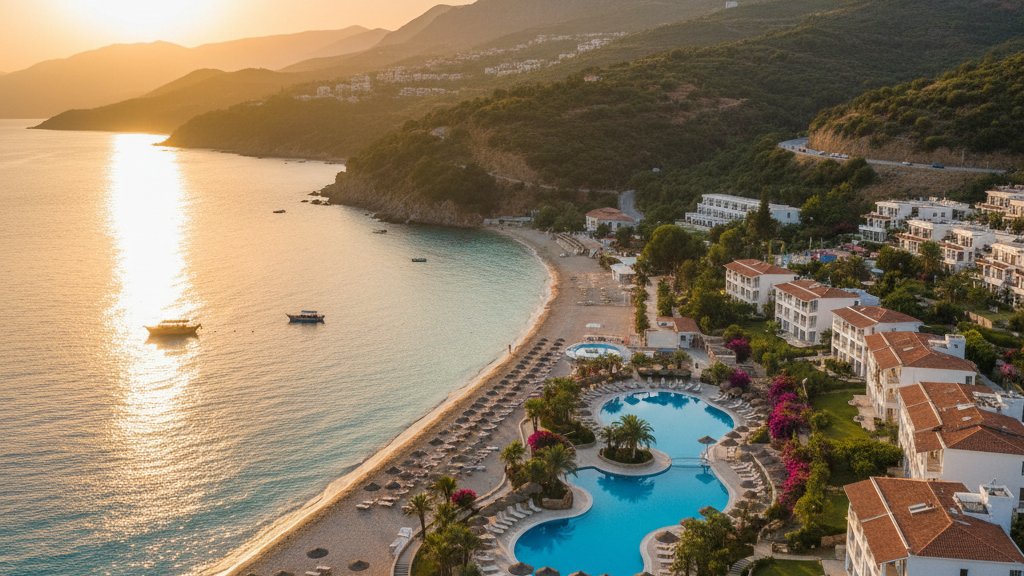
Luxury Beach Resorts on the Albanian Riviera

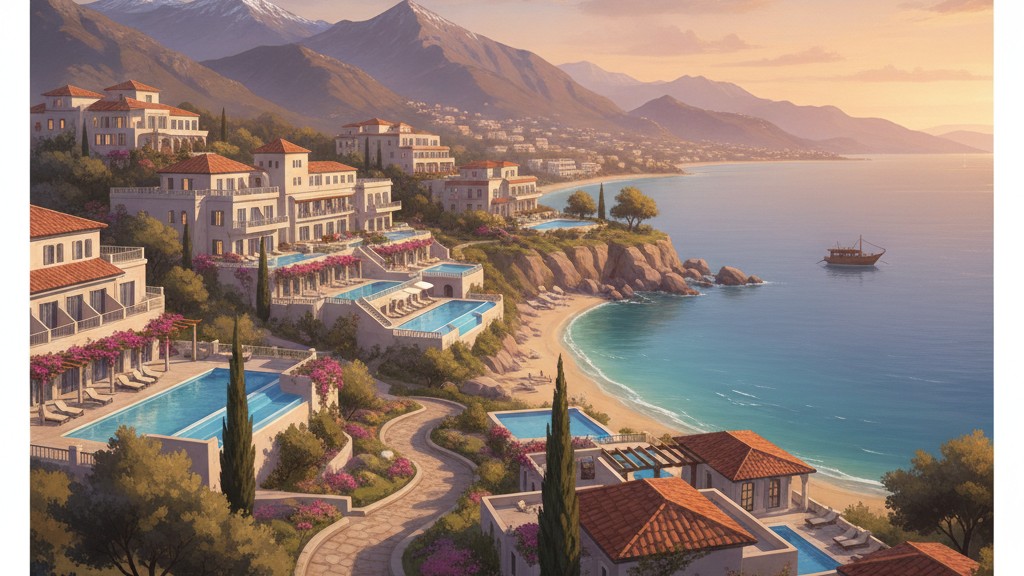
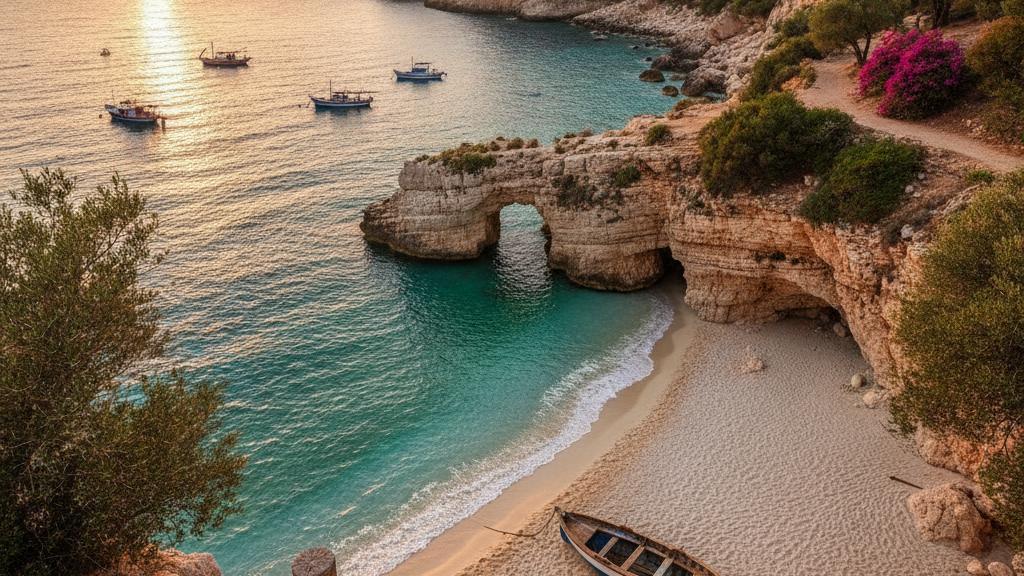
The Albanian Riviera unfurls like a forgotten Mediterranean dream, stretching over 450 kilometers of dramatic coastline where the Ceraunian Mountains plunge directly into crystalline waters. Having explored this coast extensively over multiple visits, I can confidently say it rivals anything I’ve experienced in Sardinia or the Greek Isles—yet remains refreshingly uncrowded and remarkably affordable.

Saranda and Ksamil: Where Luxury Meets the “Albanian Maldives”

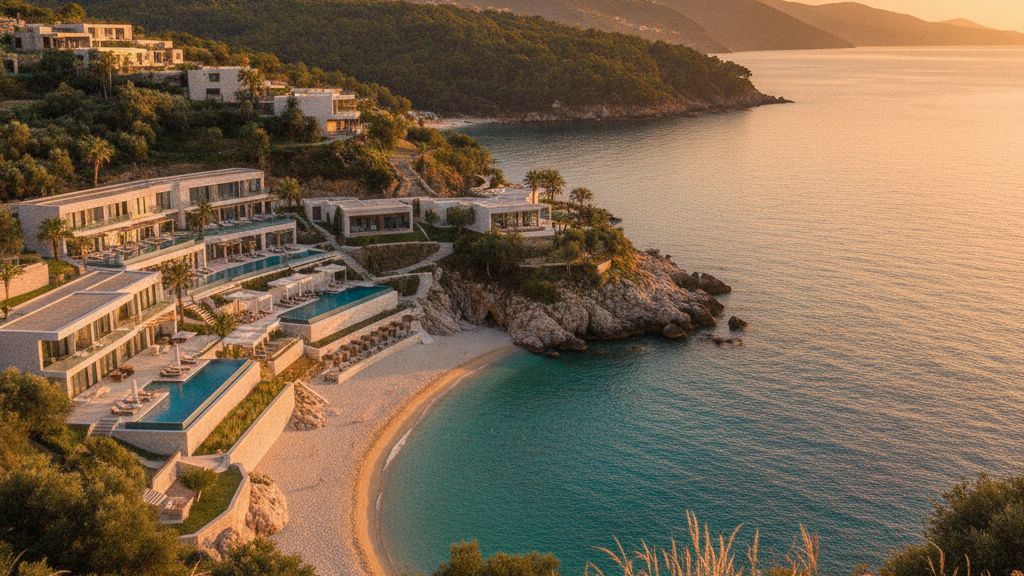
The southern stretch of the Albanian Riviera, particularly around Saranda and the nearby Ksamil islands, represents the country’s most developed luxury hotel corridor. The comparison to the Maldives isn’t mere marketing hyperbole—the small islands dotting the bay, connected by shallow turquoise channels, create an almost tropical atmosphere that feels impossibly exotic for the Mediterranean.

My stay at Santa Quaranta Premium Resort revealed the sophisticated direction Albanian hospitality is taking. The property seamlessly blends contemporary design with traditional Albanian elements, featuring spacious suites with floor-to-ceiling windows that frame panoramic sea views. The infinity pool appears to merge with the Ionian horizon, while the spa incorporates local olive oil and sea salt treatments that reflect the region’s natural bounty. Request a suite on the fourth floor or higher—the elevation provides stunning sunset views over Corfu, visible just across the narrow strait.

The Boutique Hotel Poda in Ksamil offers a more intimate luxury experience. This family-owned property occupies a privileged position directly overlooking the famous Ksamil beaches, with their powder-soft sand and impossibly clear water. The hotel’s restaurant sources ingredients from the family’s own olive groves and vineyards, creating an authentic farm-to-table experience that showcases Albanian cuisine’s Mediterranean sophistication.

Comparison of Top Saranda/Ksamil Properties:

  • Santa Quaranta Premium Resort: 5-star, €180-280/night, best for couples, infinity pool and spa
  • Boutique Hotel Poda: 4-star boutique, €120-180/night, best for authentic experience, private beach access
  • Brilant Hotel: 4-star, €100-150/night, best for families, large pool area and family rooms
  • Hotel Butrinti: 3-star heritage, €80-120/night, best for culture lovers, walking distance to Butrint ruins

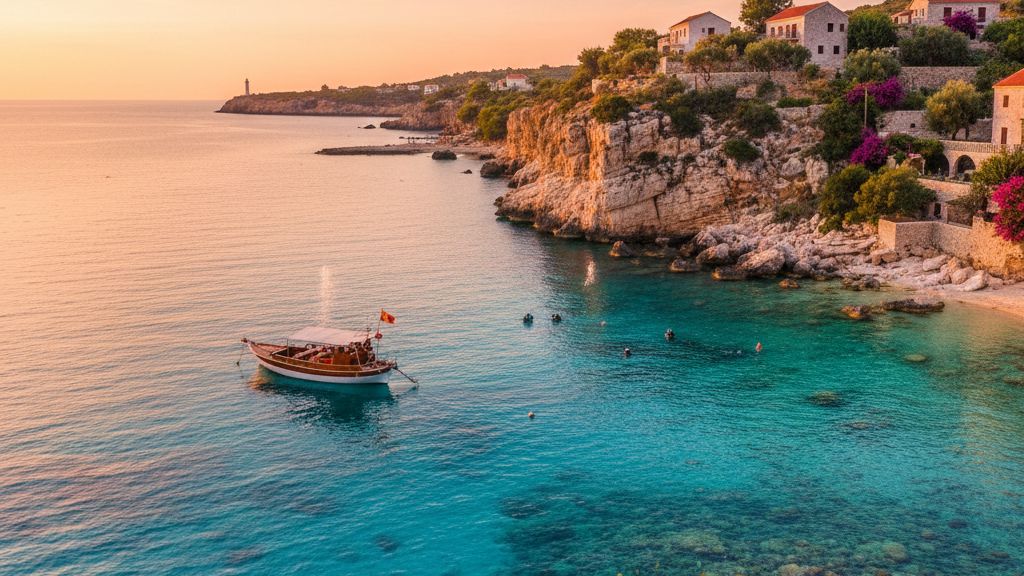
Each property offers distinct advantages, but all benefit from Ksamil’s unique geography—you can island-hop by swimming or rent a small boat to explore secluded coves that remain virtually untouched by development.

Dhermi and Vlore: Exclusive Coastal Hideaways

The northern Albanian Riviera presents a more dramatic landscape where the Ceraunian Mountains create a spectacular backdrop to exclusive beach resorts. This stretch feels more rugged and wild than the developed south, attracting travelers seeking luxury with an edge of adventure.

Dhermi and Vlore: Exclusive Coastal Hideaways

Elite Hotel Dhermi occupies one of the most enviable positions on the entire Albanian coast. Built into a hillside overlooking Dhermi Bay, every room features a private balcony with sweeping sea views. The property’s design incorporates local stone and traditional architectural elements while maintaining contemporary luxury standards. The hotel’s beach club, accessible via a private path carved into the cliff, offers cabana service and watersports equipment. I particularly appreciated the evening cocktail service on the main terrace—watching the sun set behind the mountains while cruise ships glide silently toward Corfu creates an almost cinematic experience.

Yacht Hotel Vlore represents the pinnacle of Albanian coastal luxury. This nautical-themed property features suites designed like yacht cabins, complete with porthole windows and maritime décor, while maintaining spacious layouts and high-end amenities. The hotel’s private marina allows guests to arrive by boat, while the rooftop restaurant serves some of the finest seafood I’ve experienced in the Balkans. The property’s sommelier has assembled an impressive collection of Albanian wines that pair beautifully with the kitchen’s innovative takes on traditional recipes.

Top 5 Reasons to Choose Dhermi Over More Famous Mediterranean Destinations:

  1. Exclusive Access: Private beaches and coves accessible only to hotel guests
  2. Value Proposition: Luxury experiences at 50% of comparable French or Italian Riviera prices
  3. Authentic Culture: Genuine local interactions without tourist-trap commercialization
  4. Natural Drama: Mountain-meets-sea landscape creates stunning photographic opportunities
  5. Uncrowded Luxury: High-end amenities without Mediterranean summer crowds

The northern Riviera’s hotels also serve as excellent bases for exploring Albania’s interior. Day trips to traditional mountain villages like Qeparo or cultural excursions to Gjirokaster become effortless when staying at these well-positioned coastal properties.

Historic Gems: Albania’s Most Charming Heritage Hotels

Albania’s UNESCO World Heritage cities offer accommodations that transcend typical hotel experiences, providing genuine cultural immersion within centuries-old walls. These heritage properties represent some of my most memorable stays—places where Ottoman-era architecture meets contemporary comfort, creating atmospheric retreats that connect travelers to Albania’s rich historical tapestry in ways modern hotels simply cannot match.

Gjirokaster: Staying in the “City of Stone”

Gjirokaster’s steep cobblestone streets and distinctive stone architecture create a medieval atmosphere that feels frozen in time. The city’s traditional houses, built from local grey limestone, cascade down the mountainside like an amphitheater, earning it the poetic nickname “City of Stone.”

Hotel Kodra occupies a meticulously restored 18th-century mansion in the heart of the old town. Waking up in this property feels like stepping into a historical novel—exposed stone walls, hand-carved wooden ceilings, and traditional Turkish-style windows frame views of the valley below. The family owners have maintained original architectural elements while incorporating modern amenities like heated floors and contemporary bathrooms. Their evening storytelling sessions about the building’s history, shared over traditional raki and homemade preserves, provide cultural insights impossible to find in guidebooks.

Kerculla Resort, situated just outside the city center, offers a more luxurious interpretation of traditional Albanian hospitality. This property combines heritage architecture with resort amenities, featuring a spa that incorporates traditional Albanian wellness practices and a restaurant that elevates regional cuisine to fine-dining standards. The resort’s elevated position provides commanding views over the Drino Valley, particularly stunning at sunrise when morning mist clings to the surrounding mountains.

Gjirokaster Heritage Hotel Comparison:

PropertyHistoric FeaturesModern AmenitiesPrice RangeBest For
Hotel Kodra18th-century mansion, original stoneworkHeated floors, modern baths€60-90/nightAuthentic experience
Kerculla ResortTraditional architecture, valley viewsFull spa, fine dining€120-180/nightLuxury heritage
Gjirokastra HotelOttoman-era building, period furnishingsWi-Fi, AC, room service€80-120/nightComfortable history

Staying in Gjirokaster’s historic quarter requires some practical considerations—the steep cobblestone streets can be challenging with luggage, and the stone buildings naturally run cooler than modern constructions. However, these minor inconveniences pale compared to the magical experience of sleeping within walls that have witnessed centuries of Albanian history.

Berat: Luxury in the “City of a Thousand Windows”

Berat’s distinctive white Ottoman houses, stacked dramatically along both sides of the Osum River, create one of Europe’s most photogenic cityscapes. The famous “thousand windows” that give the city its nickname catch and reflect light throughout the day, creating an ever-changing tapestry of architectural beauty.

Hotel Onufri, named after Albania’s most famous icon painter, occupies a prime position within the UNESCO-protected Mangalem quarter. This boutique property seamlessly blends preservation with luxury—original frescoes adorn the lobby walls, while guest rooms feature contemporary furnishings that complement rather than compete with the historic architecture. My corner room overlooked the castle and provided perfect morning light for photographing the city’s famous white facades. The hotel’s terrace restaurant serves exceptional local specialties, with dishes like slow-cooked lamb with mountain herbs showcasing Albanian cuisine’s Ottoman influences.

Villa Pascucci represents intimate luxury within Berat’s historic core. This converted family mansion features just eight suites, each uniquely decorated with period antiques and handwoven textiles. The property’s walled garden provides a peaceful retreat from the city’s narrow streets, while the family’s wine cellar offers tastings of rare Albanian varietals. The owners’ knowledge of local history and culture transforms evening conversations into impromptu cultural education sessions.

Must-Know Tips for Enjoying a Stay in Historic Berat:

  • Book upper-floor rooms for the best “thousand windows” views
  • Request dinner reservations at hotel restaurants—they often feature the best regional cuisine
  • Explore early morning when golden light illuminates the white buildings
  • Carry minimal luggage—historic quarter streets are narrow and steep
  • Take advantage of guided castle tours arranged through heritage hotels

Both cities offer accommodations that serve as cultural immersion experiences rather than simple places to sleep. These heritage properties provide authentic connections to Albanian history while maintaining comfort standards that satisfy modern luxury expectations.

Tirana’s Best Urban Hotels: Luxury in Albania’s Capital

Albania’s capital presents a fascinating study in contrasts—socialist-era architecture stands alongside contemporary developments, while traditional bazaars neighbor trendy galleries and restaurants. The city’s hotel scene reflects this dynamic character, offering everything from international luxury chains to boutique properties that celebrate Albanian design heritage.

Plaza Tirana occupies the city center’s most prestigious address, directly overlooking Skanderbeg Square and within walking distance of major cultural attractions. This five-star property embodies contemporary Albanian luxury, featuring sleek interiors that incorporate local materials like Albanian marble and handcrafted metalwork. The penthouse suites offer panoramic views of the Dajti Mountains, while the ground-floor restaurant has become a gathering place for Tirana’s cultural elite. During my stays, I’ve appreciated the hotel’s cultural concierge service—staff members who arrange private museum tours and connections with local artists that provide insider access to Tirana’s rapidly evolving creative scene.

Mareena Hotel represents boutique luxury with a distinctly Albanian character. Located in the trendy Blloku district, this property occupies the former villa of a communist-era official, now transformed into an intimate luxury hotel. Each room features unique artwork by contemporary Albanian artists, while the rooftop bar provides stunning sunset views over the city. The hotel’s position in Blloku places guests in the heart of Tirana’s nightlife and dining scene—I’ve discovered some of my favorite Albanian restaurants within a two-block radius.

The Sheraton Tirana Hotel brings international standards to Albania’s capital, offering familiar luxury for business travelers while incorporating local design elements. The property’s spa features treatments using Albanian herbs and minerals, while the executive lounge provides excellent city views and efficient business services. For travelers seeking reliability and comprehensive amenities, this property delivers consistent five-star experiences.

Marriott Hotel Tirana completes the city’s luxury quartet, featuring modern accommodations with direct access to the TEG shopping center. This property particularly appeals to travelers who appreciate seamless connectivity between hotel, shopping, and dining experiences. The rooftop fitness center and pool provide city views while maintaining resort-like amenities.

My Top Hotel Picks for Different Types of Travelers in Tirana:

  • Business Travelers: Sheraton Tirana Hotel – reliable international standards, comprehensive business center
  • Culture Enthusiasts: Plaza Tirana – cultural concierge, central location near museums and galleries
  • Boutique Luxury Seekers: Mareena Hotel – unique design, trendy Blloku location
  • Shopping/Entertainment: Marriott Hotel Tirana – integrated shopping center access, modern amenities

Tirana’s compact city center makes location less critical than in larger capitals—most luxury hotels provide easy access to major attractions, while the developing public transportation system and abundant taxis ensure convenient movement throughout the metropolitan area.

Family-Friendly Accommodations in Albania

Albania’s appeal extends far beyond couples seeking romantic getaways or solo cultural explorers. The country offers exceptional family vacation experiences, with accommodations that cater specifically to travelers with children while maintaining the luxury standards discerning parents expect.

My own family travels in Albania have revealed properties that excel at balancing adult sophistication with child-friendly amenities. Sheraton Tirana Hotel leads in urban family accommodation, featuring connecting rooms, a dedicated children’s pool area, and a kids’ club with supervised activities. The hotel’s location provides easy access to Tirana’s family attractions, including the excellent Zoo Park and the Dajti Express cable car that transports families to mountain hiking trails and adventure parks.

Coastal family resorts have evolved significantly over my recent visits. Santa Quaranta Premium Resort in Saranda now features a comprehensive children’s program, including supervised beach activities, cultural workshops where kids learn traditional Albanian crafts, and evening entertainment designed for all ages. The resort’s shallow lagoon areas provide safe swimming for young children, while the kids’ club allows parents to enjoy spa treatments or romantic dinners.

Maritim Hotel Plaza Tirana deserves special mention for its innovative approach to family luxury. The property’s family suites include separate children’s sleeping areas with bunk beds and entertainment systems, while parents enjoy sophisticated bedroom and living spaces. The hotel’s partnership with local cultural institutions provides educational excursions that engage children with Albanian history and traditions.

Family-Friendly Hotel Comparison:

PropertyLocationBest Family AmenitiesNearby Family AttractionsPrice Range
Sheraton TiranaTirana CenterKids’ club, connecting rooms, children’s poolZoo Park, Dajti Express, National Museums€120-180/night
Santa Quaranta ResortSaranda CoastSupervised beach activities, cultural workshopsKsamil islands, Butrint ruins, boat excursions€150-220/night
Maritim PlazaTirana CenterFamily suites, educational programsParks, cable car, adventure activities€100-150/night
Hotel DajtiMountain LocationNature activities, hiking guidesMountain trails, traditional villages€80-120/night

Albanian family hotels increasingly recognize that luxury family travel requires different considerations than adult-only luxury. Properties now feature adjoining rooms as standard, restaurants with sophisticated children’s menus, and activity programs that introduce young travelers to Albanian culture in age-appropriate ways.

Hidden Gems: Mountain Retreats and Rural Escapes

Albania’s interior regions harbor some of the country’s most exceptional accommodations—properties that offer profound cultural immersion and natural beauty far from the coastal crowds. These hidden gems represent Albania at its most authentic, providing luxury experiences rooted in local traditions and spectacular natural settings.

Mrizi i Zanave in Fishte stands as Albania’s most celebrated agritourism destination, though calling it merely a restaurant with rooms undersells its cultural significance. This property operates as a working organic farm, traditional cooking school, and luxury retreat simultaneously. Guests participate in daily farm activities, from olive harvesting to cheese making, while enjoying accommodations that rival boutique hotels. The property’s farm-to-table restaurant has gained international recognition for preserving and elevating traditional Albanian mountain cuisine. My own experiences here included learning to prepare traditional fli (layered pancake) and participating in the evening milking routine—activities that provided deeper cultural understanding than any museum visit.

Life Gallery Hotel & Spa in Korçë represents mountain luxury at its finest. This property occupies a restored Ottoman-era mansion surrounded by the Morava Mountains, offering spa treatments that incorporate local herbs and minerals. The hotel’s art gallery features rotating exhibitions of Albanian artists, while the restaurant showcases the refined cuisine of the Korçë region, known for its distinctive beer brewing traditions and mountain delicacies. Evening cultural programs might include traditional music performances or storytelling sessions about local folklore.

The Albanian Alps region, centered around Theth and Valbona National Parks, offers mountain lodges that combine adventure access with surprising comfort. Properties like Rilindja Hotel in Theth provide heated rooms with mountain views, while serving as base camps for some of Europe’s most spectacular hiking. These lodges typically offer guided excursions to traditional villages where time seems suspended—places where shepherds still practice transhumance and ancient customary laws persist alongside modern Albanian society.

5 Reasons to Venture Beyond Albania’s Coast for Your Hotel Stay:

  1. Authentic Cultural Immersion: Direct interaction with traditional Albanian lifestyles and customs
  2. Exceptional Value: Mountain and rural properties offer luxury amenities at incredible prices
  3. Natural Spectacle: Access to pristine national parks and dramatic mountain landscapes
  4. Culinary Discovery: Traditional regional cuisines unavailable in coastal tourist areas
  5. Sustainable Tourism: Support for rural communities and traditional ways of life

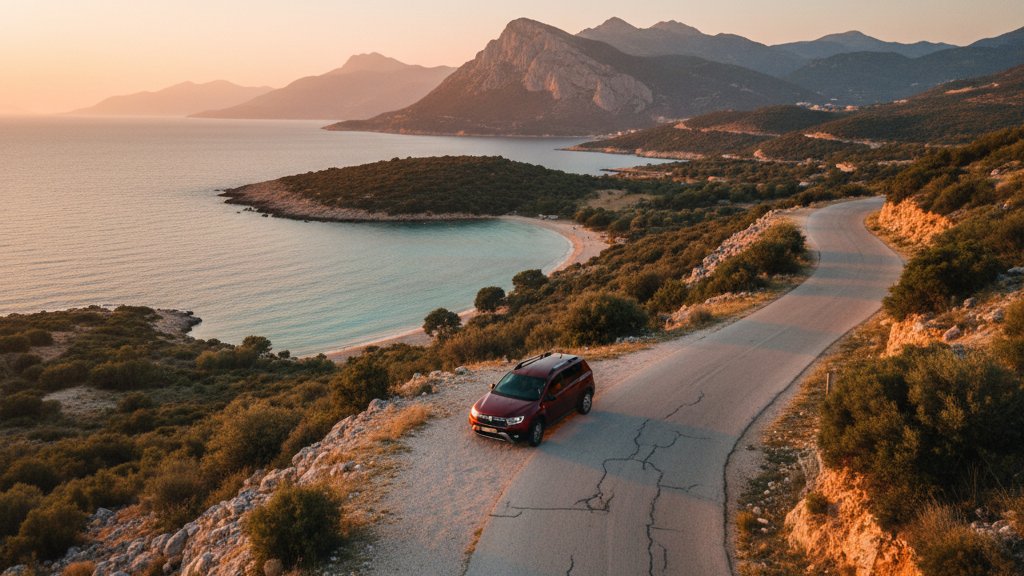
These interior properties require more planning than coastal resorts—road conditions can be challenging, and amenities may be more limited. However, they offer experiences impossible to find elsewhere in Europe: sleeping in centuries-old stone houses, participating in traditional farming activities, and accessing wilderness areas that remain genuinely untouched by mass tourism.

Practical Tips for Booking Albania’s Best Hotels

Navigating Albania’s hotel market requires different strategies than booking in more established tourist destinations. My extensive experience has revealed specific approaches that ensure the best rates, optimal experiences, and smooth reservations in this emerging luxury market.

Timing represents the most critical booking factor. Albania’s coastal season runs from June through August, with July commanding premium rates that can double low-season prices. However, my preferred booking window occurs in late spring (May) and early autumn (September), when weather remains excellent while rates drop significantly. I’ve observed price differences of 40-50% between peak July rates and shoulder season pricing for identical accommodations.

Direct booking often yields superior value and service in Albania’s boutique hotel market. Many properties, particularly heritage hotels and family-owned resorts, offer perks for direct reservations that aren’t available through booking platforms. These might include complimentary airport transfers, room upgrades, or dining credits. I’ve consistently received better service when hotels recognize me as a direct booking guest rather than a commission-paying platform customer.

Currency considerations affect overall costs significantly. While most Albanian hotels quote prices in euros, paying in local lek can provide savings of 5-10%. Many properties accept major credit cards, but smaller boutique hotels may prefer cash payments. I typically withdraw lek from ATMs upon arrival rather than exchanging currency in advance.

Communication preferences vary by property type. International chain hotels respond efficiently to email inquiries, while boutique and heritage properties often prefer WhatsApp or phone communication. Albanian hospitality culture values personal relationships, so establishing direct contact with hotel management can lead to enhanced experiences and insider recommendations.

Essential Checklist Before Booking an Albanian Hotel:

  • Verify exact location—some “city center” properties may be in suburbs
  • Confirm air conditioning availability, especially for summer coastal stays
  • Check Wi-Fi reliability for business travelers
  • Understand cancellation policies—some properties have strict terms
  • Request specific room preferences directly with hotel management
  • Verify transportation options from airports or train stations
  • Confirm availability of desired dining options and spa services

Price Comparison: Peak vs. Off-Peak at Albania’s Top Hotels:

Property CategoryPeak Season (July-August)Off-Peak Season (May, September)Savings Percentage
Luxury Coastal Resorts€200-350/night€120-220/night35-40%
Heritage Boutique Hotels€150-250/night€90-160/night40-45%
Tirana Luxury Hotels€120-200/night€80-140/night30-35%
Mountain Retreats€80-150/night€60-110/night25-30%

Advanced booking provides several advantages beyond potential savings. Albanian hotels, particularly smaller properties, may have limited inventory during peak seasons. Booking 2-3 months in advance ensures availability while often securing early-bird discounts of 10-15%.

Comparing Albanian Luxury to Neighboring Countries

Albania’s luxury hotel market provides exceptional value when compared to similar accommodations in established Mediterranean destinations. My comparative research across the Balkans and broader Mediterranean reveals consistent savings of 40-60% for equivalent luxury experiences.

Greece comparison: A luxury seaside resort in Saranda offering private beach access, spa services, and fine dining costs approximately €200-250 per night during peak season. Comparable properties in Mykonos or Santorini command €400-600 nightly rates, while offering similar amenities and service levels. Albanian properties often feature newer facilities and less crowded environments.

Croatia comparison: Boutique heritage hotels in Albania’s UNESCO cities typically charge €100-150 per night for restored historic properties with authentic architectural details and cultural programming. Similar accommodations in Dubrovnik or Split range from €250-400 nightly, while dealing with significantly larger tourist crowds and more commercialized experiences.

Montenegro comparison: Albania’s mountain retreats and rural luxury properties offer experiences comparable to Montenegro’s acclaimed eco-lodges at roughly half the cost. Albanian properties like Mrizi i Zanave provide farm-to-table dining, cultural immersion, and luxury accommodations for €80-120 per night, while similar Montenegrin properties typically charge €180-250.

Value Comparison: Albanian Luxury vs. Regional Competitors:

DestinationProperty TypeAlbania PriceRegional CompetitorCompetitor PriceValue Advantage
Coastal ResortLuxury beachfront€200-250/nightGreek Islands€400-600/night50-60% savings
Heritage HotelUNESCO city boutique€100-150/nightDubrovnik€250-400/night60-70% savings
Mountain RetreatRural luxury lodge€80-120/nightMontenegro€180-250/night55-65% savings
Urban LuxuryCapital city 5-star€120-180/nightZagreb/Ljubljana€200-300/night40-50% savings

These savings don’t require sacrificing quality or service. Albanian luxury properties often feature newer facilities, less crowded environments, and more personalized service than their established competitors. The country’s late entry into luxury tourism means many properties were built or renovated recently, incorporating contemporary design and amenities.

Internet Connectivity and Communication in Albanian Hotels

Albania’s digital infrastructure has improved dramatically over recent years, though connectivity quality varies significantly between urban centers, coastal resorts, and rural mountain properties. Understanding these variations helps set appropriate expectations and plan accordingly for business or communication needs.

Urban hotel connectivity in Tirana and major cities generally matches Western European standards. Properties like Plaza Tirana and Marriott Hotel offer fiber-optic internet with speeds sufficient for video conferencing and large file uploads. Most city hotels provide complimentary Wi-Fi throughout all areas, including restaurants and spa facilities.

Coastal resort connectivity presents more variable experiences. Newer luxury properties like Santa Quaranta Premium Resort have invested in high-speed internet infrastructure, while older coastal hotels may offer slower, less reliable connections. During peak summer months, bandwidth can become constrained as occupancy increases. I typically download offline maps and entertainment content as backup for coastal stays.

Mountain and heritage property connectivity requires patience and backup planning. Historic hotels in Berat and Gjirokaster often struggle with Wi-Fi reliability due to thick stone walls and remote locations. However, most now offer satisfactory connections in common areas, even if room connectivity remains inconsistent.

Wi-Fi Quality by Region (Based on Personal Experience):

  • Tirana Urban Hotels: Excellent (90-95% reliability, fast speeds)
  • Coastal Luxury Resorts: Good (80-85% reliability, moderate speeds)
  • Heritage Properties: Fair (70-75% reliability, slower speeds)
  • Mountain Retreats: Variable (50-70% reliability, limited speeds)

My Top Tips for Staying Connected in Albanian Hotels:

  • Download offline content before traveling to remote areas
  • Consider purchasing a local SIM card for reliable mobile data backup
  • Test Wi-Fi speed upon check-in and request room changes if business needs require better connectivity
  • Use hotel lobbies and restaurants for important video calls in heritage properties
  • Inform hotels about specific connectivity needs when booking—some can arrange enhanced service

Albanian mobile networks provide excellent coverage in most tourist areas. Purchasing a prepaid SIM card from operators like Vodafone Albania or Telekom Albania costs approximately €10-15 and provides reliable data access throughout most of the country, serving as an excellent backup to hotel Wi-Fi.

Safety and Essential Information for Albanian Hotel Visitors

Albania has evolved into one of Europe’s safest travel destinations, with crime rates significantly lower than many established tourist countries. My extensive travels throughout Albania have consistently reinforced this reality—personal safety concerns rarely arise, while Albanian hospitality culture emphasizes guest welfare and assistance.

Personal safety experiences across Albanian hotels have been uniformly positive. Hotel security measures range from simple key card access in urban properties to more comprehensive systems at luxury coastal resorts. Staff training emphasizes guest assistance, and I’ve frequently received help with everything from navigation to restaurant recommendations. The legendary Albanian concept of besa (keeping one’s word/honor) extends to hospitality, creating a culture where guest welfare is considered a sacred responsibility.

Regional safety variations exist primarily between urban centers and remote mountain areas. City hotels in Tirana operate with standard European security protocols, while rural mountain lodges rely more on community-based safety networks. However, Albania’s strong cultural tradition of protecting guests means travelers often feel safer in remote villages than in major European cities. I’ve never experienced or heard of significant safety incidents at Albanian accommodations.

Hotel security standards have improved alongside the luxury market’s development. Most upscale properties now feature 24-hour reception, secure parking, and safety deposit boxes. Coastal resorts typically employ beach security during summer months, while heritage hotels often have historical building security considerations like emergency exits and fire safety systems adapted for centuries-old structures.

Emergency Contacts:

  • Police: 129
  • Medical Emergency: 127
  • Fire Department: 128
  • General Emergency: 112
  • Tourist Police: +355 4 2234750

My Personal Safety Recommendations:

  • Inform hotel staff about daily plans when staying in remote mountain areas
  • Use hotel safes for passports and valuable items
  • Carry hotel contact cards with Albanian phone numbers for taxi drivers
  • Learn basic Albanian phrases for emergencies (“Ndihmë” = Help, “Mjek” = Doctor)
  • Keep emergency contacts programmed in mobile phones with local country codes
  • Trust Albanian hospitality culture—hotel staff genuinely want to help ensure positive experiences

Albanian healthcare system adequacy varies by region, with Tirana offering excellent private medical facilities while rural areas may have limited services. Most luxury hotels maintain relationships with English-speaking medical professionals and can arrange consultations if needed. Travel insurance remains advisable, though medical costs in Albania are significantly lower than Western European standards.

FAQ

Is Albania safe for tourists staying in hotels? Albania is among Europe’s safest countries for tourists. Crime rates are extremely low, and Albanian culture places enormous emphasis on guest protection and hospitality. I’ve stayed at dozens of Albanian hotels without experiencing any safety concerns. Hotel staff are typically very helpful and will go out of their way to ensure guest security and comfort.

Do Albanian hotels accept credit cards? Most Albanian hotels accept major credit cards (Visa, Mastercard), particularly in urban areas and luxury coastal resorts. However, smaller boutique hotels and mountain retreats may prefer cash payments in euros or Albanian lek. I recommend carrying some cash as backup, especially when staying at heritage properties or rural accommodations.

What’s the best time to book hotels in Albania? For coastal stays, book 2-3 months in advance for summer travel (June-August). Spring (May) and early autumn (September) offer the best value with 30-40% lower rates than peak season. Urban hotels in Tirana maintain more consistent year-round pricing, while mountain retreats offer best rates during shoulder seasons.

Do I need to speak Albanian to stay at Albanian hotels? English proficiency varies by property type and location. Luxury hotels and international chains typically have excellent English-speaking staff. Heritage hotels and rural properties may have more limited English, but Albanian hospitality culture ensures staff will find ways to communicate and help guests. Learning a few basic Albanian phrases is appreciated but not necessary.

Are Albanian hotel prices really lower than neighboring countries? Yes, significantly. Albanian luxury hotels typically cost 40-60% less than comparable properties in Greece, Croatia, or Montenegro. A luxury coastal resort in Albania charging €200-250/night would cost €400-600 in Mykonos or Dubrovnik. This value gap makes Albania exceptional for luxury travel on moderate budgets.

What should I expect for Wi-Fi quality in Albanian hotels? Urban luxury hotels offer excellent Wi-Fi comparable to Western European standards. Coastal resorts generally provide good connectivity, though speeds may slow during peak occupancy. Heritage hotels in historic cities may have more variable connections due to thick stone walls. Mountain retreats often have limited connectivity, so download offline content beforehand.

Do Albanian hotels offer airport transfers? Many Albanian hotels, particularly luxury properties, offer complimentary or paid airport transfers. This service is especially valuable given limited public transportation options from some airports. I recommend arranging transfers directly with hotels rather than relying on taxis, especially for late arrivals or early departures.

Are Albanian hotels suitable for families with children? Absolutely. Albanian culture is very family-oriented, and hotels increasingly cater to family travelers. Many coastal resorts now feature kids’ clubs, family pools, and child-friendly dining options. Urban hotels often provide connecting rooms or family suites. Albanian staff typically go out of their way to accommodate families with children.

What’s the tipping culture at Albanian hotels? Tipping is appreciated but not obligatory in Albanian hotels. Standard practice includes €1-2 per bag for porters, €2-5 daily for housekeeping, and 10% for restaurant service if not already included. Tipping is more expected at luxury properties and less common at budget accommodations. Cash tips in euros or lek are preferred.

Can I drink tap water in Albanian hotels? Tap water quality varies by region. Urban hotels in Tirana generally have safe tap water, while coastal and mountain properties may provide bottled water. Most Albanian hotels offer complimentary bottled water daily. I typically use hotel-provided water for drinking while tap water is fine for brushing teeth and bathing.

Do Albanian hotels have air conditioning? Most modern Albanian hotels, particularly coastal resorts and urban properties, feature air conditioning. However, some heritage hotels in historic cities may have limited cooling due to building restrictions. Always confirm air conditioning availability when booking summer accommodations, especially for July and August travel.

Are there all-inclusive resorts in Albania? Albania’s hotel market focuses more on boutique experiences than all-inclusive resorts. While some coastal properties offer meal plans, the country’s dining culture emphasizes exploring local restaurants. I recommend staying at hotels with excellent restaurants while also experiencing Albania’s diverse culinary scene at local establishments.

What’s the currency situation at Albanian hotels? Most Albanian hotels quote prices in euros and accept euro payments. However, paying in Albanian lek can sometimes provide small savings. Credit cards are widely accepted at upscale properties. I recommend having small amounts of both currencies available, particularly for tips and incidental expenses.

Do I need special vaccinations for staying in Albanian hotels? No special vaccinations are required for Albania. Standard travel vaccinations (hepatitis A/B, typhoid) are recommended for all international travel but not specifically required. Albanian health standards at quality hotels meet European norms. Travel insurance is advisable but medical costs are significantly lower than Western European countries.

How do I handle language barriers at Albanian hotels? Albanian hospitality culture emphasizes finding ways to communicate and help guests regardless of language barriers. Hotel staff often speak multiple languages, and younger employees typically have good English skills. Google Translate works well for Albanian, and most hotels can arrange translation help if needed for complex requests.

Are there boutique hotels in Albania’s historic cities? Yes, Albania offers exceptional boutique hotels in UNESCO cities like Berat and Gjirokaster. These properties occupy restored Ottoman-era buildings and offer authentic cultural experiences alongside modern amenities. I particularly recommend heritage hotels that provide cultural programming and locally-sourced dining experiences.

What should I pack for staying at Albanian hotels? Pack according to season and region. Summer coastal stays require light clothing, swimwear, and sun protection. Heritage hotels in mountain cities can be cooler, requiring layers. Comfortable walking shoes are essential for historic city hotels with cobblestone streets. Most Albanian hotels provide standard amenities, but bringing personal preferences for toiletries is advisable.

Can Albanian hotels arrange cultural excursions and activities? Yes, Albanian hotels increasingly offer cultural programming and excursion arrangements. Luxury properties often have cultural concierges who can arrange private museum tours, traditional craft workshops, or visits to local families. Heritage hotels frequently organize cultural evenings with traditional music and storytelling. Mountain retreats typically offer guided hiking and village visits that provide authentic cultural immersion.

What’s the dining situation at Albanian hotels? Albanian hotel dining has evolved dramatically, with many properties now featuring restaurants that rival standalone establishments. Luxury coastal resorts often have multiple dining venues, while heritage hotels typically showcase regional specialties. However, Albania’s diverse culinary scene makes exploring local restaurants equally rewarding. Most hotels can recommend and arrange reservations at nearby establishments.

Are there spa facilities at Albanian hotels? Many Albanian luxury hotels now feature comprehensive spa facilities that incorporate local ingredients like olive oil, sea salt, and mountain herbs. Coastal resorts typically offer full-service spas with massage treatments and wellness programs. Urban luxury hotels often have spa facilities, while some heritage properties offer traditional wellness treatments adapted for modern comfort.

How do I get around from Albanian hotels to attractions? Transportation options vary by location. Urban hotels typically offer easy access to taxis and emerging public transportation. Coastal resort hotels often provide shuttle services to nearby attractions or can arrange car rentals. Heritage hotels in historic cities are usually within walking distance of major sites. Many hotels can arrange private drivers for day trips or transfers.

What’s the business travel situation at Albanian hotels? Albanian hotels increasingly cater to business travelers, particularly in Tirana. Luxury urban properties offer business centers, meeting rooms, and high-speed internet suitable for conferences and presentations. Many hotels provide executive lounge access and can arrange translation services. Albania’s growing business tourism market has driven improvements in business-friendly amenities.

Are there eco-friendly hotel options in Albania? Albania offers increasing numbers of eco-friendly accommodations, particularly mountain retreats and agritourism properties. These focus on sustainable practices, local sourcing, and minimal environmental impact. Properties like organic farms and rural lodges provide authentic eco-tourism experiences while supporting local communities and traditional practices.

What payment methods work best at Albanian hotels? Cash (euros or Albanian lek) and major credit cards work at most Albanian hotels. Some boutique properties prefer cash payments and may offer small discounts for cash transactions. I recommend bringing a mix of payment methods, particularly when staying at smaller or rural properties where credit card processing may be limited.

Can I extend my stay at Albanian hotels if I fall in love with the place? Albanian hospitality culture welcomes extended stays, and many travelers find themselves wanting to prolong their visits. Most hotels can accommodate extensions based on availability, particularly during shoulder seasons. I’ve frequently extended stays at Albanian properties due to exceptional experiences and value. Discussing extension possibilities with hotel management often yields favorable rates for longer stays.


Albania’s hotel landscape represents one of Europe’s most exciting luxury travel opportunities—sophisticated accommodations at exceptional values, combined with authentic cultural experiences impossible to find in more developed tourist destinations. From restored Ottoman mansions overlooking ancient cobblestone streets to contemporary coastal resorts with pristine Mediterranean access, Albania delivers luxury travel experiences that rival established destinations at a fraction of the cost. The country’s rapid hospitality development, combined with its genuine cultural authenticity and spectacular natural beauty, positions Albania as the Mediterranean’s most compelling emerging luxury destination.

nv-author-image

Zhanna Vasilieva

I am an author of articles my name is Zhanna. I traveled by car all over the Balkan peninsula. But I like Albania the most. I write and tell about this beautiful country. I share my experience and chips.View Author posts

Leave a Reply

Your email address will not be published. Required fields are marked *

We use cookies, for agree push ok.
Ok