A Solo Traveler's Complete Guide to Albania
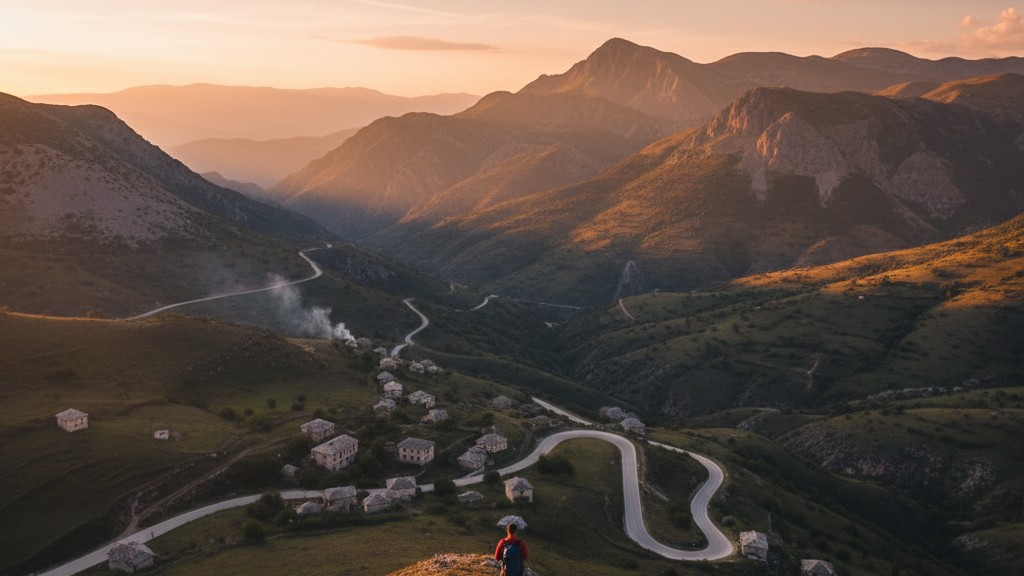
Albania presents a unique opportunity for solo travelers seeking an authentic Balkan experience without the crowds that fill neighboring Greece or Croatia. Over three visits between 2023 and 2026, I've found Albania to be remarkably safe, affordable, and welcoming for those traveling alone. The country's compact geography means you can reach mountain villages, coastal towns, and historic sites within a few hours' drive from Tirana International Airport Nene Tereza.
This guide draws on practical experience to help solo travelers navigate Albania's cultural landscape, transportation systems, and natural attractions while staying safe and connecting with locals. Whether you're planning a week exploring the Albanian Riviera or a month-long circuit through the northern highlands, these tips address the specific considerations that matter when traveling without companions.
Understanding Albanian Culture and Social Customs
Albanian society blends Mediterranean warmth with conservative Balkan traditions. The concept of "besa" - a traditional code of honor emphasizing hospitality and keeping one's word - still influences daily interactions. As a solo traveler, you'll benefit from this cultural trait, as locals often go out of their way to help visitors navigate unfamiliar situations.
When entering Albanian homes or certain guesthouses, removing your shoes is customary and expected. In rural areas and smaller towns like Gjirokaster or Kruje, modest dress helps you blend in and shows respect - women typically avoid shorts or sleeveless tops when visiting churches or mosques, while men should wear long trousers when entering religious sites. These aren't strict rules enforced by law, but following them smooths social interactions considerably.
Meal times function as social occasions rather than quick fuel stops. Lunch runs from 13:00 to 15:00, and dinner rarely begins before 20:00 in cities like Tirana or Durres. Many restaurants and shops close between 14:00 and 17:00, especially outside major tourist areas. Planning your day around these rhythms prevents frustration when you find doors locked during afternoon hours.
Coffee culture dominates Albanian social life - locals spend hours at cafes nursing a single macchiato. Solo travelers can use this to their advantage by settling into a busy cafe in Shkoder or Saranda with a book or laptop. You'll likely strike up conversations with curious locals practicing their English or offering unsolicited but usually helpful advice about your travel plans.
Learning Key Albanian Phrases for Independent Travel
Albanian belongs to its own branch of the Indo-European language family, making it unlike any neighboring language. Most Albanians under 40 speak functional English, especially in tourist zones along the coast and in Tirana, but learning basic phrases dramatically improves your experience when traveling solo to smaller towns or mountain regions.
Essential phrases include: "Mire dita" (good day), "Faleminderit" (thank you), "Sa kushton?" (how much does it cost?), "Ku eshte...?" (where is...?), and "Nuk kuptoj" (I don't understand). When asking for directions, "majtas" means left, "djathtas" means right, and "drejt" means straight ahead. These simple words help when navigating unmarked village roads or asking vendors about bus schedules.
Download an offline Albanian phrasebook or translation app before leaving Tirana, as mobile data becomes unreliable once you venture into the Albanian Alps or remote stretches of the southern coast between Himara and Lukova. Google Translate's camera function works well for reading menus and road signs when you lack mobile connectivity.
Numbers matter most when negotiating shared taxi fares or shopping at markets. Learning one through ten in Albanian prevents misunderstandings about prices, particularly when vendors quote amounts verbally rather than showing calculators. Many older Albanians outside tourist centers speak Italian rather than English due to Italian television broadcasts reaching Albania during the communist era, so basic Italian phrases serve as a useful backup.
Choosing Safe and Solo-Friendly Accommodation
Albania offers accommodation ranging from Soviet-era hotels to modern boutique guesthouses. For solo travelers, location matters more than luxury - choosing centrally located properties within walking distance of restaurants and transport hubs reduces reliance on taxis after dark and makes spontaneous exploration easier.
Hostels in Tirana, Berat, and Saranda cater specifically to solo travelers with common areas designed for socializing. Tirana Backpacker Hostel and Berat Backpackers consistently receive high marks for cleanliness, security (individual lockers, key card access), and organized group activities like walking tours or shared taxi trips to nearby attractions. These hostels typically charge EUR 10-15 per night for a dorm bed.
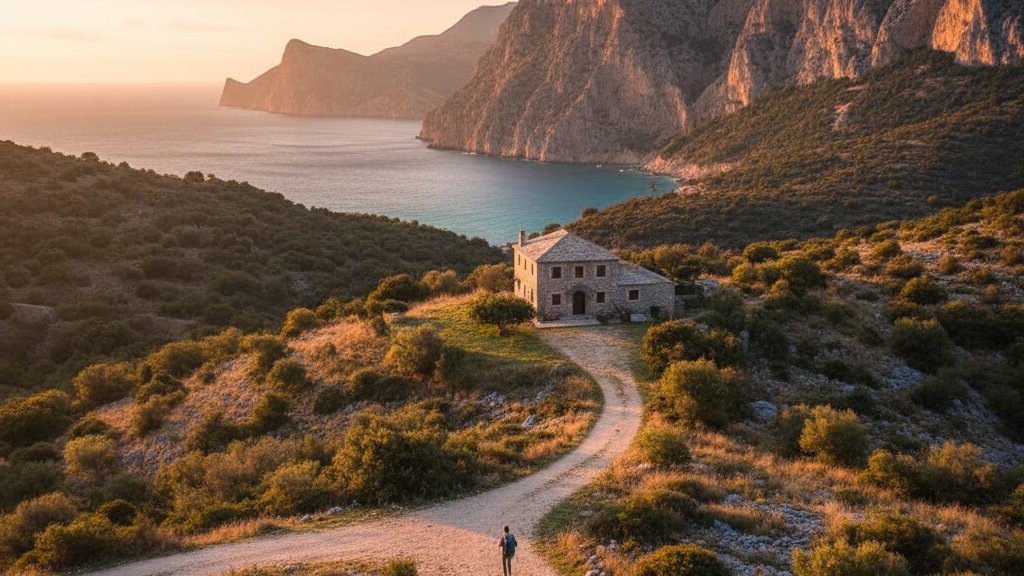
Guesthouses in smaller towns and mountain villages offer private rooms at similar prices while providing authentic cultural immersion. Family-run guesthouses in Theth, Valbona, or Himara include meals featuring home-cooked Albanian dishes, and hosts often arrange transportation or hiking guides. Read recent reviews carefully, as standards vary widely - look for mentions of hot water reliability, WiFi functionality, and the host's responsiveness to questions.
When booking accommodation as a solo traveler, communicate your arrival time clearly, especially if arriving after 20:00. Many smaller properties lack 24-hour reception, and hosts may need to meet you personally with keys. Request exact GPS coordinates or What3Words locations for rural properties, as street addresses prove unreliable once you leave main highways.
Planning to explore beyond public transport reach? Rent a compact car suitable for solo travel with full insurance coverage and unlimited mileage to reach remote guesthouses and mountain trails at your own pace.
Navigating Albania's Transport Network Independently
Albania's transportation infrastructure has improved dramatically since 2020, though it still requires flexibility and patience. Buses (called "furgon") connect major cities hourly during daytime, with minivans departing when full rather than following strict timetables. Solo travelers benefit from this system's frequency but must accept uncertainty about exact departure times.
Intercity buses depart from specific neighborhood locations rather than central stations - in Tirana, buses to Saranda leave from near the former train station, while Shkoder-bound buses depart from near the northern bazaar. Ask your accommodation host for precise pickup locations and arrive 30 minutes early to secure a seat. Fares remain remarkably low: Tirana to Saranda (284 km, 5-6 hours) costs around EUR 10.
Shared taxis offer faster travel between cities at roughly double the bus fare. These operate from the same informal departure points and wait for 4-5 passengers before leaving. Solo travelers may wait longer during off-season months, but drivers often call ahead to coordinate passengers traveling the same route. Confirm the per-person price before departing to avoid disputes upon arrival.
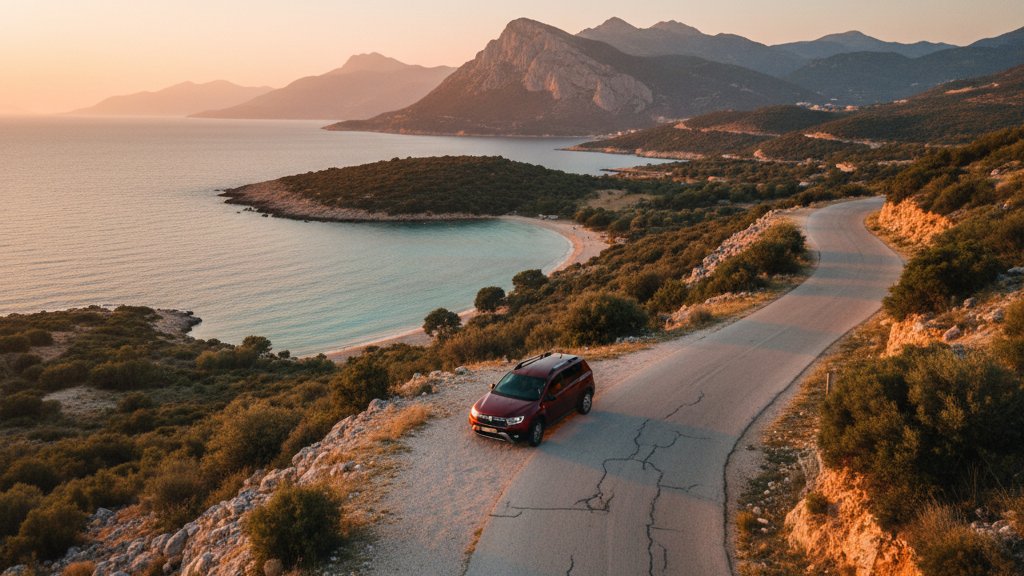
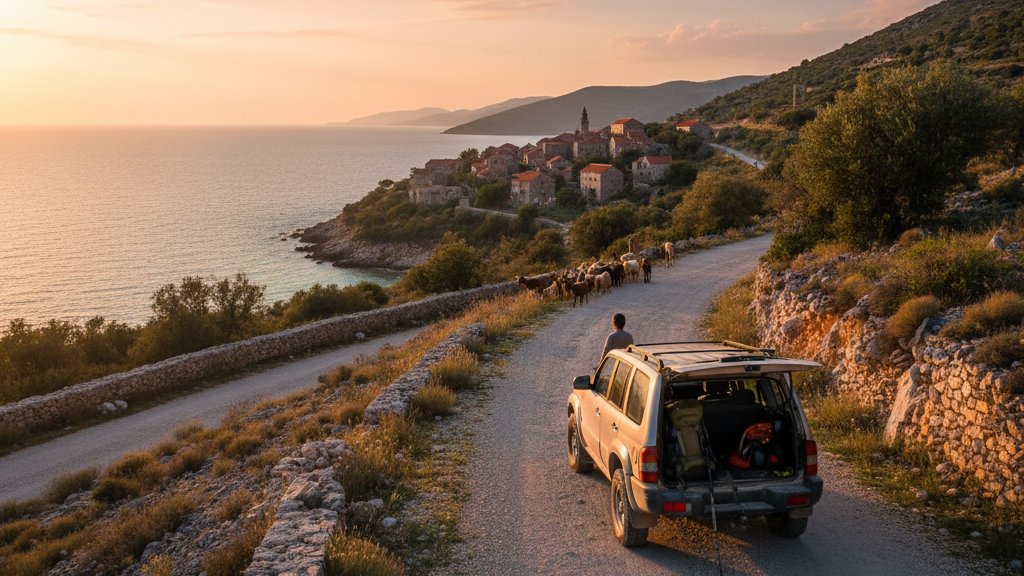
Renting a vehicle provides maximum flexibility for solo travelers wanting to explore the Llogara Pass, reach remote beaches near Gjipe, or drive the SH20 mountain road connecting Theth and Valbona. Rental companies at Tirana International Airport TIA offer compact cars from EUR 25 daily during summer 2026. Book vehicles with comprehensive insurance coverage, as narrow village roads and free-roaming livestock create collision risks.
Albanian driving culture favors aggressive overtaking and flexible interpretation of lane markings. The SH8 coastal highway from Vlora south to Saranda includes numerous hairpin turns with limited guardrails - solo drivers should avoid this route after dark. Main roads (SH1 connecting Tirana to Kosovo, A1 motorway to Durres) maintain European standards, while secondary routes may include unpaved sections requiring careful navigation.
Staying Safe While Traveling Alone in Albania
Albania ranks among Europe's safest countries for solo travelers, with violent crime rates well below Western European averages. The main risks facing solo visitors involve petty theft in crowded areas, road accidents, and occasional aggressive driving behavior rather than targeted attacks on tourists.
Pickpocketing occurs primarily in Tirana's central pedestrian zone near Skanderbeg Square and on crowded Durres beaches during July and August. Keep valuables in front pockets or a cross-body bag, and avoid displaying expensive cameras or jewelry in busy markets. Most thieves employ distraction techniques - someone asking for directions while an accomplice reaches for your bag - so remain aware when groups approach you in tourist areas.
Walking alone after 22:00 in residential neighborhoods of major cities generally poses no problems, though stick to well-lit main streets rather than cutting through dark parks or alleys. Women traveling solo report minimal harassment compared to other Mediterranean destinations, though some persistent attention from cafe waiters or men calling out "hello beautiful" occurs in tourist zones. Firm but polite rejection usually ends unwanted interactions.
Avoid unofficial taxis lacking company markings and meters - these sometimes charge inflated rates or take unnecessarily long routes to Tirana airport. Use Bolt (similar to Uber) in Tirana and Durres for transparent pricing, or ask your accommodation to call a trusted taxi company. Note the license plate and share it with someone before entering any taxi when traveling alone.
Mountain hiking without proper equipment causes the most serious incidents affecting solo travelers. Trails in the Albanian Alps around Theth and Valbona cross remote terrain where mobile signals disappear for hours. Carry paper maps, inform your guesthouse about your route and expected return time, and avoid hiking alone in bad weather. Local guides cost EUR 20-30 daily and significantly improve safety while providing cultural context.
Connecting With Locals and Fellow Travelers
Albanians exhibit genuine curiosity about foreign visitors, particularly in areas that saw few tourists before 2015. Solo travelers often find themselves invited for coffee or included in family meals, especially in smaller towns where tourism remains novel rather than routine.
Free walking tours operate daily in Tirana and Berat, providing structured opportunities to meet other solo travelers while learning local history. These tours typically run 2-3 hours and operate on a tips-only basis. Guides often organize optional group dinners or pub crawls afterward, making them ideal for solo travelers seeking social connections.
Language exchange events occur weekly at various Tirana cafes, where Albanians practicing English meet foreigners learning Albanian. These informal gatherings create natural conversation opportunities without the pressure of traditional travel meetups. Check Facebook groups like "Tirana Expats" or "Traveling Albania" for current schedules and locations.
Joining organized day trips from your accommodation allows you to explore sites like Butrint National Park or the Blue Eye Spring with a small group while returning to independent travel afterward. Many hostels coordinate shared taxis to popular destinations, splitting costs among 4-6 travelers and providing built-in companions for the day.
Solo travelers interested in hiking should visit the tourist information offices in Theth or Valbona to connect with others planning similar routes. These small offices maintain informal noticeboards where travelers post "looking for hiking partners" messages. Mountain guesthouses also facilitate introductions among solo guests heading in the same direction the next morning.
Experiencing Albanian Cuisine and Food Culture
Albanian food culture emphasizes fresh, seasonal ingredients and generous portions that challenge solo diners accustomed to individual-sized plates. Traditional restaurants serve family-style portions suitable for 2-3 people, making solo dining sometimes awkward - but this creates opportunities to share tables and meet locals or fellow travelers.
Essential dishes to try include byrek (savory pastry filled with cheese, spinach, or meat), fergese (peppers and tomatoes with cheese or liver), tave kosi (baked lamb with yogurt), and qofte (grilled meatballs with onion). Coastal restaurants in Himara and Saranda excel at fresh seafood - whole grilled fish, octopus salad, and mussels with white wine sauce reflect Mediterranean influences.
Street food provides convenient solo-friendly options: petulla (fried dough with honey or cheese) costs under EUR 1, while sufllaqe (Albanian gyros) offers a filling meal for EUR 2-3. Bakeries sell individual portions of byrek and other pastries perfect for breakfast or picnic supplies before day trips.
Markets in every Albanian town sell local produce, cheeses, and cured meats. The Kruje bazaar specializes in traditional foods including roasted peppers in brine, mountain herbs, and raki (grape or plum brandy). Shopping at markets allows you to assemble meals for guesthouse kitchens or mountain hikes while interacting with vendors who often offer tastes and cooking advice.
Albanian coffee culture means sitting rather than grabbing takeaway cups. Order a macchiato (espresso with foam), kafe turke (Turkish coffee), or kafe ekspres (straight espresso) and settle in for at least 30 minutes. Waiters never rush customers, making cafes ideal spots for solo travelers to plan routes, write journals, or simply observe daily life in Albanian towns.
Exploring Albania's Nightlife Safely as a Solo Traveler
Albanian nightlife centers on bars and clubs in Tirana's Blloku district and beachfront clubs in Durres and Saranda. The scene skews young - most venues attract primarily Albanian twentysomethings rather than international tourists, creating authentic but sometimes overwhelming experiences for solo travelers.
Blloku's bar-lined streets fill after 22:00 with outdoor tables spilling onto pedestrian zones. Solo travelers can bar-hop easily, as venues sit within a few blocks and maintain relaxed door policies with no cover charges outside special events. Popular spots like Komiteti Museum Bar blend cocktails with traditional decor, while Radio Bar attracts a more alternative crowd with live music.
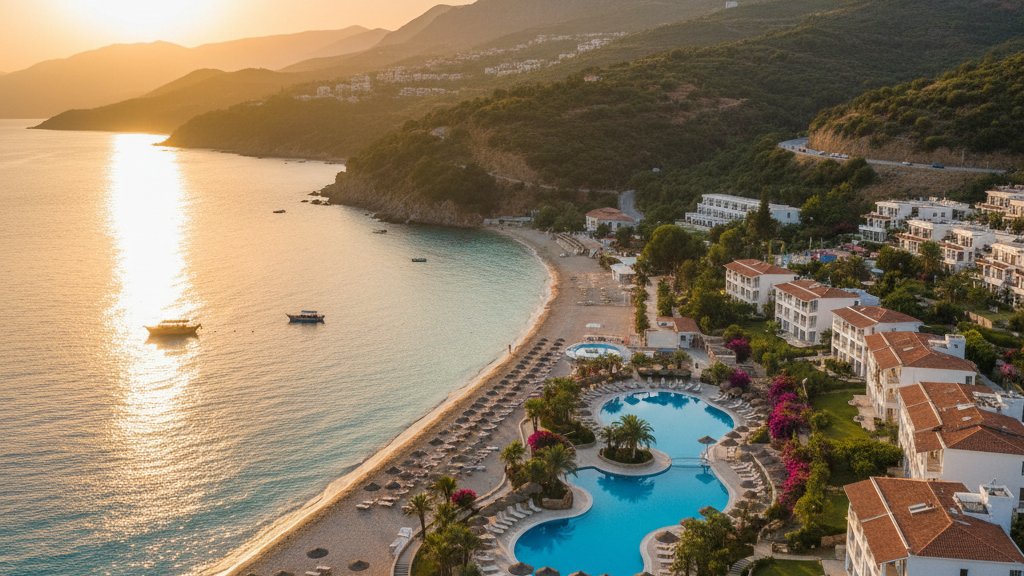
Beach clubs along the Albanian Riviera operate June through September, with most action concentrated around Jale Beach and Dhermi. These venues host international DJs and can feel similar to Greek islands or Croatia's Dalmatian coast. Entry often includes a beach lounger for daytime use, with the party starting after sunset and continuing until 03:00 or later.
Solo travelers should avoid excessive drinking in unfamiliar venues and never leave drinks unattended. Albania's nightlife remains remarkably safe compared to Western European cities, but standard precautions apply. Keep your phone charged and have taxi options ready - Bolt operates in Tirana until late, but you'll need to arrange rides in advance in coastal towns.
Consider joining organized pub crawls in Tirana, which visit 3-4 bars with included drinks and local guides who explain Albanian drinking customs and history. These crawls naturally group solo travelers and provide a safer introduction to nightlife than exploring alone. Prices typically run EUR 15-20 including several drinks and bar entrance fees.
Discovering Albania's Natural Landscapes Independently
Albania's greatest asset for solo travelers remains its landscape diversity - you can swim in the Ionian Sea and hike alpine trails within the same day. The compact geography (200 km coast-to-mountains) and relatively empty tourism infrastructure mean solo travelers can access remarkable natural sites without the crowds that mob Croatia's parks or Greece's islands.
The Albanian Alps (Bjeshket e Nemuna) in the north offer multi-day trekking routes connecting stone villages via mountain passes above 1,800 meters elevation. The Theth to Valbona trail (14 km, 7-8 hours) crosses the Valbona Pass and ranks among Europe's best day hikes. Solo travelers can arrange luggage transfer services through guesthouses, allowing you to hike with just a daypack while your main bag reaches the next village by vehicle.
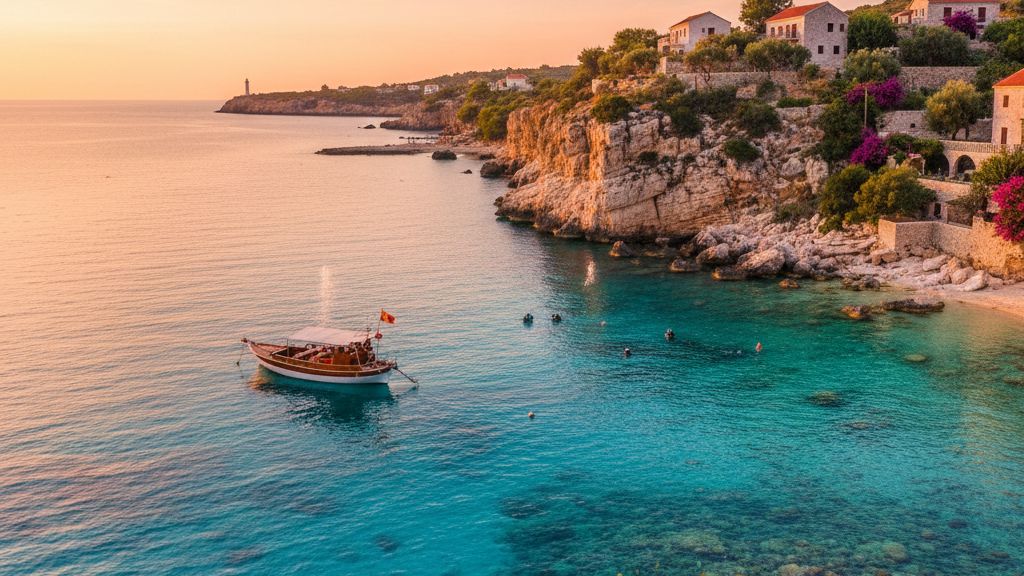
The Albanian Riviera between Vlora and Saranda includes dozens of beaches accessible only by foot or boat. Gjipe Beach requires a 20-minute hike down a canyon, while Bunec Beach near Lukova sits at the bottom of cliff stairs. These semi-secret spots remain nearly empty outside July-August, perfect for solo travelers seeking solitude. Bring water and sun protection, as facilities are minimal.
National parks including Divjaka-Karavasta on the coast and Dajti Mountain above Tirana charge minimal entrance fees (EUR 1-2) and maintain marked trails suitable for solo hiking. Dajti's cable car from eastern Tirana provides easy mountain access with a restaurant at the summit. Solo travelers can complete the 2-3 hour circuit trail and return to Tirana by mid-afternoon.
The Blue Eye Spring (Syri i Kalter) near Saranda creates a natural pool of impossibly clear water fed by underground rivers. This popular site attracts tour groups mid-morning, so solo travelers should visit at 08:00 opening or after 16:00 for quieter experiences. The short access trail from the parking area suits all fitness levels, making it an easy addition when driving between Saranda and the coastal route toward Himara.
Managing Practical Logistics for Solo Travel
Albanian ATMs dispense euros (the de facto currency despite lek being official) and accept international cards without issues. Keep around EUR 50-100 cash for rural guesthouses, market purchases, and shared taxis that rarely accept cards. Exchange rates at banks beat airport exchange desks, though differences remain small given Albania's euro-linked economy.
Mobile data remains affordable and reliable in cities and along main highways. Albanian SIM cards (Vodafone, ALBtelecom, or One Telecommunications) cost EUR 5-10 for tourist packages with 10-20GB data valid for 30 days. Purchase SIM cards at the airport or city phone shops with your passport - activation takes minutes. Coverage drops significantly in mountain valleys, so download offline maps before leaving cellular range.
Most accommodation includes WiFi, though speeds and reliability vary dramatically. Budget guesthouses may share a single connection among many rooms, making video calls difficult during evening hours. Cafes throughout Albania offer free WiFi with any purchase - useful for uploading photos or handling work emails during long travel days.
Albania uses European-style two-pin plugs (Type C and F) with 220V current. Bring a universal adapter if your devices use other plug types. Power cuts rarely occur in cities but happen occasionally in mountain villages, especially during winter storms. Carry a fully-charged power bank for your phone when hiking or taking long bus rides.
| Service | Typical Cost (EUR) | Notes for Solo Travelers |
|---|---|---|
| Hostel dorm bed (per night) | 10-15 | Best for meeting other travelers |
| Guesthouse private room (per night) | 15-25 | Often includes breakfast |
| Intercity bus Tirana-Saranda | 8-10 | 5-6 hours, departs morning only |
| Shared taxi Tirana-Shkoder | 5-7 | 2 hours, frequent departures |
| Restaurant meal with drink | 8-12 | Large portions, consider splitting |
| Local guide day rate | 20-30 | Essential for remote mountain areas |
| Rental car (compact, per day) | 25-35 | Add full insurance coverage |
Frequently Asked Questions
How safe is Albania really for solo travelers compared to neighboring Balkan countries?
Albania consistently ranks among Europe's safest destinations for solo travelers, with lower crime rates than Greece, Croatia, or Montenegro. Violent crime against tourists remains extremely rare, and most incidents involve minor theft in crowded areas. Women traveling solo report less harassment than in southern Italy or parts of Greece. The main risks involve road accidents due to aggressive local driving and hiking accidents in remote mountains - both easily mitigated with basic precautions. Albanian hospitality culture means locals actively help solo travelers, often going beyond what you'd experience in more tourist-saturated countries.
What's the best way for a solo traveler to reach remote mountain villages like Theth or Valbona without renting a car?
Shared minivans operate daily from Shkoder to Theth (3 hours, EUR 8-10) and from Fierze ferry crossing to Valbona (2 hours, EUR 5-7) throughout summer months May through October. Book these through your accommodation in Shkoder or contact local guesthouses directly via WhatsApp to arrange pickup. Winter access requires 4x4 vehicles and costs considerably more. Another option involves joining organized group tours from Tirana that include transport, guiding, and accommodation across multiple days - these typically cost EUR 120-180 for 2-3 days and attract primarily solo travelers, providing built-in companionship for remote areas where solo hiking poses safety concerns.
Can I travel through Albania for three weeks on a budget of EUR 600 as a solo traveler?
Three weeks on EUR 600 (under EUR 30 daily) remains achievable for solo travelers willing to stay in hostel dorms, eat primarily from markets and street food, and use public buses rather than rental cars. Budget breakdown: EUR 12 accommodation, EUR 10 food, EUR 5 transport, leaving EUR 3 for occasional restaurant meals or entrance fees. This budget works better outside peak July-August season when prices drop 30-40 percent. Adding EUR 200 for a rental car for one week dramatically expands your access to remote beaches and mountain villages while sharing costs with other travelers met in hostels. Solo travelers inevitably spend more per person than couples splitting accommodation, but Albania remains one of Europe's most affordable destinations even when traveling alone.
Do I need to book accommodation in advance or can I find places upon arrival as a solo traveler?
July through August requires advance booking for coastal areas and popular mountain villages, as Albanian families vacation during this period alongside international tourists. Book at least one week ahead for Saranda, Dhermi, Theth, and Valbona during peak season. April-June and September-October allow more flexibility - you can typically find accommodation walking around with 1-2 days notice, though arriving before 15:00 helps. Winter months November-March see minimal tourism outside Tirana, making advance booking less critical but limiting your options as many guesthouses close entirely. Solo travelers benefit from booking the first and last nights in Tirana to avoid arrival stress, then playing other nights by ear once you're in country and can adjust based on weather and recommendations from fellow travelers.
What are the most common mistakes solo travelers make when planning an Albania trip?
The biggest mistake involves underestimating driving times on mountain roads - what looks like 50 km on a map often takes 2+ hours on winding single-lane roads with livestock crossings. Solo travelers also frequently try cramming too many locations into short trips, not realizing that Albania rewards slow travel and spontaneous discoveries rather than rushed itineraries. Another common error involves visiting only coastal areas and missing the Albanian Alps, which offer the country's most dramatic landscapes and authentic cultural experiences. Many solo travelers also skip learning any Albanian phrases, not realizing how much this limits interactions outside major tourist zones. Finally, people often underestimate how conservative rural areas remain - what passes without comment in Tirana can attract unwanted attention in mountain villages, particularly regarding dress and behavior.