Albania Beach Guide - Where to Find the Best Coastal Destinations
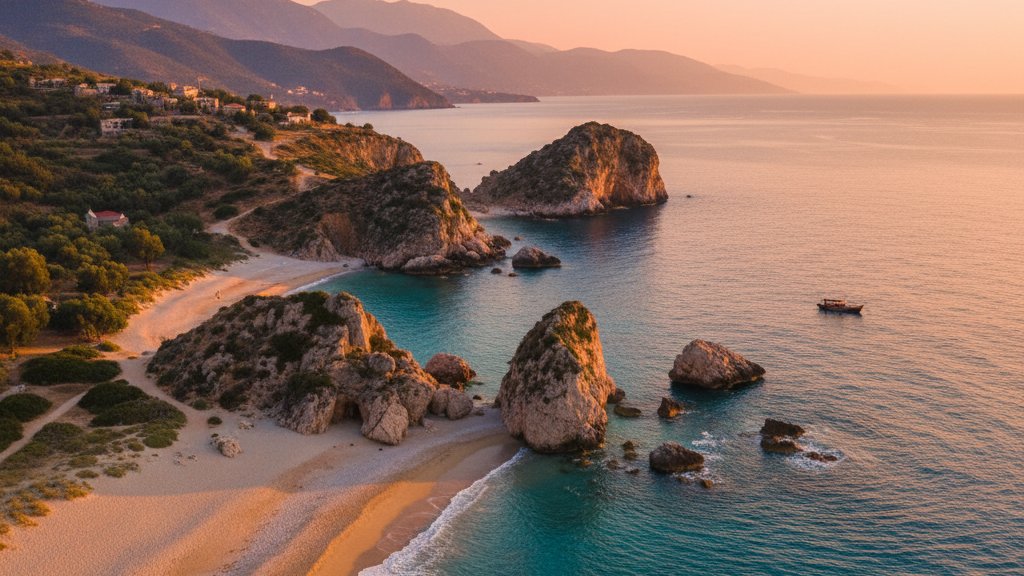
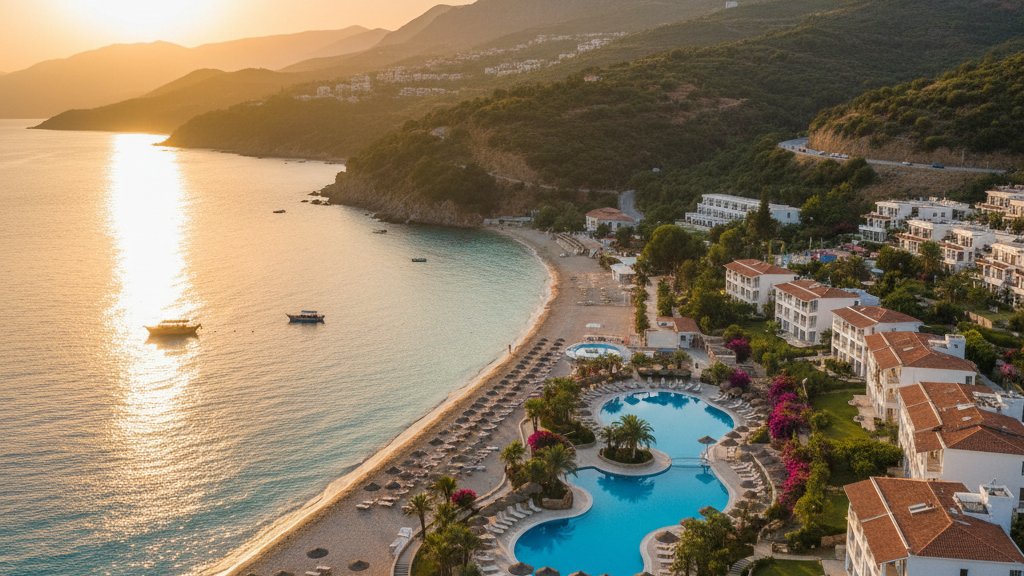
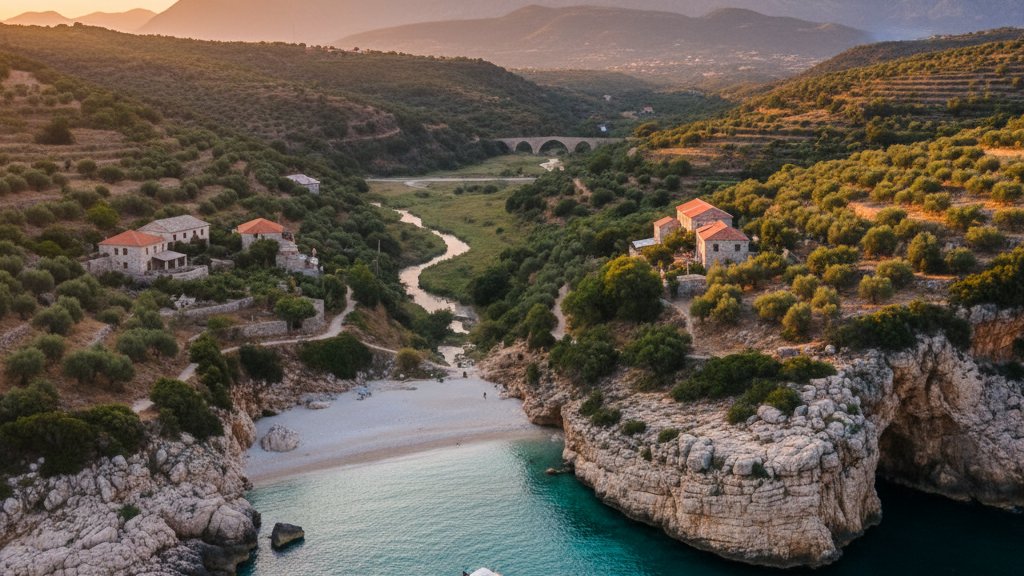
Albania possesses 427 kilometers of coastline split between the Adriatic Sea to the north and the Ionian Sea to the south. The southern Albanian Riviera offers dramatic limestone cliffs plunging into turquoise waters, while northern beaches near Durres feature wider sandy stretches backed by pine forests. Water visibility regularly exceeds 15 meters at Ionian beaches during summer months, making the coastline comparable to Greek islands at a fraction of tourist density.
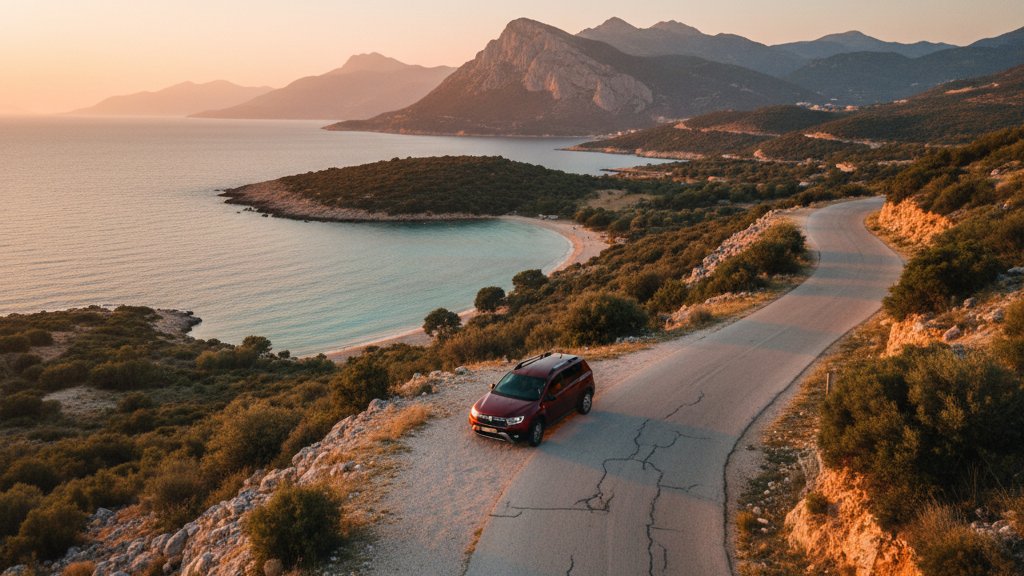
Most beaches along the Albanian Riviera sit 80-180 kilometers south of Tirana International Airport Nene Tereza via the SH8 coastal road. A rental car transforms beach access from bus-dependent inconvenience into spontaneous exploration of hidden coves between major settlements. The drive from Tirana airport to Saranda covers 284 kilometers and takes 4.5 hours via the inland A1 motorway through Tepelena, or 6 hours following the scenic SH8 coastal route past Llogara Pass.
Ksamil Beach - Albania's Caribbean Comparison
Ksamil occupies the southernmost 4 kilometers of Albanian coastline, just 14 kilometers south of Saranda and 7 kilometers from the Greek border at Konispol. Four small islands sit 50-200 meters offshore, creating sheltered swimming zones with water temperatures reaching 26 degrees Celsius in July and August. The main beach stretches 1.2 kilometers with a mix of organized sections featuring sun loungers at 1500-2000 lek per day and free public access zones.
The seafloor drops gradually to 3 meters depth within 20 meters of shore, making Ksamil suitable for families with children. Water clarity allows identification of individual pebbles at 5 meters depth. Three beach bars operate along the main stretch serving grilled fish caught that morning from the small harbor at the southern end. Parking fills by 10:00 during July-August, with overflow lots charging 300-500 lek for the day.
Butrint National Park lies 9 kilometers south, combining a UNESCO archaeological site with lagoon wetlands visited by 180 bird species. The paved road continues to the Vivari Channel where a cable ferry crosses to Butrint ruins, operating 08:00-19:00 daily with 5-minute crossings. The archaeological site requires 2-3 hours for comprehensive exploration of Greek, Roman and Byzantine layers spanning 2500 years.
Dhermi Beach - Youth Culture Hub of the Albanian Riviera
Dhermi village sits on a hillside 200 meters above sea level, while Dhermi Beach occupies the coastal strip 4 kilometers below via a steep winding road. The beach runs 3 kilometers south from the main access point, with the northern 800 meters developed into beach clubs featuring electronic music from June through September. Southern sections maintain natural character with scattered tavernas and guesthouses set back from the waterline.
Beach clubs install platforms, loungers and sound systems each May, creating a party atmosphere that peaks during July-August weekends. Entry typically costs 1000-1500 lek including a lounger, with cocktails priced at 500-800 lek. Water sports rentals cluster near the main beach access: jet ski hire runs 6000-8000 lek for 15 minutes, parasailing costs 5000 lek per flight, kayak rental 1500 lek per hour.
The village above preserves stone architecture dating to the 18th century, with several churches containing Byzantine frescoes. A hiking trail connects Dhermi village to Gjipe Beach in 90 minutes, descending through olive groves and crossing a seasonal stream before emerging at the canyon mouth. Road access between Dhermi and the Palasa junction to the north covers 18 kilometers via the famous Llogara Pass, climbing to 1027 meters elevation with hairpin turns offering panoramic views across the Ionian Sea to Corfu island.
Jale Beach - Balance Between Development and Tranquility
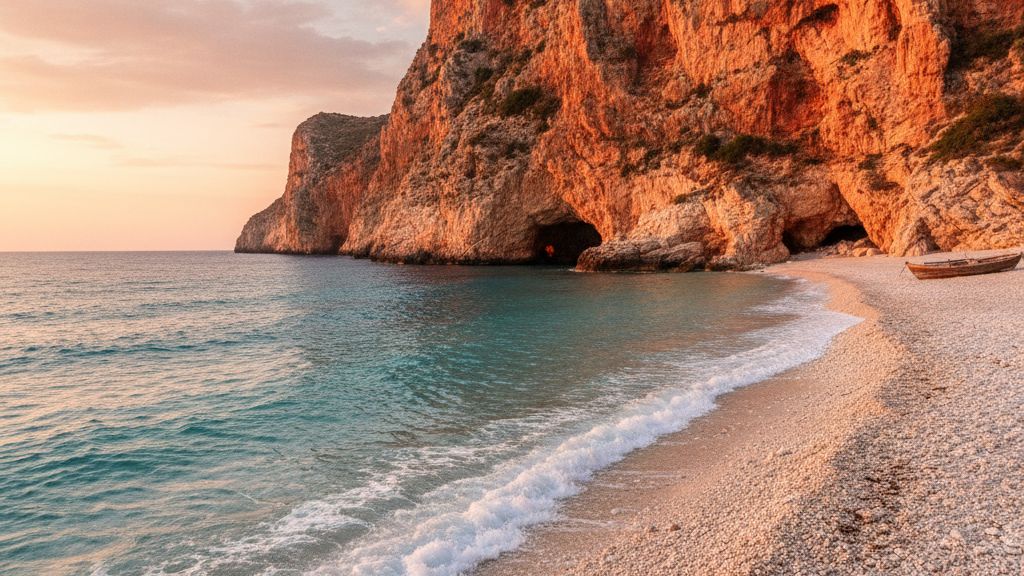
Jale Beach occupies a 600-meter crescent between rocky headlands, located 8 kilometers south of Dhermi and 12 kilometers north of Himara town center. The beach mixes fine white pebbles with coarse sand, with water depth reaching 2 meters within 10 meters of shore. Beach bars operate from May through October, offering lounger rentals at 1000-1500 lek and simple meals from 600-1200 lek.
A campground operates behind the southern end of the beach from June to September, charging 800-1000 lek per tent per night including access to basic showers and toilets. The site fills during August, making advance booking advisable. Several small guesthouses in olive groves behind the beach offer rooms at 3000-5000 lek per night, typically without breakfast but with kitchen access.
The road to Jale branches from the SH8 coastal highway 5 kilometers south of Dhermi village, descending 2.5 kilometers on a narrow paved road with tight turns. Parking at beach level accommodates approximately 50 vehicles, with additional roadside spaces on the access road. Morning arrival before 09:00 during peak season secures parking and choice of beach position before the main influx from organized tours departing Saranda and Vlora.
Planning to explore multiple beaches along the Albanian Riviera? A rental car in Saranda provides flexibility to visit secluded coves and adjust your schedule based on wind conditions affecting different stretches of coastline.
Gjipe Beach - Canyon-Framed Wilderness Escape
Gjipe Beach sits at the mouth of a 3-kilometer limestone canyon, creating a 200-meter-wide shore backed by 80-meter vertical cliffs. The beach consists of coarse pebbles mixing with sand near the waterline, with a freshwater stream emerging from the canyon during spring and early summer. Access requires either a 40-minute hike from the SH8 highway or arrival by boat from Himara or Dhermi.
The hiking trail begins at a marked parking area between Jale and Himara, descending through the canyon floor with stream crossings requiring waterproof footwear until July. The path narrows in several sections to single-file width between canyon walls, creating dramatic light effects during morning and late afternoon hours. Return via the same route involves 150 meters elevation gain, taking 50-60 minutes with moderate fitness.
No permanent structures exist at Gjipe Beach, maintaining wilderness character. Summer visitors bring food, water and shade equipment. A small seasonal cantina operates from a tent during July-August, selling cold drinks and simple snacks. Free camping is tolerated in the olive grove behind the beach, though no facilities exist. Water for drinking must be carried in or sourced from the canyon stream before late June when flow becomes unreliable.
Boat excursions from Himara harbor include Gjipe in half-day tours covering 3-4 beaches, typically costing 3000-4000 lek per person with swimming stops at each location. Private boat charter allows flexible timing, running 15000-20000 lek for up to 8 passengers on a 4-hour tour. Sea conditions from July through September generally permit safe approach to the beach, with morning hours offering calmest water before afternoon breezes strengthen.
Himara Town Beach - Urban Convenience with Mountain Views
Himara town spreads along 2 kilometers of pebble beach directly accessible from the SH8 coastal highway. The beach combines public access areas with organized sections operated by hotels and restaurants, offering lounger rentals at 1000-1500 lek. Old Himara village occupies the hillside 3 kilometers inland, preserving stone houses and Byzantine church ruins at 200 meters elevation with panoramic coastal views.
The town center provides full services including supermarkets, pharmacies, medical clinic, fuel stations and ATMs. Accommodation ranges from simple guesthouses at 2500-4000 lek per night to beachfront hotels at 8000-15000 lek. Restaurants along the waterfront serve fresh fish priced by weight, typically 1200-1800 lek per kilogram for sea bass or sea bream.
Himara serves as a practical base for exploring southern Riviera beaches while maintaining urban amenities. The port area at the southern end of town offers boat trips to Gjipe, Jale and the Porto Palermo bay with its Ali Pasha castle. Road connections link Himara to Saranda in 50 minutes covering 42 kilometers south, or to Vlora in 90 minutes covering 68 kilometers north via Llogara Pass.
Saranda Waterfront - Urban Beach with Island Views
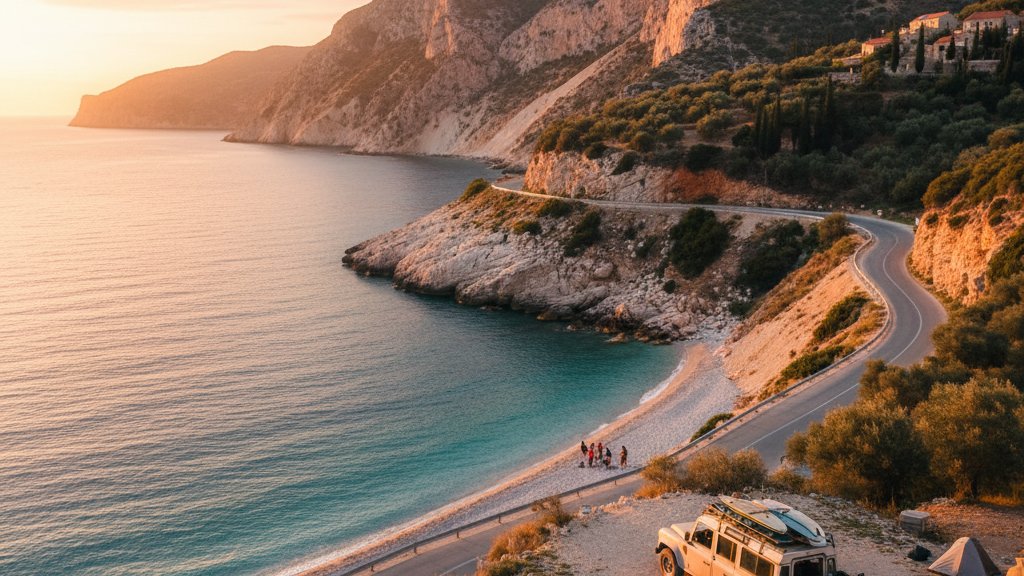
Saranda city occupies a natural bay facing Corfu island 8 kilometers across the strait. The main waterfront promenade runs 2 kilometers backed by hotels, restaurants and shops. Public beaches intersperse with private hotel sections, offering mix of pebble and concrete platforms for water access. The northern end near the archeological museum provides the most sand mixing with pebbles.
Tourist infrastructure concentrates along Saranda waterfront, with hundreds of restaurants, bars and accommodation options within walking distance of the beach. The ferry terminal at the southern end operates daily connections to Corfu Town, with crossings taking 30 minutes and costing 15-25 EUR depending on season. Evening promenade atmosphere from June through September features restaurant terraces, street vendors and families until midnight.
Saranda serves as gateway for exploring the southern coast, positioned 14 kilometers north of Ksamil and 42 kilometers south of Himara. The drive north to Himara and beyond requires navigating the SH8 coastal road with mountain sections and coastal sections alternating. Traveling south, the road to Ksamil and Butrint remains flat and straight, taking 20 minutes in normal conditions.
Practical Considerations for Albanian Beach Access
Beach season extends from late May through early October, with July-August bringing peak crowds and highest accommodation prices. Water temperature climbs from 20 degrees in May to 26 degrees in August, dropping to 22 degrees by early October. June and September offer optimal balance of warm weather, swimmable water and reduced tourist density.
Most Albanian beaches consist of pebbles rather than sand, making water shoes advisable for comfortable entry and walking. Public beach sections provide free access though usually lack facilities; organized sections charge 1000-2000 lek for two loungers and umbrella. Few beaches maintain lifeguard coverage, requiring personal assessment of sea conditions and swimming ability.
Parking availability varies dramatically by beach and season. Remote beaches like Gjipe require hiking, while popular spots like Ksamil fill parking by mid-morning July-August. Evening arrival for overnight parking provides advantage for morning beach access before day-trippers arrive. Roadside parking on the SH8 highway near beach access points is common but requires caution for safe vehicle positioning.
| Beach Location | Distance from Tirana Airport | Beach Type | Access Difficulty | Development Level |
|---|---|---|---|---|
| Ksamil | 284 km, 4.5 hours | Fine pebble, sand patches | Easy, paved parking | High - multiple beach bars |
| Dhermi | 144 km, 2.5 hours | White pebble | Moderate - steep access road | High - beach clubs, music |
| Jale | 152 km, 2.75 hours | Pebble with sand | Moderate - narrow access road | Medium - beach bars, camping |
| Gjipe | 156 km, 3 hours plus hike | Coarse pebble | Difficult - 40 min canyon hike | Minimal - wilderness setting |
| Himara | 160 km, 2.75 hours | Pebble | Easy - roadside access | High - town services |
| Saranda | 284 km, 4.5 hours | Pebble, concrete platforms | Easy - urban waterfront | Very high - city infrastructure |
Driving Conditions Between Beach Destinations
The SH8 coastal highway connecting Vlora to Saranda underwent reconstruction between 2019-2022, improving surface quality while maintaining challenging geometry through mountain sections. The Llogara Pass between Vlora and Dhermi climbs to 1027 meters over 33 kilometers with numerous hairpin turns requiring reduced speed. Descent from Llogara to Dhermi covers 15 kilometers of continuous downhill with spectacular views but demanding concentration.
South of Himara to Saranda, the SH8 alternates between coastal sections at sea level and mountain passages climbing to 300-400 meters. The 42-kilometer drive requires 50-60 minutes in normal conditions, with overtaking opportunities limited by winding road geometry. Evening drives benefit from reduced traffic and softer light, though deer occasionally cross the road in forested sections requiring vigilance.
Parking near popular beaches becomes critical during July-August. Arriving before 09:00 provides best chance of securing spots at Ksamil, Dhermi and Jale. Alternatively, staying overnight near target beaches eliminates morning parking competition. Understanding Albanian driving conditions helps prepare for mountain roads and beach access routes requiring confidence on narrow pavement.
FAQ
Which Albanian beach offers the clearest water for snorkeling and can I reach it without hiking long distances from parking?
Ksamil provides exceptional water clarity with visibility regularly exceeding 12 meters, allowing snorkeling around the four offshore islands accessible by swimming 50-200 meters from shore. Parking lots sit within 200 meters walking distance of the beach. The gradual depth increase and rocky areas between islands create habitat for Mediterranean fish species including damselfish, wrasse and occasional octopus. Morning hours before 11:00 offer calmest conditions and best underwater visibility before wind potentially increases afternoon wave action.
What makes Gjipe Beach worth the hiking effort compared to beaches with direct car access, and what should I bring for the 40-minute canyon trail?
Gjipe delivers wilderness experience unmatched by roadside beaches, with 80-meter limestone cliffs creating dramatic natural amphitheater and absence of development preserving pristine character. The canyon hike itself provides attraction with narrow passages, stream crossings and geological formations. Bring 2 liters water per person, waterproof footwear for stream sections until July, sun protection, food for the day, and trash bags as no bins exist. Morning descent before 10:00 avoids midday heat in the canyon; return climb generates significant warmth requiring hydration reserves.
Can I visit multiple beaches along the Albanian Riviera in one day or should I base myself at one location for exploring the coastline?
Single-day multi-beach tours work for Ksamil-Saranda area where beaches sit 10-20 minutes apart, allowing 3-4 stops in a day. The longer Dhermi-Jale-Himara stretch requires choosing 1-2 beaches per day due to 20-40 minute drives between locations plus parking and beach time. Basing yourself centrally in Himara or Dhermi for 3-4 nights enables daily selection of different beaches based on wind direction, with morning drives of 15-45 minutes to most Riviera destinations. This approach eliminates daily accommodation changes while providing beach variety.
What's the realistic driving time from Tirana airport to southern beaches like Ksamil during peak summer season and should I break the journey?
The 284-kilometer drive from Tirana International Airport to Ksamil requires 4.5-5 hours via the inland A1 motorway through Tepelena, or 6-6.5 hours following the scenic coastal SH8 route via Llogara Pass. Summer traffic adds 30-45 minutes to these estimates, particularly on Friday afternoons and Sunday evenings during July-August. Breaking the journey with overnight stop in Vlora or Himara transforms the transfer into enjoyable two-day coastal exploration rather than exhausting single-day marathon, especially after international flight arrival.
Are Albanian beaches suitable for families with young children regarding water safety, facilities and food options?
Ksamil, Himara town beach and organized sections of Dhermi offer family-friendly conditions with gradual water entry, nearby restaurants serving familiar food like grilled chicken and fries, and availability of loungers providing shade. Ksamil specifically features shallow water extending 20 meters offshore and proximity to town amenities. Remote beaches like Gjipe lack facilities requiring families to be self-sufficient with food, water and shade equipment. Few Albanian beaches maintain lifeguard coverage, placing responsibility on parents for water supervision. Peak season July-August brings warmest water at 25-26 degrees but also maximum crowds; June or September offer better balance for family comfort.
What's the procedure for parking at popular beaches and are there security concerns leaving a rental car for several hours?
Organized parking lots at Ksamil and Dhermi charge 300-500 lek for day parking with attendant presence providing basic security. Roadside parking near beaches is common practice with vehicles visible from beach areas, reducing theft risk. Remove all valuables from sight, lock doors and note your location relative to landmarks for return identification. Albanian beach parking theft is uncommon but occurs; keeping rental car documents, passports and electronics with you on the beach in waterproof pouches provides peace of mind. Evening return to vehicle when leaving beach minimizes extended exposure time compared to all-day parking at remote locations.
How does beach access work regarding free public areas versus paid organized sections with loungers?
Albanian law guarantees public beach access, meaning all beaches maintain free entry zones even where hotels or beach bars operate organized sections. Organized areas marked by rows of loungers charge 1000-2000 lek for umbrella and two loungers, often including requirement to purchase food or drinks. Free public sections allow spreading your own towel or mat without charge but typically lack shade structures or facilities. Popular beaches see organized sections occupy 50-70% of beach frontage during peak season, with free zones at ends or between concessions. Arriving early secures better positions in free sections before prime spots fill.
What months offer the best combination of good weather and fewer crowds for Albanian beach holidays?
June and September deliver optimal conditions with water temperatures of 22-24 degrees, mostly sunny weather with occasional brief showers, and tourist numbers at 40-60% of July-August peaks. June benefits from longer daylight hours extending usable beach time until 20:30, while September offers slightly calmer seas and more stable weather patterns. May sees water still cool at 18-20 degrees though beaches are nearly empty; October brings pleasant 22-degree water but increasing rainfall probability and many seasonal businesses closing by mid-month. Budget accommodation drops 30-40% in June and September compared to July-August peaks.