The Thermal Springs of Albania: Natural Wellness Retreats
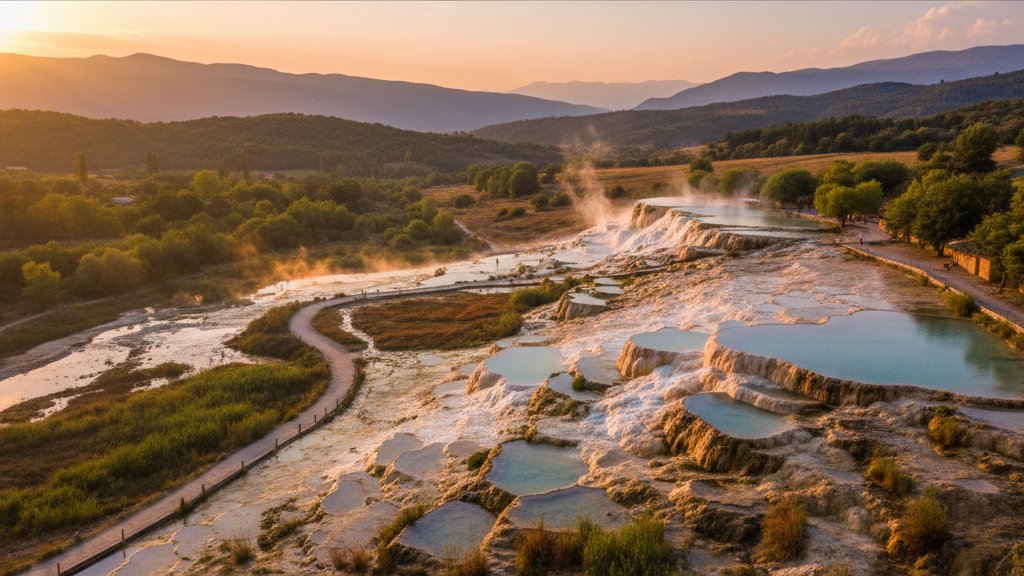
Albania, a hidden gem nestled in the heart of the Balkans, is not just about its pristine beaches and rich historical sites. The country harbors a network of geothermal springs that have served as natural wellness centers for centuries. These mineral-rich waters, heated deep within the earth, emerge at temperatures between 20 and 65 degrees Celsius, offering therapeutic properties recognized since ancient times. From the sulphur springs of southern Albania to the calcium-rich baths of the north, these natural spas provide a unique dimension to Albanian tourism - one that combines health, relaxation, and connection with untouched nature.
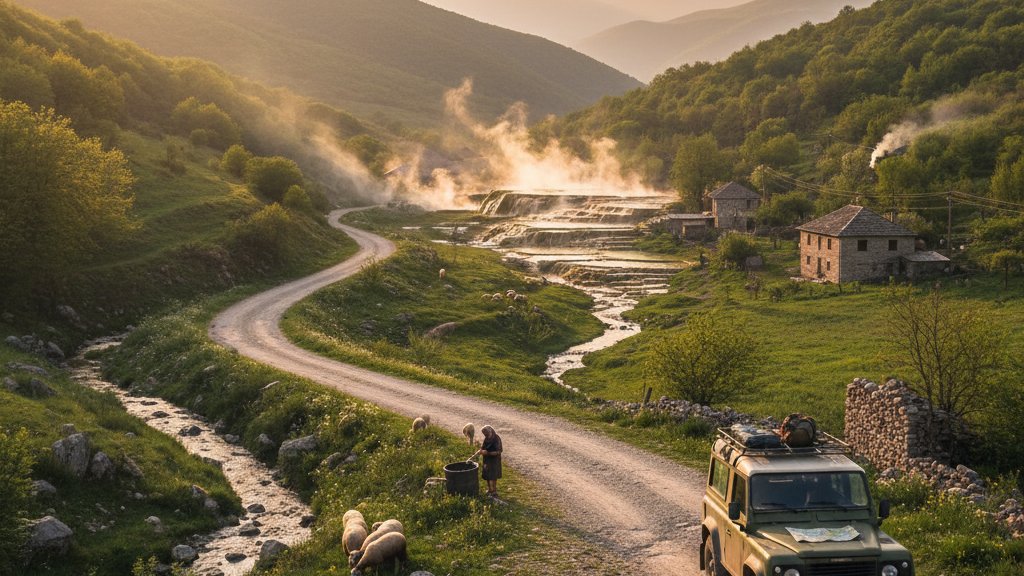
Exploring Albania's thermal springs requires flexibility and independence. Many of these natural treasures sit in remote mountain valleys accessible only by gravel roads that wind through dramatic gorges. A rental car from Tirana gives you the freedom to reach springs like Benja at dawn when morning mist rises from the hot pools, or to discover lesser-known sources along the Vjosa River where local shepherds still bathe their flocks in mineral-rich runoff. The journey to these springs often proves as therapeutic as the destination, taking you through landscapes where traditional stone villages cling to hillsides and the air carries the scent of wild thyme.
The Geothermal Geography of Albanian Springs
Albania's thermal springs concentrate along two major geological zones. The first follows the Ionian tectonic line through southern regions including Permet, Kelcyre, and Leskovik, where the Vjosa River has carved deep channels through limestone. The second zone extends through central Albania from Elbasan through Peshkopi to Fushe-Arrez in the north. This geological activity produces springs with varying mineral compositions - calcium bicarbonate waters in Peshkopi reach 63 degrees Celsius, while the sulphur springs of Benja maintain a steady 28-30 degrees year-round. The therapeutic value of each spring depends on its specific mineral profile: sulphur for skin conditions, calcium for bone health, and magnesium for muscle relaxation.
The springs around Permet sit within the Nemercke Mountains at elevations between 300 and 450 meters. Here, rainwater percolates through fractured limestone for decades, dissolving minerals before being heated by geothermal gradients and forced to the surface through faults. The Langarica River canyon provides the dramatic setting for multiple spring groups, with the Benja complex being the most developed. Further north, the springs near Peshkopi emerge in the Drin River basin, while the Fushe-Arrez sources sit at the foot of the Albanian Alps. Understanding this geography helps visitors plan routes - southern springs pair naturally with coastal destinations like Sarande and Himara, while northern springs combine well with mountain hiking in Theth and Valbona.
Benja Thermal Baths: Albania's Signature Spring Experience
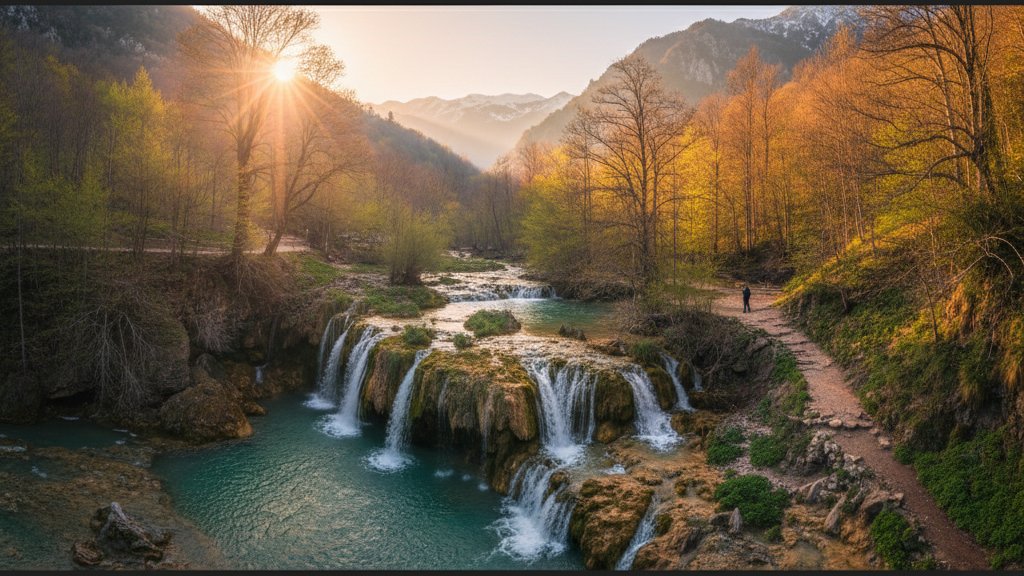
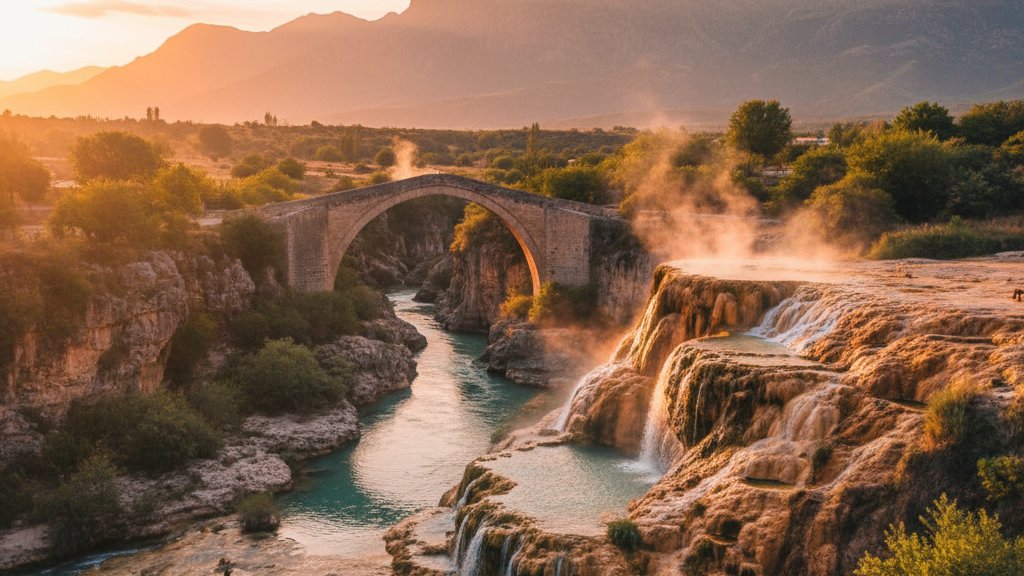
The Benja Thermal Baths (also spelled Benje or Benje) sit 13 kilometers east of Permet on the road toward Kelcyre, where the Langarica River cuts through a narrow gorge. Six natural pools have formed where hot springs meet the cold river water, creating zones of varying temperature from 20 to 30 degrees Celsius. The sulphur content gives the water a distinctive mineral smell and a slippery feel that many find therapeutic for skin conditions including psoriasis and eczema. An 18th-century Ottoman bridge spans the gorge above the main pools, creating a photogenic backdrop that has made Benja Albania's most Instagram-worthy thermal site since 2020.
Accessing Benja requires navigating 13 kilometers of narrow road from Permet's town center. The route follows the Vjosa tributary upstream, passing through the village of Benje where local families operate small guesthouses. The last 2 kilometers become a rough track suitable for any vehicle in dry conditions, but caution is needed after rain when the surface turns muddy. A small parking area serves visitors, though it fills quickly on summer weekends when families from Permet and Gjirokaster arrive for day trips. The springs themselves are free to access, with local entrepreneurs operating a small cafe and changing facilities for a nominal fee. Early morning visits from April through June offer the best experience - warm enough for comfortable bathing but before the summer crowds arrive.
Planning to visit Albania's mountain springs? Rent an SUV or crossover in Tirana for confident handling on the gravel approach roads that lead to remote thermal sites throughout southern Albania.
Lesser-Known Spring Destinations Worth Discovering
Beyond Benja, Albania harbors dozens of thermal sources that receive few international visitors. The Kelcyre springs sit 20 kilometers upstream from Benja at the confluence of two mountain streams, where locals have built simple stone pools that fill with 25-degree water rich in calcium and magnesium. No infrastructure exists here - visitors bring their own towels and change behind riverside bushes, making it an authentic experience far from tourism. The drive from Permet to Kelcyre follows a spectacular gorge road that requires steady nerves but rewards with views of the Nemercke peaks rising 2,400 meters above the valley floor.
In northern Albania, the Peshkopi springs near the town of the same name offer a different character. These waters emerge at 63 degrees Celsius - too hot for immediate bathing - and flow through a series of cooling channels before reaching comfortable temperatures. The high mineral content leaves orange-red deposits on rocks, evidence of iron and other trace elements. A small spa facility operates year-round, offering basic changing rooms and a snack bar. The springs sit 3 kilometers from Peshkopi's center on the road toward Fushe-Bulqize, making them an easy stop for travelers heading between Shkodra and the eastern border regions. Winter visits have their own appeal - bathing in hot mineral water while snow covers the surrounding peaks creates a memorable contrast.
Therapeutic Properties and Traditional Uses
Albanian folk medicine has incorporated thermal springs for generations, with specific springs recommended for particular ailments. Sulphur springs like Benja treat chronic skin conditions, arthritis, and respiratory issues - locals claim regular bathing improves symptoms of asthma and bronchitis when combined with the mountain air. Calcium-rich springs near Peshkopi are traditionally used for bone and joint problems, with elderly villagers making seasonal pilgrimages to bathe daily for weeks. The radioactive springs of Elbasan (with very low radiation levels considered therapeutic rather than harmful) once operated as a medical spa during socialist times, treating patients with prescribed bathing schedules.
Modern research has validated some traditional claims while debunking others. The mineral absorption through skin during thermal bathing does occur, particularly for sulphur, magnesium, and calcium. The heat itself provides therapeutic benefits by increasing blood circulation, relaxing muscles, and reducing inflammation. However, visitors should maintain realistic expectations - thermal springs complement medical treatment but cannot replace it. Most benefits come from regular use over time rather than single visits. For tourists, the primary value may be psychological: the combination of natural beauty, warm water, and disconnection from digital life creates genuine stress relief that extends beyond the immediate bathing experience.
Practical Considerations for Spring Visitors
Visiting Albanian thermal springs requires more preparation than a typical beach day. Most springs lack changing facilities, so wearing swimwear under clothing simplifies matters. Bring sandals or water shoes - the mineral deposits on rocks can be sharp and slippery. A towel and dry clothes are essential, along with a waterproof bag for wet items. While the water is naturally clean, it's not chlorinated like a pool, so avoid submerging your head if you have open wounds or infections. Peak summer can make some springs uncomfortably crowded, with local families claiming poolside spots for entire days. Weekday mornings from April through June or September through October offer the best balance of warm weather and light crowds.
Access logistics vary by location. Benja has the best infrastructure with marked parking and a cafe, but arriving before 9 AM secures a good spot. More remote springs like Kelcyre require self-sufficiency - bring drinking water, snacks, and be prepared for minimal privacy. Some springs sit on private land where families may request a small fee (typically 100-200 lek) to cover maintenance. This informal system works on trust - there's no ticket booth, just a local resident who appears to collect payment. Respect the environment by removing all trash and avoiding soap or shampoo in the water, which damages the delicate bacterial and algae ecosystems that depend on the specific mineral chemistry.
| Spring Location | Distance from Tirana | Water Temperature | Road Condition | Facilities |
|---|---|---|---|---|
| Benja (Permet) | 237 km (3.5 hours) | 28-30°C | Paved then gravel last 2 km | Cafe, basic changing |
| Kelcyre | 257 km (4 hours) | 25-27°C | Challenging mountain road | None (natural site) |
| Peshkopi | 147 km (2.5 hours) | 45-50°C (cooled in pools) | Fully paved | Small spa, changing rooms |
| Fushe-Arrez | 162 km (3 hours) | 32-35°C | Paved with narrow sections | Minimal (village location) |
| Elbasan | 54 km (1 hour) | 42-45°C | Fully paved | Historic spa (limited operation) |
Combining Springs with Regional Exploration
The thermal springs of southern Albania integrate naturally into longer itineraries exploring the region's cultural and natural attractions. From Benja, the road continues east through the Langarica canyon to the village of Frasheri, birthplace of the Frasheri brothers who shaped Albanian nationalism in the 19th century. A small museum commemorates their legacy. The return journey to Permet allows time to explore this relaxed town known for its wine production and the annual Gjirokaster-Permet Folk Festival in July. Continuing west toward Vlore via the SH75 crosses the Kelcyre Pass with panoramic views before descending to the coast.
Northern springs like Peshkopi serve as waypoints on routes between different regions. Travelers heading from Tirana International Airport to the Albanian Alps typically pass near Peshkopi, making the springs a logical first-day stop that helps break the journey while providing relaxation after the flight. The town itself offers basic hotels and restaurants serving traditional mountain cuisine - try the roasted lamb with wild oregano, a regional specialty. From Peshkopi, the SH6 continues north through Burrel toward Shkodra, or east toward the Macedonian border at Qafe-Thane. Shoulder season visits from April through May or September through October combine ideal spring temperatures with excellent conditions for mountain hiking and fewer crowds at all attractions.
Health and Safety Considerations
While Albanian thermal springs are generally safe, some precautions apply. The high mineral content and warm temperatures create conditions where bacteria can thrive, so people with compromised immune systems should consult doctors before bathing. The slippery rocks and uneven pool bottoms pose fall risks, particularly for elderly visitors or children. Supervision is essential as there are no lifeguards at natural spring sites. The sulphur content at some springs can irritate eyes and mucous membranes - avoid complete immersion if you have sensitivities. Pregnant women should verify that specific springs are safe, as some mineral compositions are not recommended during pregnancy.
Dehydration becomes a concern during extended soaking, especially in hot summer weather. The warm water dilates blood vessels and increases perspiration even though you feel wet. Bring adequate drinking water and limit initial bathing sessions to 20-30 minutes, gradually increasing as you acclimate. The altitude of mountain springs (300-450 meters for southern locations) is not problematic for most visitors, but those with cardiovascular conditions should take breaks between soaking sessions. If you feel dizzy or lightheaded, exit the water and cool down in shade. The combination of thermal bathing and mountain driving requires attention - some visitors feel relaxed to the point of drowsiness after extended soaking, so take a break before driving challenging roads back to main highways.
FAQ: Visiting Albanian Thermal Springs
What is the best time of year to visit Albania's thermal springs for optimal weather and fewer crowds?
April through early June and September through October offer ideal conditions - warm enough for comfortable bathing (daytime temperatures 18-25 degrees Celsius) but before or after the peak summer crowds. Spring visits coincide with wildflower blooms throughout the mountain valleys, while autumn brings harvest season and changing foliage colors. Winter bathing has appeal for adventurous visitors - the contrast of hot water against cold mountain air creates a unique experience - but road conditions become unpredictable after November, particularly for remote springs accessed by gravel roads. July and August bring peak crowds at popular sites like Benja, with parking areas full by mid-morning on weekends.
Do I need a four-wheel-drive vehicle to reach the thermal springs, or can I access them with a standard rental car?
Most major thermal spring destinations including Benja and Peshkopi are accessible with any rental car in dry conditions. The paved road from Permet to Benja village handles all vehicle types, though the final 2 kilometers of gravel track to the springs themselves favors higher clearance. Standard sedans manage this section carefully in summer, but a crossover or SUV provides more confidence. Remote springs like Kelcyre require vehicles with good ground clearance due to rougher tracks and potential river crossings during wet periods. Northern springs near Peshkopi sit on fully paved roads suitable for any vehicle year-round. If your itinerary includes multiple spring visits plus mountain destinations, consider renting a crossover vehicle for versatility on varied road surfaces throughout Albania.
Are the thermal springs free to visit, or do they charge entrance fees for facilities and access?
Natural springs like Benja and Kelcyre are free to access as they sit in undeveloped natural settings without formal entrance gates or ticket systems. However, informal economy has developed around popular sites - at Benja, a family operates a small cafe and basic changing facilities, requesting a voluntary contribution of 100-200 lek per person that supports maintenance and trash removal. Some springs on private land involve small fees paid directly to landowners. Developed spa facilities like Peshkopi charge official entrance fees typically ranging from 300-500 lek for day use including changing room access. These fees remain modest by international standards - the expense of visiting Albanian springs comes primarily from transportation rather than entrance costs. Bring small denomination lek notes as card payment is rarely available at remote spring sites.
What should I bring for a day trip to thermal springs in terms of clothing, equipment, and supplies?
Wear your swimsuit under clothing for easy changing at sites with minimal facilities. Pack a quick-dry towel, water shoes or sandals (mineral deposits make rocks slippery), and a complete change of dry clothes including underwear. A waterproof bag or dry sack protects phones and keeps wet items separate during the drive back. Bring 2-3 liters of drinking water per person, sunscreen (even mountain sites get intense sun), and snacks since remote springs lack food options. A hat and sunglasses help during mid-day bathing. If visiting multiple springs over several days, pack a small first-aid kit with bandages for minor scrapes from rocky pools. Biodegradable soap for washing after bathing is useful but never use it in the spring water itself. A camera in a waterproof case captures the scenic settings, though leave valuables locked in your vehicle rather than poolside.
Can I combine thermal spring visits with other activities like hiking, or should I dedicate entire days to relaxation at the springs?
Half-day thermal bathing combines well with other activities. A typical pattern involves morning hiking followed by afternoon soaking to relax tired muscles - the springs of southern Albania pair particularly well with canyon hikes along the Vjosa tributaries. Alternatively, visit springs early morning when temperatures are coolest and crowds lightest, then continue to other destinations by midday. The Benja springs work as an excellent conclusion to multi-day hiking in the Nemercke Mountains, with the Ottoman bridge and canyon providing scenic variety beyond the thermal bathing itself. Avoid intense physical activity immediately after extended thermal bathing, as the heat and relaxation can reduce alertness for technical hiking or challenging drives. Combining spring visits with waterfalls creates varied water-focused itineraries - cold mountain waterfalls for photography and scenery, thermal springs for relaxation and therapeutic benefits.