Albania's Hidden Waterfalls: A Complete Guide to Remote Cascades
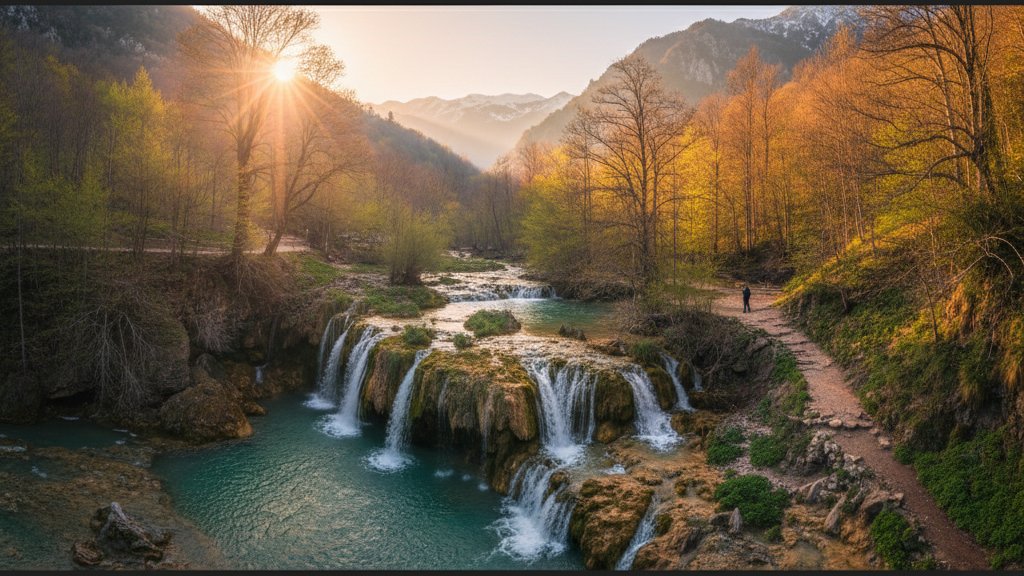
Albania's waterfalls remain among Europe's best-kept natural secrets. While coastal destinations like Saranda and Vlora draw summer crowds, the country's interior valleys hide dozens of powerful cascades tucked into limestone gorges and alpine forests. Unlike the well-trodden Blue Eye spring near Saranda, these waterfalls require proper planning, a capable vehicle, and often a 30-90 minute hike on unmarked trails. The reward is witnessing 15-30 meter falls crashing into emerald pools with virtually no other visitors present.
Reaching these sites typically means driving 60-120 km from Tirana on progressively narrower roads, parking at a trailhead, and hiking through beech and pine forest. A rented SUV or crossover handles the unpaved approach roads far better than a sedan. The journey to waterfalls like Grunas or Sotira becomes part of the adventure itself, with switchbacks climbing through mountain villages where shepherds still guide flocks across the SH21 highway.
Why Albania's Waterfall Culture Matters
Albanian folklore treats waterfalls as living entities with protective powers. In northern Gheg tradition, waterfalls mark boundaries between human settlements and wild mountain territory inhabited by zana (mountain spirits). Villagers in Theth and Valbona historically believed that bathing in waterfall pools during the spring equinox brought good health for the coming year. This cultural reverence means locals treat these sites with respect rather than developing them for mass tourism.
Modern Albania preserves this relationship through minimal infrastructure at waterfall sites. You will not find paved paths, guardrails, or visitor centers at places like Sotira or Nivica. The Albanian government designated several waterfall valleys as protected landscape areas in 2019, limiting road construction and commercial development. This preservation approach keeps the waterfalls pristine but also means visitors must be self-sufficient with navigation, food, and emergency preparedness.
The seasonal timing of visits reflects agricultural calendars inherited from Ottoman and earlier Illyrian periods. May through September offers stable weather and accessible trails, while October through April brings snowmelt that increases flow volume but makes unpaved roads impassable. Local guides from Shkoder and Kukes base their waterfall tour schedules on these traditional patterns, avoiding the period when shepherds move flocks to high pastures and trails become congested with livestock.
Top Five Hidden Waterfalls Worth the Drive
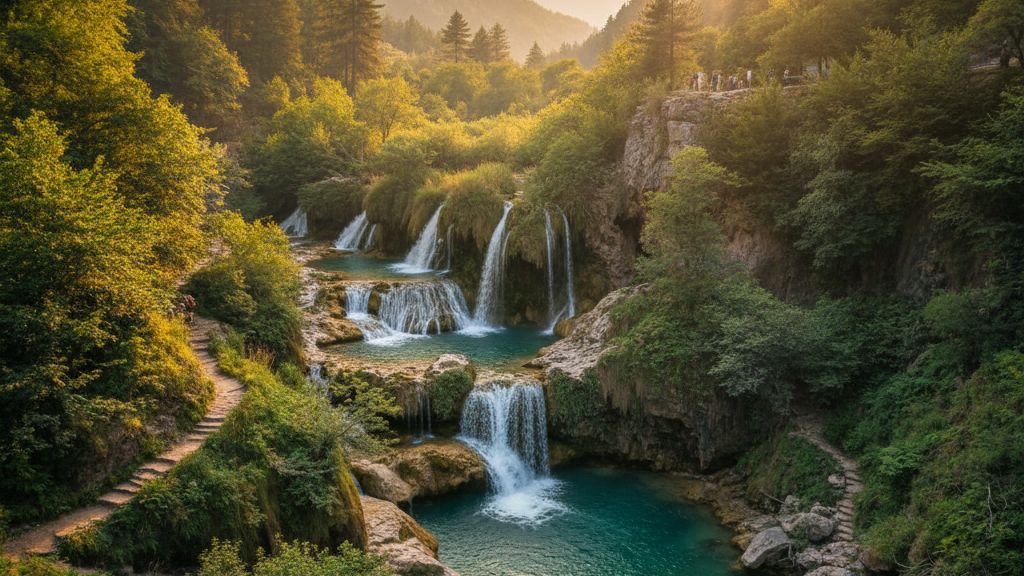
Grunas Waterfall in the Tropoja district stands 30 meters tall and drops into a circular basin carved from white limestone. The trailhead lies 18 km east of Bajram Curri on the SH5 highway toward the Kosovo border. Park near the stone bridge at coordinates 42.3856 N, 20.1342 E and follow the unmarked path upstream along the left bank. The 45-minute hike gains 180 meters elevation through oak and beech forest. Water flow peaks in May when snowmelt from the Korab massif feeds the Valbona River system. The pool below the falls reaches 3-4 meters depth and maintains 12-14 degrees Celsius even in July, making it suitable only for brief swims.
Thethi Waterfall requires the longest approach but delivers the most dramatic setting. From Shkoder, drive 70 km north on the SH21 then turn east onto the unpaved road toward Thethi National Park. The 25 km mountain road takes 90 minutes in an SUV with high clearance. Park at the Thethi village guesthouse cluster and hike 6 km southwest toward the Blue Eye of Theth. The waterfall appears after crossing three wooden bridges over the Theth stream. The 25-meter cascade drops over a limestone ledge into a gorge where sunlight penetrates only between 11 AM and 2 PM in summer. Villagers maintain the trail as part of the Peaks of the Balkans trekking route.
Langarica Waterfall near Permet offers the easiest access from southern Albania. Drive 12 km south from Permet on the SH75 toward the Greek border and turn west at the Benja thermal baths sign. A gravel road continues 4 km to a parking area. The 30-minute hike follows the Langarica Canyon through pine forest. The waterfall drops 18 meters over a travertine formation similar to Plitvice Lakes in Croatia. The unique feature here is the thermal spring emerging 50 meters downstream, creating a warm zone where the water reaches 22 degrees Celsius even as snowmelt feeds the main cascade.
Sotira Waterfall in the Skrapar district remains virtually unknown outside the Berat region. From Corovoda, take the SH72 east for 23 km toward Gramsh, then turn north onto an unmarked dirt road near the village of Zhepova. The 8 km approach requires 4x4 capability during wet months. The waterfall itself drops 22 meters into a moss-covered grotto where the Osumi River cuts through limestone. The pool reaches 5 meters depth and local swimmers claim it never warms above 10 degrees Celsius. The site sees fewer than 200 visitors per year based on the single guestbook at the trailhead.
Nivica Waterfall near Shkoder provides the best option for visitors without AWD vehicles. From Shkoder's roundabout with the SH1 highway, drive 8 km northeast on the Kopliku road and turn east at the brown waterfall sign. A maintained gravel road continues 3 km to a parking area serving both the waterfall and a small chapel. The 20-minute hike is well-marked and suitable for children. The 15-meter cascade flows year-round because it drains Lake Shkoder's underground aquifer system. The site gets busy on Albanian national holidays (November 28, Independence Day) but remains quiet on weekdays.
Driving and Parking Logistics
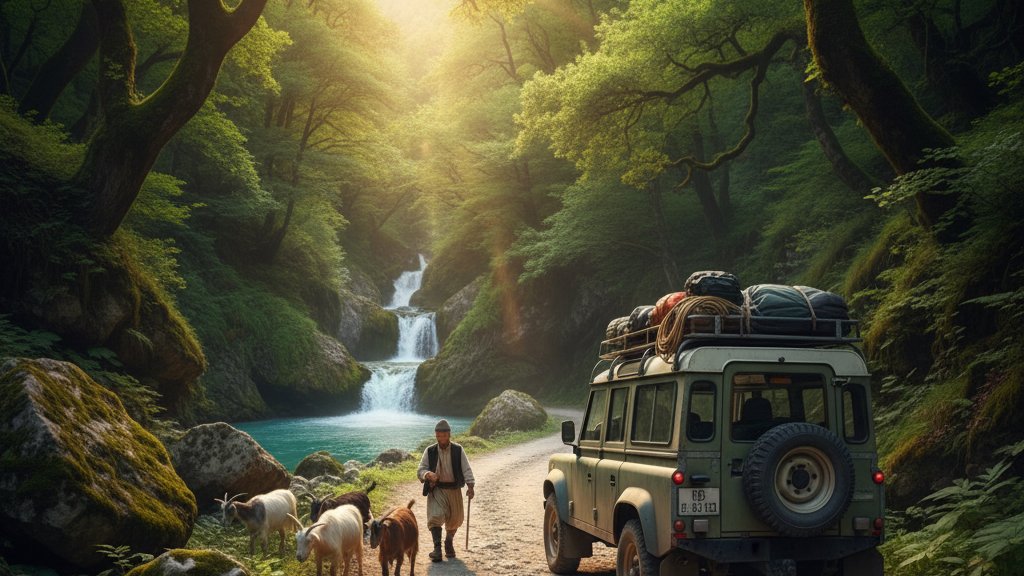
The vehicle you choose determines which waterfalls remain accessible. A Dacia Duster or similar compact SUV handles 80 percent of waterfall approach roads during summer months. The critical specification is ground clearance above 180 mm and all-season tires with intact tread. Front-wheel drive suffices for Nivica, Langarica, and Bogova Falls. Thethi, Sotira, and Grunas require four-wheel drive during April-May snowmelt and September-October rain periods. The Shkoder and Durres rental offices stock more 4x4 options than coastal locations.
Fuel availability becomes a planning factor for remote waterfalls. The road to Thethi passes no fuel stations after Shkoder. Grunas and Sotira approaches have single-pump stations in mountain villages that may close after 6 PM or run out of diesel on weekends. Fill your tank before leaving the main highway and carry a 10-liter reserve if visiting multiple sites in one day. Calculate 8-12 liters per 100 km on mountain roads due to constant elevation changes.
Parking at trailheads follows informal rules developed by locals and tour guides. Leave space for through traffic on narrow mountain roads even if this means walking an extra 200 meters. Lock vehicles and hide valuables beneath seats - theft remains rare but occurs in areas where guesthouses attract budget travelers. Several Thethi guesthouses offer guarded parking for 300 lek (2.50 EUR) per day. Do not park in fields or orchards without asking permission even if they appear abandoned. Farmers returning for evening work may block your exit or demand payment.
| Waterfall | Distance from Tirana | Road Surface | Min Vehicle Type | Hike Duration | Best Months |
|---|---|---|---|---|---|
| Nivica | 105 km north | 80% paved | Any sedan | 20 min easy | Year-round |
| Langarica | 185 km south | 75% paved | Crossover | 30 min moderate | April-October |
| Thethi | 145 km north | 45% unpaved | SUV/4x4 | 120 min moderate | June-September |
| Grunas | 170 km northeast | 60% paved | SUV recommended | 45 min moderate | May-September |
| Sotira | 95 km southeast | 55% unpaved | 4x4 required | 50 min difficult | June-August |
Essential Gear and Safety Considerations
Waterfall hiking in Albania demands more preparation than coastal walks. Pack a daypack with 2 liters of water per person, energy-dense snacks (nuts, dried fruit, chocolate), and a basic first aid kit including bandages, ibuprofen, and antihistamines. Trails near waterfalls grow slippery from constant spray - hiking boots with Vibram or equivalent rubber soles provide necessary traction. Sport sandals work for the final approach to swimming pools but not for the hike itself.
Temperature variations surprise visitors accustomed to Mediterranean coastal climates. Waterfall valleys in the Albanian Alps sit 600-1200 meters above sea level and experience microclimates 8-12 degrees cooler than Tirana. Bring a windproof layer even in July. Water temperatures in alpine waterfall pools never exceed 14 degrees Celsius and can cause cold shock if you jump in after a hot hike. Locals recommend gradual entry and limiting swimming time to 10-15 minutes.
Cell phone coverage vanishes in most waterfall valleys. Download offline maps before departing - the Albanian Topo Maps layer in Maps.me provides accurate trail data for Thethi, Valbona, and Nivica areas. Inform your guesthouse or rental company of your planned route and expected return time. Carry a fully charged power bank since phone GPS drains batteries quickly in areas with weak signals. The emergency number 112 works across Albania but response times in mountain regions range from 90 minutes to 3 hours.
Swimming safety follows different rules than beach swimming. Test depth with a stick before jumping - pools contain submerged logs and rocks invisible through turbulent water. The current near waterfall bases creates undertow that can pull swimmers beneath the cascade. Local guides recommend entering pools from downstream areas where water flows calmly. Avoid swimming alone and never after consuming alcohol. Albanian rescue services lack swift-water teams outside Shkoder and Kukes.
Seasonal Timing and Weather Patterns
May brings the most dramatic water flows as snowmelt from peaks above 2000 meters reaches valley floors. Waterfalls like Grunas triple their normal volume, creating roar audible 500 meters away. The tradeoff is muddy trails and unpredictable weather. Mountain storms develop rapidly in May, bringing hail and lightning to exposed ridges. Check the Albanian Institute of Geosciences weather portal before departing and postpone hikes if afternoon thunderstorms are forecast above 60 percent probability.
June through August offers the most reliable conditions for waterfall visits. Trails dry out completely by mid-June and remain passable through September. Water levels decrease to 40-60 percent of spring maximum but swimming becomes comfortable in pools that warm to 16-18 degrees. The Albanian Alps receive 20-25 days of clear weather per month during summer. Start hikes before 9 AM to avoid afternoon heat and reach waterfalls when low-angle sunlight creates rainbow effects in the spray.
September and October provide excellent conditions for experienced hikers willing to accept weather uncertainty. Autumn colors peak in beech forests from late September through mid-October, creating photographic opportunities absent in summer. Water flows increase again as September rains begin. The risk is early snowfall above 1500 meters that can close mountain roads without warning. Check with guesthouses in Theth or Valbona about current road conditions before attempting autumn waterfall visits.
Winter and early spring make most waterfalls inaccessible to casual visitors. The Thethi road closes completely from late November through April. Lower elevation sites like Nivica and Langarica remain theoretically reachable but require tire chains and 4x4 capability. Several waterfalls partially freeze during January-February cold snaps, creating ice formations popular with local photographers. Specialized winter waterfall tourism exists but requires engaging guides from Albanian Alpine Club who provide proper equipment and avalanche assessment.
Hiring Local Guides vs Independent Exploration
The decision to hire a guide depends on your comfort with unmarked trails and basic Albanian language ability. Guides based in Shkoder charge 40-60 EUR per day for waterfall tours including transport in their 4x4 vehicles. This option works well for single travelers or couples who want cultural context and local knowledge. Guides know which pools are deep enough for diving, where to find wild blueberries along trails, and how to read weather signs in cloud formations.
Independent exploration becomes feasible with proper preparation and offline maps. The Thethi and Valbona valleys have enough foot traffic that trails remain visible even without markers. Waterfall day trips from Shkoder or Bajram Curri allow you to explore at your own pace and skip crowded lunch spots where guides take groups. The risk is navigation errors that add hours to hikes or lead to dead-ends at cliffs. Carry physical compass as backup since phone compasses malfunction near magnetic rock formations common in Albanian limestone mountains.
Tour companies in Tirana offer multi-day waterfall circuits combining Thethi, Valbona, and Theth in 3-4 day packages. These tours provide logistics and accommodation but move on fixed schedules that limit time at each waterfall. They work well for visitors with limited Albania time who want guaranteed access to multiple sites. The per-day cost runs 80-120 EUR including transport, guide, guesthouse lodging, and meals. Book through companies with 2+ years operating history and verified reviews on Google Maps.
Respecting Local Communities and Natural Sites
Waterfall areas overlap with summer pastures where shepherds graze sheep and cattle from May through October. Encountering livestock on trails is normal - give them space and do not approach guardian dogs. The dogs bark aggressively but rarely attack if you stop moving and speak calmly. Shepherds appreciate greetings in Albanian (Miremengjes/good morning, Miremdita/good afternoon) and may offer directions if you appear lost.
Leave-no-trace principles apply strictly at Albanian waterfalls. Carry out all trash including orange peels and cigarette butts which take years to decompose in cold mountain environments. Several waterfalls feed municipal water systems - contaminating pools with soap or shampoo affects downstream villages. Use restrooms at trailhead guesthouses before hiking since waterfall areas lack facilities.
Photography and social media sharing require sensitivity to local norms. Most Albanians welcome visitors photographing landscapes but avoid photographing villagers without asking permission. Women in northern mountain villages maintain conservative dress codes inherited from Kanun law traditions. Do not post exact GPS coordinates of waterfalls on social media as this drives unprepared visitors to fragile sites. Instead share general directions and emphasize the preparation required.
Combining Waterfall Visits with Other Destinations
Efficient routing combines waterfall visits with thermal spring stops and mountain guesthouses to minimize backtracking. A northern loop from Tirana covers Nivica Waterfall (1 day), Thethi overnight with early morning waterfall visit (2 days), then return via Shkoder. Total driving is 310 km over 3 days. Southern visitors based in Saranda or Vlora can reach Langarica Waterfall as a day trip, combining it with the Permet thermal baths and Byzantine churches in Kelcyra Gorge.
Multi-waterfall itineraries require realistic distance assessment. Driving 180 km from Tirana to Permet, hiking to Langarica Waterfall, then continuing to Saranda totals 7+ hours and leaves no time for enjoying the waterfall. Better to split the journey with overnight stops in Berat or Gjirokaster. The Albanian Riviera beach resorts serve as recovery bases between mountain waterfall trips - alternating active hiking days with beach relaxation prevents fatigue.
Winter alternatives exist for visitors who cannot access mountain waterfalls. The southern Albanian coast has several small coastal waterfalls near Borsh and Lukova where freshwater streams cascade directly into the Ionian Sea. These remain accessible year-round and combine with coastal road drives. The Blue Eye spring near Saranda flows consistently and requires only a 10-minute walk from paved parking, making it suitable for visitors with limited mobility or families with young children.
FAQ
Which Albanian waterfall offers the easiest access for first-time visitors without 4x4 vehicles or extensive hiking experience?
Nivica Waterfall near Shkoder provides the most accessible option with 80 percent paved roads, marked trails, and only 20 minutes of easy hiking. The site has parking facilities and sees regular maintenance during summer months. Langarica Waterfall near Permet offers a slightly longer hike but also features good road access and thermal baths nearby for post-hike relaxation. Both sites work for families with children and visitors driving standard rental sedans.
What realistic driving and hiking time should I budget for visiting Thethi Waterfall as a day trip from Tirana airport?
A Thethi Waterfall day trip requires 12-14 hours total including 3 hours driving each way on the unpaved mountain road from Shkoder (itself 90 minutes from Tirana), 4 hours round-trip hiking with waterfall viewing time, and rest stops. Starting before 6 AM allows return to Tirana by 8 PM. Most visitors prefer splitting this into a 2-day trip with overnight accommodation in Thethi guesthouse, which provides time to enjoy the waterfall and explore the Lock-in Tower and Blue Eye of Theth.
Are Albanian waterfall pools safe for swimming and what water temperatures should I expect during summer months?
Alpine waterfall pools maintain 10-14 degrees Celsius even in July due to snowmelt and underground spring sources. Lower elevation waterfalls like Langarica warm to 16-18 degrees. Test pool depth before entering and avoid areas directly below cascades where undertow occurs. Locals recommend limiting swimming to 10-15 minutes to prevent hypothermia. Pools are generally safe for strong swimmers but lack lifeguards or rescue equipment - never swim alone or after alcohol consumption.
How much does it cost to hire a local guide for waterfall tours and what services do they typically provide?
Independent guides based in Shkoder and Bajram Curri charge 40-60 EUR per day for private waterfall tours including 4x4 transport to trailheads and trail guidance. Groups of 3-4 people split this cost. Guides provide cultural context about local villages, identify safe swimming areas, and handle navigation on unmarked trails. They typically do not provide meals or accommodation but recommend guesthouses along the route. Multi-day tour packages through Tirana companies cost 80-120 EUR per person daily including lodging.
What cell phone coverage and emergency services exist near remote Albanian waterfall locations?
Cell coverage vanishes in most waterfall valleys including Thethi, Grunas, and Sotira. Albanian mobile networks (Vodafone, Telekom Albania) provide signal at trailheads and villages but not during hikes. Download offline maps before departing and inform your accommodation of your planned route. The national emergency number 112 works where signal exists but mountain rescue response times range from 90 minutes to 3 hours. Carry a charged power bank and basic first aid supplies.
Which months provide the best balance between dramatic water flow and comfortable hiking conditions at Albanian waterfalls?
Late May through June offers peak water flow from snowmelt while trails dry enough for comfortable hiking. July and August provide the most reliable weather and warmest swimming temperatures but reduced water volume. September delivers excellent conditions with autumn colors and moderate temperatures though afternoon thunderstorms increase. Avoid April due to muddy trails and October-November when mountain roads may close from early snow above 1200 meters elevation.