Albanian Summer Nights: A Journey from Coastal Bars to Urban Dance Floors

Albania transforms dramatically after sunset during the summer months. The country that spent decades isolated from global tourism now hosts one of the most authentic and rapidly evolving nightlife scenes in the Mediterranean. From June through September, the combination of warm Adriatic evenings, affordable pricing compared to neighboring Greece and Italy, and a genuinely enthusiastic local crowd creates an atmosphere that feels both undiscovered and genuinely welcoming.
The Albanian approach to nightlife differs notably from the programmed experiences common in major European resort destinations. Here you will find family-owned beach bars that have operated for just a few seasons alongside newly opened clubs managed by diaspora Albanians returning from years abroad. The mixing of traditional hospitality values with contemporary music and design trends produces venues that feel organic rather than manufactured for tourist consumption.
The Coastal Evening Circuit: Beach Bars Along the Albanian Riviera
The stretch of coastline from Vlora southward to Saranda contains dozens of beach bars that define the relaxed dimension of Albanian summer nightlife. Unlike the super-clubs of Ibiza or Mykonos, these establishments typically occupy simple structures with wooden decks extending toward the water. The focus remains on conversation, the view, and quality drinks rather than celebrity DJs or bottle service spectacle.
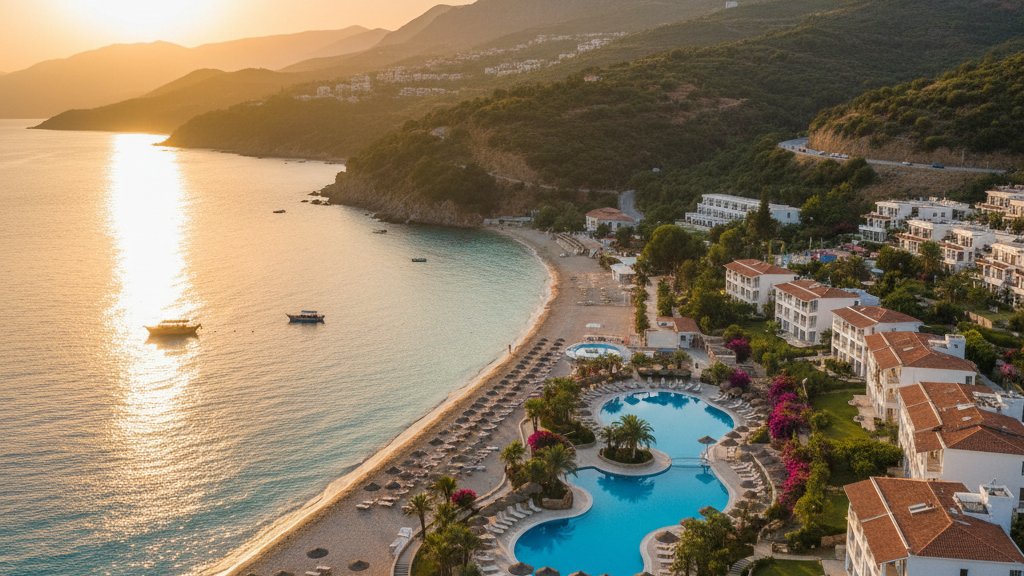
Jale Beach operates approximately 30 km south of Vlora near the village of Dhermi. The bay itself curves gently with white pebble beaches meeting remarkably clear water that glows turquoise even in twilight. By day the beach hosts sunbathers and swimmers; after 6 PM the transformation begins. Beach bars such as Pirate Bar and Havana Beach Club arrange chairs facing the sunset while staff prepare fresh seafood and cocktails. The music typically starts with acoustic sets or chill electronic before gradually building energy as darkness arrives. Weekend nights from July through August often feature live Albanian and Kosovar musicians performing contemporary Balkan pop alongside international house music.
Dhermi Beach, slightly north of Jale, attracts a younger demographic with several venues known for extended parties. The full moon gatherings here have become somewhat legendary among backpackers and young Albanians from Tirana. These events typically run from sunset until 4 or 5 AM with bonfires on the beach and multiple DJs rotating through sets. The atmosphere remains remarkably safe and friendly despite the late hours and alcohol consumption, reflecting broader Albanian cultural patterns around nightlife hospitality.
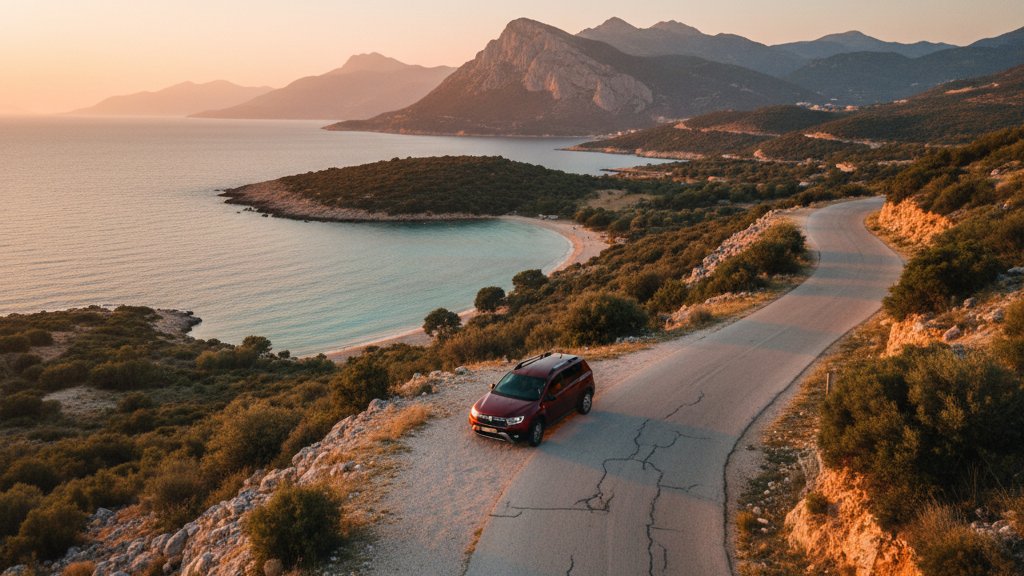
Traveling between these coastal venues presents the primary challenge. Public buses stop running by early evening, and taxi services remain limited in beach areas. Having your own vehicle allows you to experience multiple locations in a single evening and ensures safe return transport regardless of how late you stay. The SH8 coastal road connecting these beaches offers spectacular night driving with the sea visible under moonlight and minimal traffic after 10 PM.
Mountain Pass Music: Open-Air Concerts in Elevated Settings
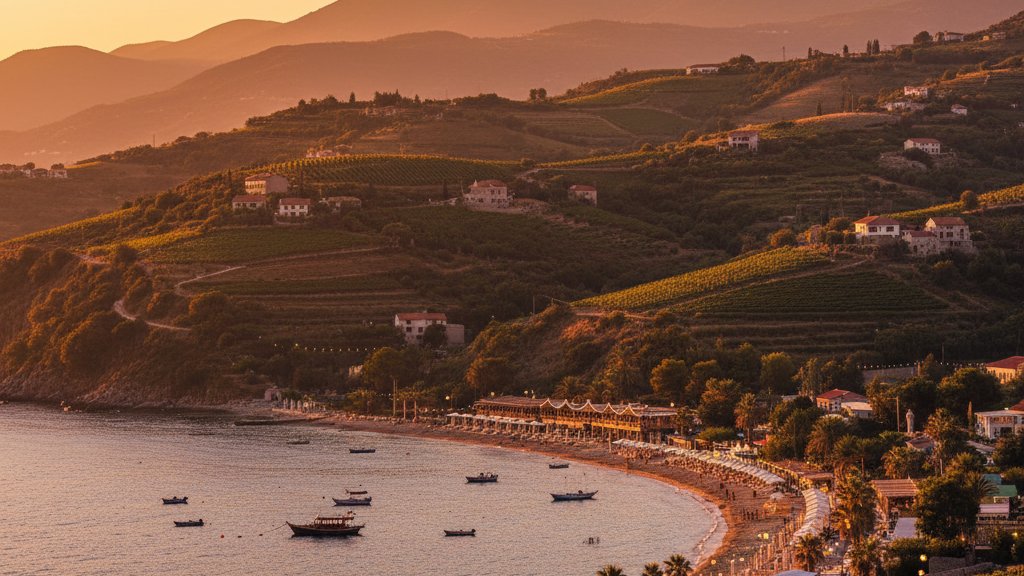
Albania has developed a distinct tradition of hosting music festivals and concerts in dramatic natural settings rather than conventional urban venues. The geography provides countless locations where mountain amphitheaters or seaside cliffs create acoustic environments that enhance rather than compete with amplified music.
Llogara National Park, positioned at 1,027 meters elevation on the pass between Vlora and the southern beaches, hosts several events each summer. The Llogara Mountain Festival typically occurs in late July with three stages featuring Albanian folk musicians, Balkan brass bands, and electronic acts. The temperature at this elevation remains comfortable even during peak summer heat, and the view southward over the Ionian coast provides a backdrop unlike any conventional concert venue. Access requires driving the SH8 highway which climbs through 17 km of switchbacks from sea level. The road surface improved significantly in recent years but still demands attention particularly after dark. A vehicle with adequate power for mountain grades makes this journey considerably more pleasant.
Tirana hosts frequent open-air concerts in Mother Teresa Square and Skanderbeg Square from June through September. These free events feature both Albanian pop stars and occasional international acts performing for crowds of several thousand. The city provides much easier logistics than mountain festivals, with ample street parking within walking distance and late-running public transport. For visitors staying in coastal areas who want to experience Tirana nightlife, the 140 km drive from Saranda or 60 km from Durres remains manageable for an evening trip.
Urban Energy: Tirana After Dark
The capital city concentrates the most developed and diverse nightlife options in Albania. Tirana went from a quiet socialist city of 200,000 to a metropolitan area of 900,000 in just three decades. This rapid growth brought international influence while the population retained distinctly Albanian social customs. The result is nightlife that simultaneously feels familiar to anyone who knows Berlin or Barcelona yet maintains local character in how spaces operate and crowds interact.
The Blloku neighborhood, located southwest of Skanderbeg Square, represents the epicenter of premium nightlife. This area was restricted to communist party elites until 1991; today it contains the highest concentration of upscale bars, restaurants, and clubs in the country. Venues like Privilege Club and Folie Terrace attract crowds dressed in designer fashion with music policies favoring international house and techno. Cover charges typically range from 500 to 1,000 lek (5 to 10 EUR) on weekend nights with drinks priced at European capital levels. The clientele includes wealthy young Albanians, diaspora visitors from Switzerland and Germany, and expats working in Tirana business sectors.
Rruga Murat Toptani and the surrounding streets in the old bazaar district offer a contrasting nightlife style. Here you find bars occupying converted Ottoman-era buildings with stone walls and wooden beam ceilings. The music leans toward live Albanian folk-rock or Balkan brass bands rather than electronic genres. Prices drop by half compared to Blloku, and the atmosphere feels more inclusive of different age groups and economic backgrounds. This area comes alive particularly on Wednesday through Saturday nights when groups of friends gather for extended evenings of conversation and drinking that often continue until 2 or 3 AM.
Planning to explore multiple nightlife districts in one evening? Renting a car in Tirana provides the flexibility to move between Blloku clubs and old town bars without depending on limited late-night taxi availability.
Practical Transportation Considerations for Night Travel
Albanian nightlife timing differs slightly from patterns in Western Europe. Bars and restaurants begin filling around 9 PM rather than earlier evening hours. Clubs typically remain quiet until 11 PM or midnight with peak crowds arriving between 1 and 2 AM. Many venues continue operating until 4 or 5 AM particularly on Friday and Saturday nights. This schedule creates transportation challenges since public buses stop running between 10 PM and midnight in most cities, and the taxi infrastructure remains underdeveloped outside Tirana.
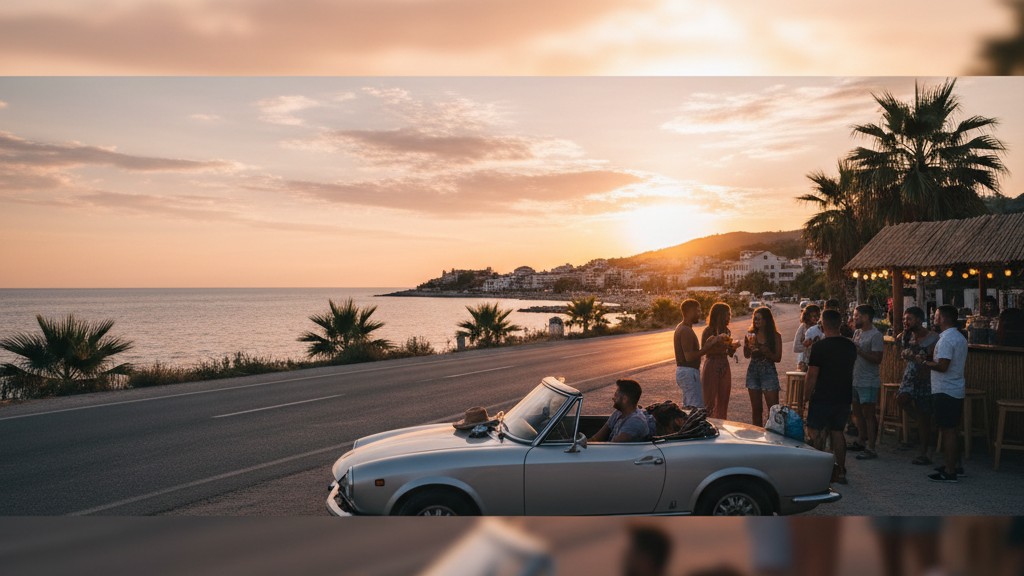
Driving yourself offers significant advantages for accessing coastal nightlife. The distances between beach venues often span 10 to 20 km along winding coastal roads with no intermediate transport options. Having a vehicle allows you to leave one location and try another without being stranded. Albanian drink-driving laws impose strict penalties with 0.01% blood alcohol limit for regular drivers and zero tolerance for those under 21 or with less than two years driving experience. Police conduct frequent checkpoint stops on coastal roads during summer weekends. The cultural approach in Albania involves designating one person in a group to remain completely sober while others drink, rotating this responsibility across different outings.
Parking availability varies considerably by location. Beach venues typically offer unpaved lots adjacent to establishments. Tirana requires more strategic planning with most street parking spaces occupied by early evening in Blloku. Several paid parking garages operate near the neighborhood center with 24-hour access and reasonable overnight rates of 200 to 300 lek. The roads between Tirana and coastal areas see minimal traffic after 10 PM making night drives considerably faster than daytime journeys though attention to road conditions remains important as lighting varies by section.
Seasonal Patterns and Peak Period Planning
Albanian summer nightlife follows a clear seasonal arc. June represents the building phase when beach venues open and city clubs begin hosting international DJ guests. The energy remains moderate with primarily Albanian visitors and early-season European tourists. July marks the transition to peak season particularly after the 15th when school holidays begin across much of Europe. Coastal venues reach capacity on weekends requiring advance table reservations at popular beach bars. August sustains maximum activity throughout the month with the weekend of August 15 historically representing the busiest period. Beach bars that might accommodate walk-in groups in June turn away crowds in mid-August. September brings a gradual wind-down with the first two weeks remaining quite active before thinning considerably after September 20 as university terms begin and families return home.
For visitors seeking vibrant nightlife without extreme crowds, late June or the first half of September offer optimal conditions. The weather remains excellent with daytime temperatures around 28-32 degrees Celsius and comfortable evenings of 22-25 degrees. Venues operate full programs and staffing but without the overwhelming masses that characterize peak August. Accommodation costs drop by 30 to 50 percent compared to August rates while car rental availability improves substantially.
Regional Variations Beyond Tirana and the Riviera
While Tirana and the southern coast dominate discussions of Albanian nightlife, other cities offer distinct evening experiences worth exploring. Durres, positioned just 38 km west of Tirana on the Adriatic coast, combines elements of beach culture with urban density. The waterfront promenade comes alive each evening with families, couples, and friend groups strolling between cafes and bars. The music tends toward commercial pop and Albanian folk-pop rather than electronic genres. Venues remain more casual than Tirana establishments with less emphasis on dress codes or exclusivity.
Shkodra in northern Albania attracts far fewer tourists but hosts an authentic local scene centered around the city center pedestrian zone. Several bars near Sheshi Demokracia feature live traditional music on weekend nights with older musicians performing songs from the Gheg Albanian repertoire. The crowds skew toward 30 to 50 year-olds rather than the 20-something demographic that dominates southern beach bars. This offers a window into how Albanians themselves socialize outside the tourist-influenced environments of the coast.
Saranda nightlife occupies a middle ground between relaxed beach bars and urban club energy. The waterfront promenade hosts numerous bars and restaurants with outdoor seating facing the bay and Corfu island visible across the water. Music volume rises considerably after 10 PM when many venues switch to DJ sets. The town attracts significant numbers of Greek visitors on weekend trips from Corfu creating a somewhat international atmosphere. The compact layout means you can walk between most venues within 10 to 15 minutes though having a car enables evening trips to nearby Ksamil beach bars 15 km south.
| Location | Nightlife Style | Peak Season | Typical Music | Average Venue Hours |
|---|---|---|---|---|
| Jale Beach | Sunset parties, beach bars | July - August | House, chill electronic | 6 PM - 2 AM |
| Dhermi Beach | Late-night beach clubs | July - August | Electronic, Albanian pop | 8 PM - 5 AM |
| Tirana Blloku | Upscale clubs and lounges | Year-round | House, techno, international | 9 PM - 4 AM |
| Tirana Old Town | Traditional bars, live music | Year-round | Albanian folk-rock, brass | 8 PM - 2 AM |
| Saranda Promenade | Waterfront bars, restaurants | June - September | Commercial pop, Greek music | 7 PM - 2 AM |
| Durres Waterfront | Casual beachfront venues | June - September | Albanian pop, international hits | 7 PM - 1 AM |
Safety and Cultural Navigation
Albania maintains remarkably low rates of violent crime particularly in tourist areas and nightlife districts. The cultural value placed on hospitality means foreign visitors generally experience friendly treatment and assistance when needed. However, certain practical awareness helps ensure smooth experiences. Pickpocketing occurs occasionally in very crowded venues though at much lower rates than major European cities. Keeping valuables secure and maintaining awareness in dense crowds provides adequate protection.
Albanian nightlife culture involves considerable alcohol consumption but public intoxication rarely leads to aggression. The social pattern emphasizes collective responsibility where friend groups look after members who overindulge. Solo travelers and small groups typically find it easy to socialize with Albanians in bar settings as curiosity about foreign visitors remains high and English language skills have improved dramatically among younger generations. Women traveling alone or in female groups report feeling safe in mainstream nightlife venues though as anywhere basic awareness and avoiding excessive isolation in unfamiliar areas remains sensible.
Smoking remains prevalent in Albanian nightlife venues despite official indoor smoking bans. Many bars and clubs ignore enforcement resulting in smoky environments that may surprise visitors from countries with stricter implementation. Outdoor seating and beach venues provide relief for those sensitive to smoke exposure. Card payment acceptance has expanded significantly in urban venues but cash remains necessary at many beach bars and smaller establishments. ATMs are widely available in cities but scarce in beach areas so planning cash needs in advance prevents inconvenience.
FAQ
What time does nightlife typically start in Albanian coastal towns during summer, and how late do venues stay open on average?
Beach bars along the Albanian Riviera generally open around 6 PM for sunset viewing and gradually increase energy through the evening. Peak activity occurs between 10 PM and 2 AM with some venues continuing until 4 or 5 AM on weekends during July and August. City clubs in Tirana follow similar timing but remain quiet until 11 PM or midnight when crowds begin arriving. Albanian nightlife culture embraces late schedules with main energy often not starting until after midnight particularly on Friday and Saturday. This timing requires planning transportation accordingly since public transport ceases operating by midnight in most areas.
Is it safe to drive the coastal road between beach nightlife venues at night, and what specific road conditions should drivers expect?
The SH8 coastal highway connecting beach venues from Vlora to Saranda has seen substantial improvements but still requires attentive driving after dark. The road alternates between well-maintained sections with clear markings and older portions with narrow lanes and limited lighting. Traffic volume drops significantly after 10 PM making actual driving easier than daytime but reduced visibility on curves demands reduced speeds. The section crossing Llogara Pass involves particularly winding ascent and descent with minimal lighting and steep drop-offs. Albanian drivers familiar with the road often travel faster than advisable for visitors encountering it the first time at night. Allow extra time and maintain conservative speeds particularly if unfamiliar with the route. Police checkpoints for drink-driving occur frequently on summer weekends so designating a completely sober driver is essential.
How do drink-driving laws work in Albania, and what are the cultural practices around alcohol consumption and driving?
Albanian law sets blood alcohol limits at 0.01% for standard drivers and zero tolerance for drivers under 21 or with less than two years licensed experience. These strict limits effectively prohibit any alcohol consumption before driving. Penalties include fines starting at 30,000 lek (approximately 300 EUR) and potential license suspension. Police conduct regular checkpoint stops particularly on coastal roads during summer weekends and near major nightlife areas. The widespread Albanian cultural practice involves designating one person in a friend group to remain completely sober while others drink, rotating this responsibility across different outings. This approach allows groups to enjoy nightlife while maintaining safe transportation. Attempting to drive after any alcohol consumption risks both legal penalties and safety in a country where road conditions demand full attention even when sober.
What is the typical cost structure at Albanian beach bars and city clubs, and do venues require reservations during peak season?
Beach bars typically charge no entrance fee but expect beverage and food purchases. Cocktails range from 500 to 800 lek (5 to 8 EUR) while local beer costs 250 to 400 lek. Many venues offer table reservations with minimum spending requirements of 5,000 to 10,000 lek per table during peak July and August weekends. Without reservations during this period, finding seating at popular spots becomes difficult after 9 PM. City clubs in Tirana Blloku district charge entrance fees of 500 to 1,000 lek on weekends with higher drink prices than beach venues. Some establishments waive cover charges for women or groups arriving before midnight. Making reservations for weekend nights in August at well-known beach bars is strongly recommended to avoid disappointment or being relegated to standing-room areas.
Beyond Tirana and the southern beaches, which other Albanian cities offer worthwhile nightlife experiences during summer months?
Durres provides the most accessible alternative with a developed waterfront promenade hosting numerous bars and restaurants. Located just 38 km from Tirana via highway, Durres combines beach atmosphere with urban convenience. The nightlife style remains more casual and family-friendly than Tirana clubs or southern beach parties. Shkodra in northern Albania offers authentic local nightlife centered around the pedestrian zone near Sheshi Demokracia with several venues featuring live traditional music. Vlora serves as the gateway to the southern beaches and has its own waterfront nightlife district with bars and clubs popular among Albanian visitors. Berat, though primarily known as a historic UNESCO site, has a small but charming bar scene in the old town area attracting younger Albanians and backpackers. These secondary cities provide insight into how Albanians socialize outside the tourist-influenced environments of peak destinations.