
How Far is Corfu from Albania? Distance, Ferry Routes & Travel Options
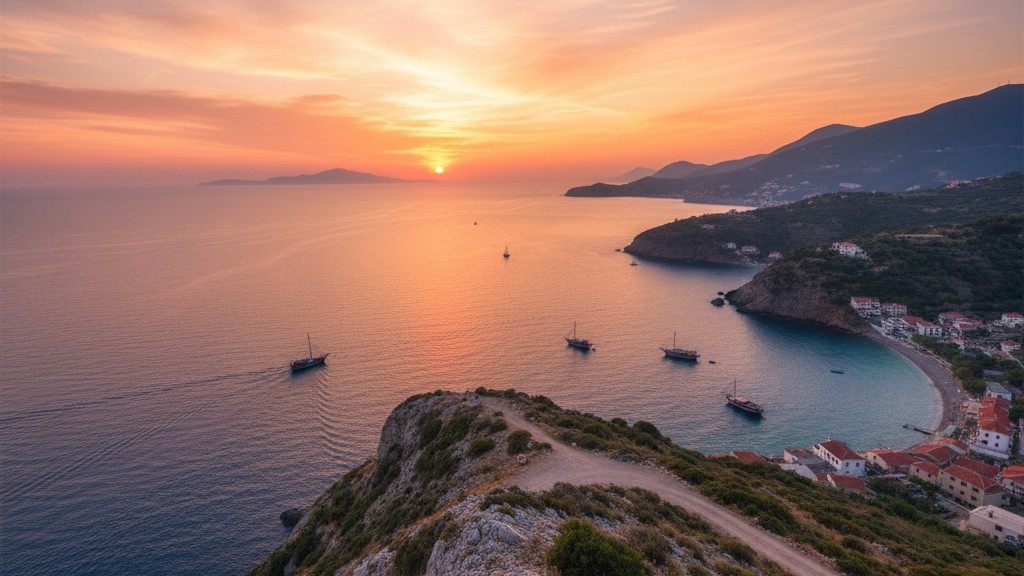
Corfu sits in the Ionian Sea as one of Greece's most visited islands, while Albania stretches along the eastern Adriatic and Ionian coasts just across the water. Many travelers exploring the Albanian Riviera wonder exactly how far Corfu lies from the mainland - the answer might surprise you. At the narrowest point, the southern tip of Corfu and the Albanian coastline near Saranda are separated by merely 3.2 kilometers of open water. On clear days, you can stand on the beaches of Ksamil and see the green hills of Corfu rising from the sea without any optical aid.
This proximity has shaped centuries of cultural exchange between Albania and the Greek islands, and today it creates unique opportunities for travelers who rent a car in Saranda to combine an Albanian road trip with an island escape. The short distance means that ferry connections operate regularly during the tourist season, turning Corfu into a convenient day trip or extended addition to your Albanian itinerary. Understanding the actual distances, ferry routes, and travel logistics helps you plan a seamless cross-border journey that maximizes your time exploring both destinations.
The Geography: Where Albania and Corfu Meet
Albania's coastline curves southward from Vlora through the Albanian Riviera, reaching its closest approach to Corfu at the waters near Saranda and Ksamil. The strait between Corfu and Albania represents one of the narrowest gaps between two countries in the Mediterranean region. At 3.2 kilometers at the tightest point, the channel connects the Ionian Sea's northern waters with its southern reaches, creating a natural marine corridor that has served sailors for millennia.
The Albanian side features the Butrint National Park peninsula, which juts westward toward Corfu, bringing the mainland even closer to the island. The Greek island itself measures roughly 60 kilometers in length and up to 30 kilometers in width, with its eastern coast facing Albania across this strait. The topography on both sides features limestone hills rising from the shoreline - Corfu's mountains reach 906 meters at Mount Pantokrator, while the Albanian coast behind Saranda climbs into the Muzina range at similar elevations.
This geographical proximity means that the same weather systems affect both coasts simultaneously, with the prevailing westerly winds from the Adriatic reaching Corfu first before continuing to the Albanian shore. The marine environment supports similar ecosystems, with dolphin sightings common in the strait and sea turtles nesting on beaches on both sides. The underwater topography shows a relatively shallow channel with depths of 60-80 meters at the center of the strait, making it navigable for all ferry classes while preserving clear visibility of the opposite shore even at the widest crossing points.
Ferry Routes Connecting Albania and Corfu
The primary ferry connection operates between Saranda port on the Albanian side and Corfu town (Kerkyra) on the Greek island. This route covers approximately 30 kilometers of water distance, with modern car ferries completing the crossing in 30 to 40 minutes under normal sea conditions. Saranda's port serves as the main gateway, handling both passenger ferries and vehicle-carrying vessels that allow travelers to bring rental cars across the border - though you must verify international travel permission with your car rental company in Albania before attempting to board with a vehicle.
Alternative routes operate during peak summer season from Himara and occasionally from Vlora to Corfu, though these services run less frequently than the Saranda connection. The Vlora to Corfu ferry covers roughly 70 kilometers, requiring 3 to 4 hours for the crossing depending on sea conditions and the specific port of arrival on the Greek side. These longer routes appeal mainly to travelers starting their journey further north along the Albanian coast who want to avoid backtracking to Saranda.
Ferry schedules vary significantly between seasons. From June through September, multiple daily departures operate from Saranda to Corfu, with some days seeing 4-6 crossings in each direction to accommodate tourist demand. The earliest ferries typically depart around 8:00 AM, with the last return crossing from Corfu leaving around 6:00 PM. Outside the peak season, service reduces to 1-2 daily crossings or even suspension during winter months when weather conditions deteriorate and tourist volumes drop. Always verify current schedules before planning your trip, as ferry operators adjust timetables based on bookings and weather forecasts.
Planning to explore both Albania and Corfu? Rent a car in Saranda to reach the ferry port easily, then continue your Riviera adventure when you return from the island - most rental companies allow multi-day trips with the car parked at the port.
Travel Time and Practical Journey Planning
The actual door-to-door travel time between points in Albania and Corfu extends beyond the ferry crossing itself. If you start from Tirana, you face approximately 280 kilometers of driving via the SH4 and SH8 highways to reach Saranda, requiring 4 to 5 hours depending on traffic and road conditions. From central Tirana to the port, through the ferry crossing, and then from Corfu port to a beach resort on the northern part of the island, you should budget 6 to 7 hours total for the journey.
From closer starting points like Ksamil, the logistics simplify dramatically. Ksamil sits just 15 kilometers south of Saranda port, meaning you can drive there in 20 minutes, park your rental car, and catch a ferry with minimal advance preparation. This proximity makes Ksamil an ideal base for travelers planning multiple trips to Corfu, as you can easily make day visits to the Greek island while maintaining accommodation on the Albanian side where costs typically run lower.
Border procedures add time to your journey that pure distance calculations do not capture. Both Albania and Greece participate in separate customs zones - Albania is not an EU member while Greece is - requiring passport control at both departure and arrival ports. During peak summer weeks, queues at the Saranda ferry terminal can extend wait times by 30 to 60 minutes beyond your scheduled boarding time. Arriving at least 90 minutes before your scheduled departure ensures you clear check-in, complete border formalities, and board without stress even during busy periods.
| Route | Distance by Sea | Ferry Duration | Frequency (Summer) | Vehicle Transport |
|---|---|---|---|---|
| Saranda - Corfu Town | 30 km | 30-40 minutes | 4-6 daily crossings | Yes, with permit |
| Himara - Corfu | 45 km | 90-120 minutes | 2-3 weekly | Limited availability |
| Vlora - Corfu | 70 km | 3-4 hours | 1-2 weekly | Seasonal only |
Documentation Requirements for the Border Crossing
Crossing from Albania to Corfu requires valid travel documents regardless of your nationality. EU citizens need only a national ID card for entry to Greece, while non-EU visitors must present a passport with appropriate visa status. Albania allows visa-free entry for many nationalities for stays up to 90 days, but Greece follows EU Schengen rules, meaning travelers must verify their eligibility separately for the Greek side even if they entered Albania without issues.
If you plan to take a rental car on the ferry, the documentation requirements increase substantially. You need written authorization from your rental company specifically permitting international travel to Greece, proof of insurance valid in both countries (often requiring a separate green card supplement), and the vehicle registration documents. Not all Albanian rental companies allow their vehicles to leave the country, and those that do typically charge additional cross-border fees ranging from 20 to 50 EUR for the authorization period. Verify these details when booking rather than discovering restrictions when you reach the port.
Health documentation requirements change periodically, so check current regulations before travel. While COVID-19-related restrictions have largely been lifted as of 2026, other health certificates or travel insurance proof may be required depending on your country of origin. Keep both physical and digital copies of all documents, as ferry companies and border officials may request them at multiple checkpoints during your journey.
Cost Considerations for the Albania-Corfu Journey
Ferry ticket prices fluctuate based on season, booking timing, and passenger class. A one-way foot passenger ticket from Saranda to Corfu costs approximately 20-30 EUR when booked in advance during summer season, with prices dropping to 15-20 EUR for off-season crossings. Return tickets often include a discount compared to purchasing two one-way fares, though flexibility suffers as you commit to specific return dates and times.
Vehicle transport adds substantially to costs. Taking a standard car on the ferry runs 40-60 EUR one way, meaning a return journey with a vehicle can reach 80-120 EUR in ferry charges alone before considering the rental company's cross-border fee. For groups of three or four travelers, taking a car makes economic sense as the per-person cost including vehicle transport often equals or beats multiple foot passenger tickets. Solo travelers or couples generally save money leaving the car in Saranda and crossing as pedestrians.
Accommodation price differences between Albania and Corfu create strategic opportunities. A mid-range hotel room in Saranda or Ksamil typically costs 40-60 EUR per night during summer, while equivalent accommodation in Corfu town or the popular beach resorts runs 80-150 EUR for comparable quality. Basing yourself on the Albanian side and making day trips to Corfu by ferry maximizes your budget, allowing you to enjoy Greek island beaches and culture while sleeping in more affordable Albanian lodging.
Why Travelers Cross Between Albania and Corfu
The short distance creates diverse travel patterns. Many visitors to Albania add a Corfu day trip for beach variety - the Greek island offers famous sandy stretches like Paleokastritsa and Glyfada that differ from the Albanian Riviera's mix of pebble and sand beaches. The cultural contrast also appeals, with Corfu's Venetian-influenced architecture in the old town presenting a distinct atmosphere from Albanian coastal settlements like Saranda despite the geographical proximity.
Conversely, travelers staying in Corfu increasingly take day trips to Albania to visit the UNESCO World Heritage site at Butrint, explore the beaches of Ksamil, or experience the growing restaurant scene in Saranda where prices run significantly lower than Greek island dining. The round-trip ferry journey allows a full day in Albania with time for both archaeological exploration and beach relaxation before returning to Corfu accommodation by evening.
Some itineraries treat the strait as a boundary to cross just once, entering by ferry in one direction as part of a larger Balkans tour. Travelers might fly into Corfu, explore the Greek islands for several days, then ferry to Albania to rent a car in Vlora or Saranda for a road trip north through Albania toward Montenegro or Kosovo. This routing avoids backtracking while connecting two distinct regions separated by just a few kilometers of water but offering dramatically different travel experiences.
FAQ
Can I see Albania from Corfu island or vice versa on a typical day?
Yes, visibility between Albania and Corfu is common on clear days due to the 3.2-kilometer minimum distance at the strait's narrowest point. From beaches in southern Corfu like Agios Georgios, you can see the Albanian mainland without binoculars. Similarly, from Ksamil beach in Albania, Corfu's green hills are clearly visible across the channel. Visibility depends on weather conditions - hazy or overcast days obscure the view, while crisp spring and autumn days offer the clearest vistas. Early morning and late afternoon typically provide better visibility than midday when heat haze can reduce clarity even on otherwise clear days.
Do I need a visa to visit Corfu from Albania if I am not an EU citizen?
Visa requirements depend on your passport and nationality, not your departure point. Albania and Greece maintain separate visa policies, so entering Albania visa-free does not automatically grant Greece entry rights. Check Greece's Schengen visa requirements for your specific nationality before planning the crossing. Many nationalities that enjoy visa-free access to Albania for 90 days also have visa-free Schengen access, but the permitted stay durations may differ. If you hold a valid Schengen visa obtained for another EU country, it covers Greece entry as well. Always verify current requirements through official sources before booking ferry tickets.
Which is the best time of year to cross between Albania and Corfu by ferry?
Late May through mid-September represents the optimal window for Albania-Corfu ferry crossings, with July and August offering maximum service frequency but also highest prices and crowding. June and September provide excellent balance - reliable ferry schedules with multiple daily crossings, pleasant weather on both sides, lower accommodation costs, and fewer tourists competing for ferry bookings. April, May, and October see reduced ferry frequency with possible weather-related cancellations, but travelers willing to build flexibility into their schedule can enjoy off-season rates and uncrowded experiences. Winter months December through March typically see suspended or minimal service due to sea conditions and low demand.
Can I take a rental car from Albania to Corfu on the ferry?
Taking a rental car requires advance permission from your Albanian rental company, as not all permit international travel. When vehicle transport is allowed, expect additional charges of 20-50 EUR for cross-border authorization plus ferry vehicle transport fees of 40-60 EUR each way. You need insurance coverage valid in Greece - typically a green card supplement to your Albanian rental policy. The rental contract must explicitly list Greece as an approved destination, with some companies restricting international travel to newer vehicles only. Book the vehicle ferry space separately from passenger tickets, as capacity for cars is limited especially during peak season weekends.
How much does it cost to travel from Tirana to Corfu including all transport?
Budget approximately 40-60 EUR for the complete journey as a foot passenger using public transport and ferry. A bus from Tirana to Saranda costs 15-20 EUR and takes 5-6 hours, with ferry tickets from Saranda to Corfu adding another 20-30 EUR. If you rent a car in Tirana for the journey, fuel costs for the 280-kilometer drive to Saranda run 30-40 EUR depending on vehicle efficiency, plus rental costs that vary widely by season and booking timing. Adding vehicle ferry transport increases the total by 80-120 EUR for the return crossing, making car rental economical primarily for groups of three or more travelers.
What documents do I need to board the ferry from Albania to Corfu?
All passengers must present valid travel documents - an EU national ID card for EU citizens or a passport with valid entry permission for Greece for all others. Ferry companies verify documents during check-in at Saranda port, with Greek border police conducting additional passport control before boarding. Children need their own passport or be listed on a parent's document depending on their country's regulations. If traveling with a vehicle, carry the rental contract, proof of insurance valid in Greece, vehicle registration, and your driving license. Arrive 90 minutes before departure to complete all document checks without stress, as missing documents results in denied boarding with no refund.

Comments (4)
"I was planning a trip to Albania and was considering visiting Corfu as well, so I did some research on the distance between the two. I found this website and was pleasantly surprised by the informative and easy-to-understand explanation of the distance and transportation options. I appreciated how the article included not only the distance but also the time it takes to travel by different modes of transportation. This information helped me plan my trip more efficiently and I'm now excited to add Corfu to my travel itinerary. Thank you for such helpful content!"
Thank you for sharing your positive experience with the website's informative content. It's great to hear that the distance and transportation options between Albania and Corfu were presented clearly and were helpful in planning your trip. We hope you have a wonderful time exploring both destinations!
Corfu, a beautiful Greek island located in the Ionian Sea, is separated from Albania by a narrow channel. The distance between Corfu and Albania is approximately 3 nautical miles at its narrowest point. The main ports of Albania, Saranda and Vlore, are located in close proximity to Corfu and are easily accessible via ferry or speedboat. The short distance between the two countries makes Corfu an attractive destination for Albanian tourists seeking a quick and convenient vacation abroad.
Thank you for sharing this useful information about the distance between Albania and Corfu, and the transportation options available. It's great to know that these destinations are so close and easily accessible, making it convenient for travelers to explore both Albania and Greece. Your insights are much appreciated!