
How Deep Is the Blue Eye in Albania? A Journey to Syri i Kalter
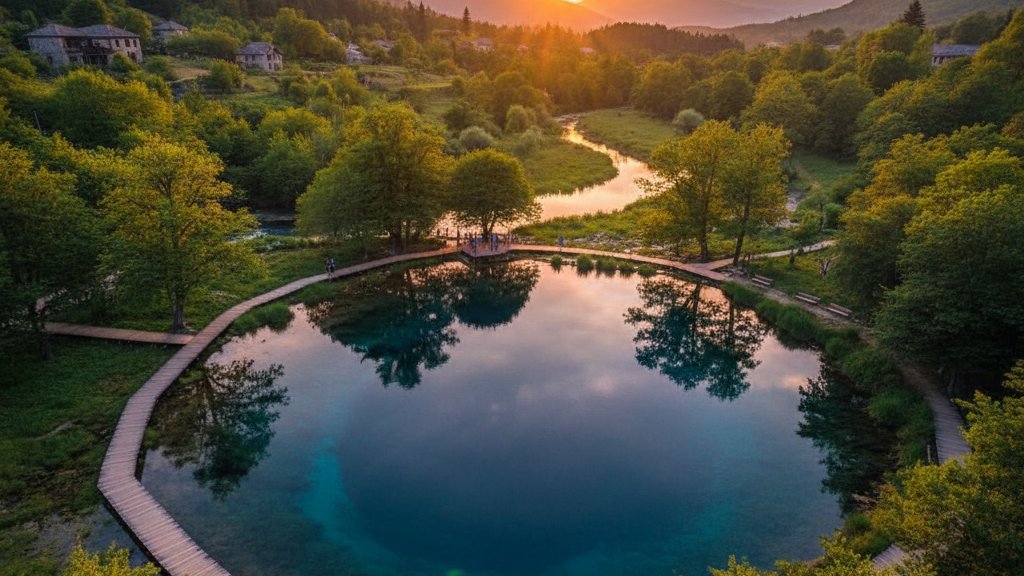
The Blue Eye (Syri i Kalter in Albanian) is one of Albania's most captivating natural wonders, a karst spring erupting from a deep underwater cave with water so clear and blue it seems otherworldly. Located near the village of Muzine, roughly 20 kilometers east of Saranda, this natural spring has fascinated visitors and scientists alike with its mysterious depth and stunning visual effect. The question "how deep is the Blue Eye?" has intrigued explorers for decades, and the answer reveals both scientific achievement and enduring mystery.
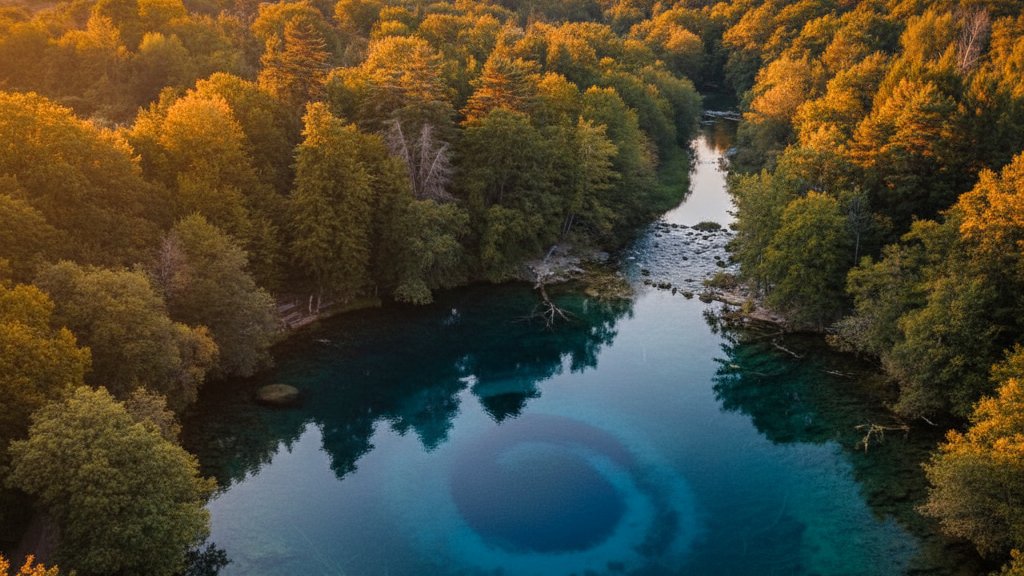
The spring's name comes from its appearance: when viewed from above, the dark blue center surrounded by lighter turquoise water resembles a giant eye staring up from the earth. The water temperature remains constant at approximately 10-13 degrees Celsius year-round, fed by underground aquifers from the Gjirokaster highlands. For travelers planning to visit southern Albania, the Blue Eye offers a perfect complement to the coastal attractions of the Albanian Riviera, and reaching it comfortably from Saranda requires reliable transportation.
The Measured Depth: What We Know About Syri i Kalter
The official measured depth of the Blue Eye is 50 meters, established by a diving expedition in the 1990s. However, this figure represents the limit of what divers could safely explore with the equipment available at that time, not the actual bottom of the underwater cave system. The spring emerges from a vertical shaft that continues far beyond the 50-meter mark, with the true depth remaining unknown despite multiple exploration attempts over the past three decades.
The underwater cave entrance is located approximately 5 meters below the surface, where the vivid blue water darkens dramatically. Divers who have descended into the shaft describe a vertical tunnel with smooth limestone walls, narrowing as it descends. The powerful upward water flow, estimated at over 6 cubic meters per second, creates a significant challenge for deep exploration. At 50 meters, the current becomes too strong for divers to proceed safely, and visibility decreases as the shaft narrows.
Recent sonar mapping conducted by Albanian and international research teams in 2024 suggested that the cave system may extend to at least 100 meters depth, possibly deeper. The underwater channels connect to a complex karst aquifer system beneath the Muzine plateau, fed by rainfall and snowmelt from the mountains of Gjirokaster County. This makes the Blue Eye not just a tourist attraction but a scientifically significant hydrological feature that provides insight into Albania's underground water systems.
Geology and Water Clarity: Why the Blue Eye Looks the Way It Does
The striking blue color of Syri i Kalter results from selective light absorption and reflection in exceptionally pure water. The spring water contains minimal sediment and dissolved minerals, allowing light to penetrate deeply. Blue wavelengths of light penetrate furthest into clear water, while red wavelengths are absorbed quickly. As the shaft descends to great depth, only blue light returns to the surface, creating the intense azure color that gives the spring its name.
The water emerges from Jurassic and Cretaceous limestone formations that have been dissolved over millions of years by slightly acidic groundwater, creating the vertical shaft and associated cave networks. The constant flow keeps the water crystal clear - there is no stagnation that would allow algae growth or sediment accumulation. The temperature stability (10-13 degrees Celsius) reflects the deep origin of the water, emerging from aquifers insulated from seasonal surface temperature variations.
The spring feeds the Bistrica River, which flows westward toward the Ionian Sea. In the immediate vicinity of the spring, the water spreads into shallow pools surrounded by plane trees and other riparian vegetation, creating a microclimate several degrees cooler than the surrounding landscape. This combination of flowing water, dense shade, and limestone formations makes the Blue Eye area a biodiversity hotspot, home to several endemic plant species and a rich assemblage of aquatic insects.
Visiting the Blue Eye: Practical Information for 2026
The Blue Eye is accessible year-round, but the best visiting periods are late spring (May-June) and early autumn (September-October) when temperatures are moderate and tourist numbers manageable. Summer (July-August) brings peak crowds, with the site sometimes receiving over 2000 visitors per day. Winter visits offer solitude but can be challenging due to muddy paths after rain, though the spring itself remains equally beautiful.
The site entrance is located off the SH81 road connecting Saranda to Gjirokaster, approximately 5 kilometers north of the SH8 junction. A paved access road leads to a parking area 400 meters from the spring. From the parking area, a well-maintained boardwalk path winds through oak and plane tree forest for about 10 minutes, crossing several smaller streams before reaching the main viewing platform. The entrance fee as of 2026 is 100 lek (approximately 1 euro) per person, with facilities including toilets, a small cafe, and souvenir stands near the parking area.
Planning to explore southern Albania? Rent a car in Saranda for convenient access to the Blue Eye, Butrint National Park, and coastal villages along the Riviera. Advance online booking ensures vehicle availability during peak season.
Swimming in the main spring is strictly prohibited to protect the delicate ecosystem, but visitors can wade in the shallow downstream pools where the Bistrica River begins. The water temperature remains around 12 degrees Celsius even in August, providing a refreshing contrast to the Mediterranean heat but requiring a quick acclimatization. The depth of these wading areas ranges from ankle-deep along the edges to knee-deep in the channel - the 50-meter depth applies only to the vertical shaft of the spring itself.
The site can become crowded between 11:00 and 15:00 during summer months. Arriving before 10:00 or after 16:00 offers a more peaceful experience with better photography light. The forest canopy creates dappled shade patterns that are particularly photogenic in the softer light of early morning or late afternoon. Allow 1-2 hours for a thorough visit, including time for the walk, viewing from multiple platforms, and wading in the downstream pools.
Getting There: Routes from Major Cities
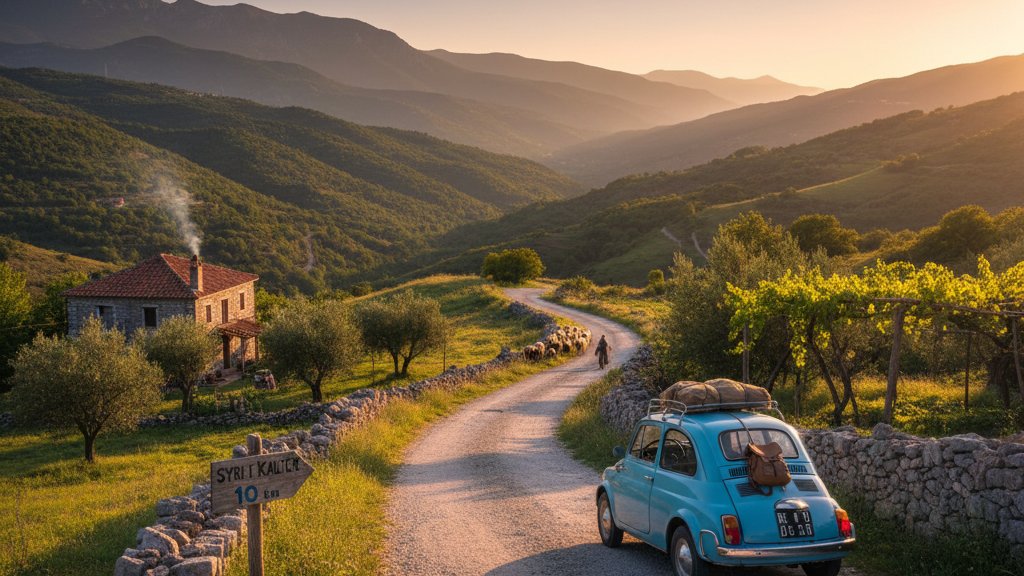
From Saranda, the Blue Eye is a straightforward 25-kilometer drive taking approximately 30 minutes via the SH81 road. The route passes through the village of Delvine before reaching the signed turnoff to the Blue Eye parking area. The road is paved throughout but narrow in sections, requiring caution when meeting oncoming traffic. Many visitors combine the Blue Eye with stops at Butrint archaeological site and Ksamil beaches, creating a full-day southern Albania circuit.
From Gjirokaster (40 kilometers north), the drive takes about 45 minutes descending the SH81 through dramatic mountain scenery. The upper sections of this route traverse the Muzine plateau at over 600 meters elevation before descending through a series of switchbacks with panoramic views toward the Ionian coast. This approach offers excellent photo opportunities but requires confident driving on mountain roads.
From Tirana and Tirana International Airport, the Blue Eye is approximately 280 kilometers south, a journey of 4-5 hours via the SH4 coastal road through Vlora or the inland A1/SH4 route through Fier. Most Tirana-based visitors allocate 2-3 days for a southern Albania tour, overnighting in Saranda or Gjirokaster and visiting multiple attractions in the region. The drive from Tirana provides an excellent cross-section of Albanian landscapes, from the central plains through coastal mountains to the Mediterranean south.
The Blue Eye in Albanian Culture and Folklore
In Albanian tradition, the Blue Eye holds significance beyond its geological interest. Local folklore associates the spring with the concept of "syri i keq" (evil eye), but in reverse - the Blue Eye is considered a protective force, a benevolent watchful presence. Older generations in Muzine and surrounding villages speak of the spring as sacred, a place where water emerges from the earth pure and powerful, untouched by human influence.
The spring appears in several Albanian folk songs from the Gjirokaster region, typically as a symbol of clarity, truth, and natural beauty. In one traditional ballad, the Blue Eye represents the unwavering gaze of a lover separated by mountains and time. The constant flow of the spring - never ceasing, never clouding - serves as a metaphor for enduring devotion in these songs.
During the communist period, the site was recognized as a natural monument and protected, though tourism infrastructure was minimal. After 1991, as Albania opened to international visitors, the Blue Eye quickly became one of the country's most photographed natural attractions. The challenge of balancing tourism development with ecosystem protection remains ongoing, with periodic restrictions on visitor numbers during sensitive ecological periods.
Conservation Status and Environmental Considerations
The Blue Eye and its surrounding 180-hectare protected area were designated a Natural Monument in 2007, placing it under Albania's protected area management system. The designation recognizes both the geological uniqueness of the karst spring and the biodiversity of the surrounding oak-plane tree forest ecosystem. However, enforcement of protection measures has been inconsistent, with concerns raised about water quality impacts from upstream agricultural runoff and uncontrolled tourism infrastructure development.
The aquifer feeding the Blue Eye drains a catchment area of approximately 20 square kilometers across the Muzine plateau. Land use changes in this catchment - particularly increased agricultural chemical use and construction activity - pose potential threats to the spring's renowned water clarity. Albanian environmental organizations have advocated for expanded protection zones and stricter regulation of activities in the recharge area, though implementation remains limited as of 2026.
Visitors can contribute to conservation by adhering to marked paths, avoiding littering, and respecting swimming prohibitions in the main spring. The site's popularity creates both opportunity and challenge - tourism provides economic incentive for protection while simultaneously creating pressure on the fragile ecosystem. Responsible visiting behavior, including avoiding peak hours and supporting local rather than imported tourism services, helps maintain the balance.
Combining the Blue Eye with Other Southern Albania Attractions
The Blue Eye fits naturally into a southern Albania itinerary focused on the region's diverse attractions. Butrint National Park, a UNESCO World Heritage Site with Greek and Roman archaeological remains, lies just 15 kilometers southwest, easily combined in a single day. The ancient city sits on a peninsula surrounded by Lake Butrint and wetlands, offering a stark contrast to the mountain spring environment of the Blue Eye.
The coastal village of Ksamil, known for its white sand beaches and turquoise water (though of a different geological origin than the Blue Eye), is 20 kilometers southwest. Many visitors spend mornings at the Blue Eye's cool, shaded environment before descending to Ksamil's beaches for afternoon swimming and seafood dining. The temperature difference between the 12-degree spring water and the 24-degree sea creates a memorable sensory experience.
Gjirokaster, Albania's "Stone City" with its Ottoman-era architecture and dramatic hillside setting, offers cultural depth to complement the natural attractions. The 40-kilometer drive from the Blue Eye to Gjirokaster ascends through villages largely unchanged in their traditional stone architecture, with roadside stalls selling local honey, mountain tea, and hand-woven textiles. Allocating 2-3 days allows thorough exploration of this southern triangle: Saranda's coast, the Blue Eye's natural beauty, and Gjirokaster's historical heritage.
| Route Segment | Distance | Driving Time | Road Condition | Notable Features |
|---|---|---|---|---|
| Saranda - Blue Eye | 25 km | 30 min | Paved, narrow sections | Delvine village, mountain views |
| Blue Eye - Butrint | 20 km | 25 min | Paved | Lake Butrint wetlands |
| Blue Eye - Gjirokaster | 40 km | 45 min | Paved, mountain switchbacks | Muzine plateau, panoramic views |
| Blue Eye - Ksamil | 20 km | 25 min | Paved | Coastal descent, olive groves |
| Tirana - Blue Eye | 280 km | 4-5 hours | Highway and paved roads | Cross-country scenic route |
FAQ
Can you swim in the Blue Eye spring in Albania and is the 50-meter depth dangerous for swimmers?
Swimming is prohibited in the main Blue Eye spring to protect the ecosystem and for safety reasons. The 50-meter vertical shaft with its powerful upward current is not accessible to swimmers - the depth refers to the measured extent of the underwater cave, not a swimming area. Visitors can wade in shallow downstream pools where the Bistrica River begins, with depths from ankle to knee level. These wading areas are safe and refreshing, with water temperature around 12 degrees Celsius year-round.
What is the best time of year to visit the Blue Eye near Saranda and how crowded does it get?
The Blue Eye is open year-round, but optimal visiting periods are May-June and September-October when temperatures are comfortable and crowds moderate. July-August brings peak tourism with over 2000 visitors daily between 11:00-15:00, though early morning (before 10:00) or late afternoon (after 16:00) visits remain peaceful. Winter offers solitude but muddy paths after rain. The spring's appearance and water clarity remain constant across seasons, making off-peak visits equally rewarding with better access to the viewing platforms.
How long does it take to reach the Blue Eye from Saranda and do I need a 4x4 vehicle?
The drive from Saranda to the Blue Eye takes approximately 30 minutes covering 25 kilometers on paved roads. A standard sedan is sufficient - the SH81 road and access road to the parking area are fully paved, though narrow in sections. From parking to the spring is a 10-minute walk on boardwalk paths. Combining the visit with Butrint and Ksamil makes efficient use of a rental car, with all three attractions accessible on standard roads. Allow 1-2 hours at the site itself for the walk, viewing, and wading in pools.
Why is the Blue Eye water so blue and does the color change with seasons or weather?
The intense blue color results from light physics in exceptionally pure water emerging from deep limestone aquifers. Blue wavelengths penetrate deepest into clear water and reflect back to viewers, while red wavelengths are absorbed. The spring's constant clarity (minimal sediment or minerals) and great depth create the vivid azure effect. The color remains consistent year-round regardless of weather because the water originates from underground aquifers insulated from surface conditions. Seasonal rainfall changes flow volume slightly but not water clarity or color intensity.
Has anyone reached the bottom of the Blue Eye cave system and what prevents deeper exploration?
The deepest confirmed dive reached 50 meters in the 1990s, but this represents the limit of safe exploration, not the actual bottom. The underwater shaft continues beyond this depth with increasingly powerful upward current (over 6 cubic meters per second) that prevents divers from descending further. Narrowing of the shaft and reduced visibility compound the challenge. Sonar mapping in 2024 suggested the system extends to at least 100 meters, possibly deeper, but the true bottom remains unmeasured. The vertical nature of the shaft and hydrological conditions make this one of Albania's enduring natural mysteries.
Are there other natural springs similar to the Blue Eye elsewhere in Albania?
Albania has numerous karst springs due to its limestone geology, but few match the Blue Eye's dramatic appearance and accessibility. The Drilon springs near Tushemisht on Lake Ohrid exhibit similar turquoise water in a broader, less vertical formation. Lengarica Canyon in Permet features multiple thermal springs with different characteristics. However, the Blue Eye's combination of intense color, mysterious depth, vertical shaft configuration, and tourism infrastructure makes it unique. Each karst spring reflects local geology and hydrology - the Blue Eye's vivid appearance results from its specific depth and water purity.

Comments (8)
I am absolutely fascinated by the deep blue eyes that are so prevalent in Albania. It's incredible how many people there have such strikingly beautiful eyes! I appreciate the information that this article provided about the genetics behind this unique trait. Learning more about the science and history of these stunning eyes has deepened my appreciation of Albanian culture and beauty. Thank you for shedding light on this topic and giving readers like me a chance to learn more about such a fascinating aspect of Albanian heritage.
I'm glad to hear that you found the article on the genetics of blue eyes in Albania informative and interesting. It's fascinating to learn about the unique traits and features of different cultures, and how they're influenced by genetics and history. Thank you for your feedback!
I found an interesting article on the unique feature of blue eyes in Albania. The depth of the blue eye is correlated with the amount of melanin in the eye, resulting in greater depth for those with less melanin. Researchers have found that Albanians have a relatively low amount of melanin, resulting in a deeper, more vibrant blue eye color. Additionally, the blue eye is significant in Albanian folklore and is considered a symbol of good luck and protection against evil. It's fascinating to learn about the genetics and cultural significance of the blue eye in Albania.
Certainly, the article on the unique feature of blue eyes in Albania is intriguing. It explains that the depth of the blue eye is linked to the amount of melanin in the eye, which is relatively low in Albanians, resulting in a more vibrant blue eye color. The article also delves into the cultural significance of the blue eye in Albanian folklore, where it is viewed as a symbol of good luck and protection against evil. Overall, the article provides an interesting perspective on the genetics and cultural importance of this fascinating aspect of Albanian heritage.
I stumbled upon this article while researching about blue-eyed people and I must say I am pleasantly surprised by the beauty and uniqueness of Albanian blue eyes. The author's research and presentation are impressive, and it's fascinating to learn that the depth of blue eyes in Albanian individuals is due to a genetic mutation. It's exciting to know that such striking physical features exist in different parts of the world. Thank you for shedding light on this topic, and I look forward to exploring more about Albanian culture and history.
Thank you for your comment. It's great to hear that you found the article informative and interesting. The genetics and cultural significance of blue eyes in Albania are truly fascinating, and I'm glad that you enjoyed learning more about them. If you have any questions or would like to learn more about Albanian culture and history, feel free to ask.
I stumbled upon this article while researching the beauty of Albanian eyes, and I was blown away by the detailed and informative content. The writer not only explained the science behind the depth of blue eyes, but also gave a cultural insight into the significance of these striking features in Albanian tradition. I now have a newfound appreciation for the mesmerizing blue eyes that originate from this country, and I am grateful for the knowledge that this article has provided. Thank you for such a wonderful and enlightening read!
Thank you for your positive feedback on the article about Albanian eyes. The writer's efforts to provide detailed information about the science and cultural significance of the blue eyes in Albania are commendable. We're glad to hear that you found the article informative and that it has increased your appreciation for this unique physical feature.