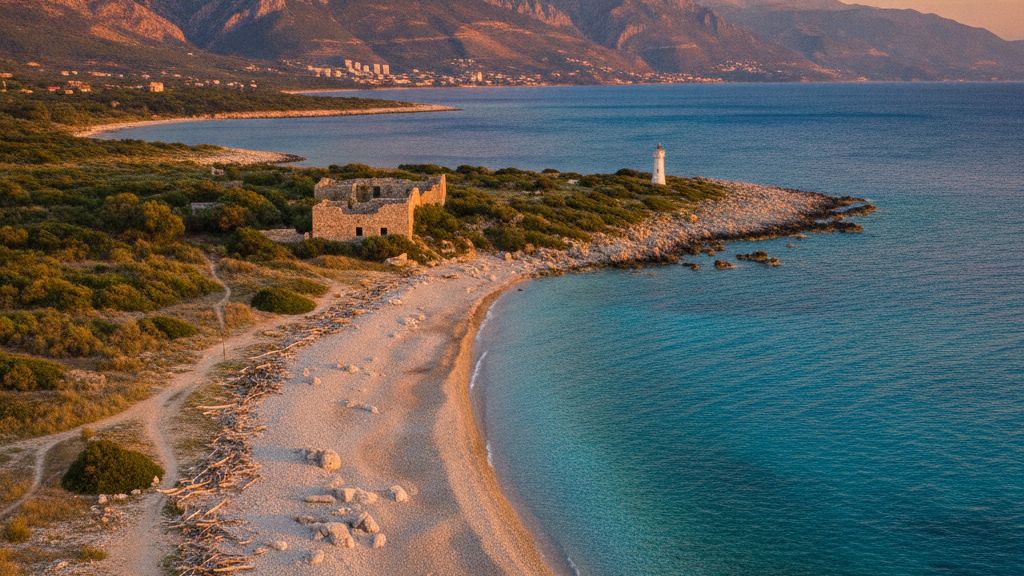
Traditional Albanian Cuisine: A Culinary Journey Through the Balkans
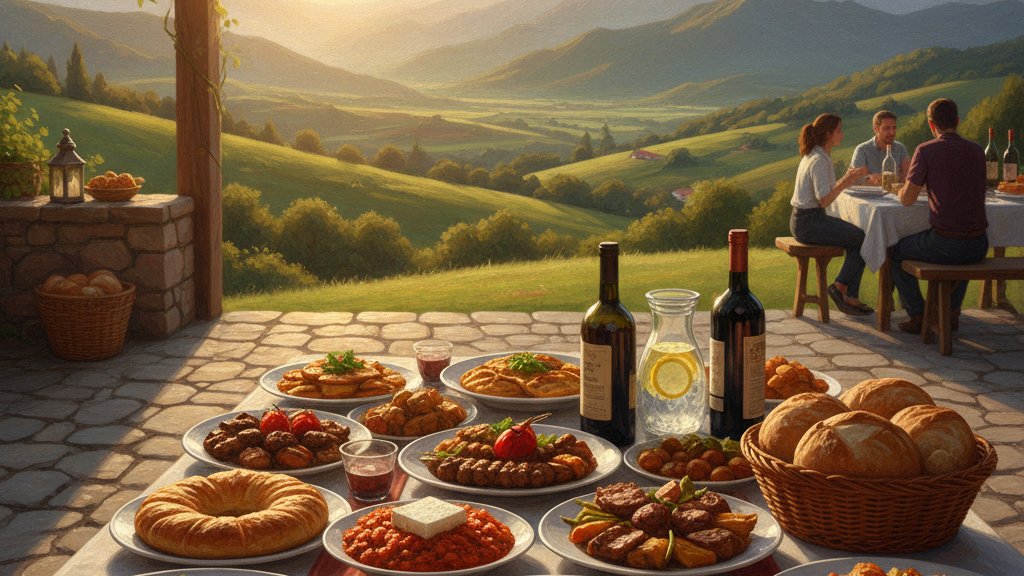
Albania's culinary heritage reflects centuries of cultural exchanges across the Balkans, Mediterranean, and Ottoman territories. The traditional food in Albania combines locally sourced ingredients from coastal plains, mountain pastures, and fertile valleys with cooking techniques passed through generations. Whether you're planning to explore Tirana or drive the coastal road from Vlora to Saranda, understanding Albanian cuisine adds a delicious dimension to your journey through this small but flavor-rich nation.
Albanian cuisine divides broadly into two regional traditions: the northern mountain regions favor hearty meat dishes and dairy products, while southern coastal areas incorporate more seafood, olive oil, and Mediterranean vegetables. This geographical divide creates a diverse food landscape where each district maintains distinct recipes and preparation methods.
Byrek: Albania's Most Iconic Savory Pastry
Byrek stands as the undisputed king of Albanian street food and breakfast tables. This flaky pastry consists of multiple layers of phyllo dough brushed with oil or butter, filled with various ingredients depending on regional preference and seasonal availability. The most common varieties include byrek me djath (cheese byrek using white feta or cottage cheese), byrek me spinaq (spinach mixed with eggs and onions), and byrek me mish (ground beef or lamb seasoned with onions and black pepper).
Every bakery (furre) in Albania produces byrek fresh throughout the morning, with most families stopping to buy a few pieces on their way to work or school. The pastry emerges from wood-fired or electric ovens with crispy golden-brown layers on top and bottom, while the interior remains moist from the filling. Traditional preparation requires skill in stretching the dough paper-thin and layering it with precision to achieve the characteristic texture.
In Tirana and other cities, specialized byrek shops serve only this dish with variations that include pumpkin, leek, or nettle fillings in spring. The pastry pairs with ayran (salted yogurt drink) or strong Turkish-style coffee for a complete Albanian breakfast experience. Prices remain remarkably affordable - a generous portion costs between 80-150 lek (roughly 0.80-1.50 EUR), making it accessible to all economic classes.
Tave Kosi: The National Dish of Lamb and Yogurt
Tave kosi holds the distinction of being Albania's national dish, a baked casserole that combines lamb meat with rice and a yogurt-egg mixture. The name translates to "sour milk casserole," referencing the fermented yogurt (kos) that gives the dish its characteristic tangy flavor and creamy texture. Preparation begins with marinating lamb pieces in minced garlic, salt, black pepper, and sometimes oregano for several hours.
The cooking process involves two stages: first browning the lamb in butter until partially cooked, then layering it in a clay or ceramic baking dish with pre-boiled rice. The yogurt mixture - made by whisking together eggs, flour, yogurt, and butter - pours over the meat and rice before the entire dish bakes in a moderate oven for 60-90 minutes. The top develops a golden-brown crust while the interior remains moist and aromatic.
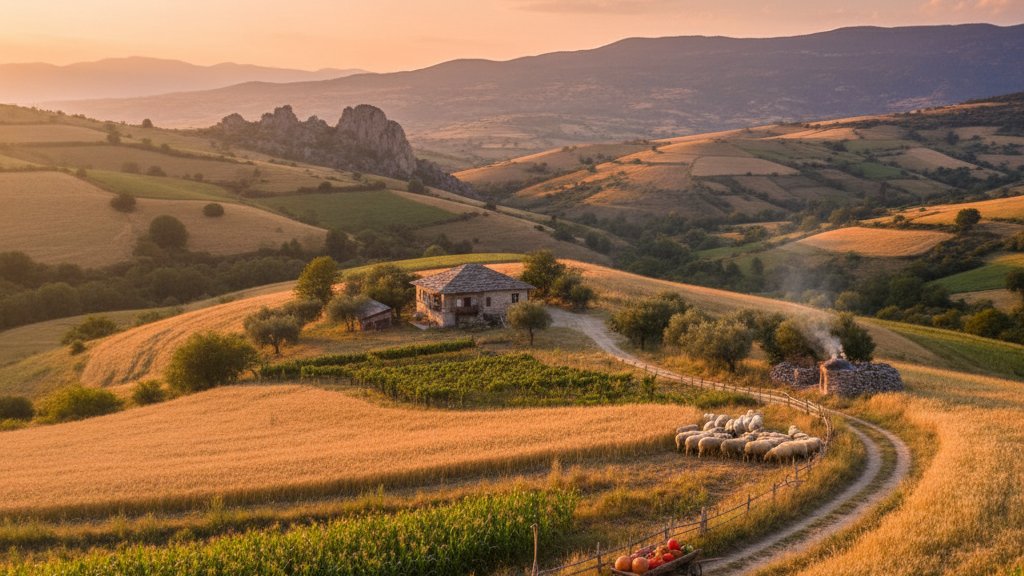
Families serve tave kosi during Sunday lunches, religious holidays, and special celebrations. The dish represents Albanian hospitality - preparing it requires time and quality ingredients, making it a gesture of respect toward guests. Most restaurants throughout Albania include tave kosi on their menu, though home-cooked versions using free-range lamb from mountain pastures offer superior flavor. The dish pairs excellently with fresh salad and crusty bread to soak up the yogurt sauce.
Fergese: The Vegetarian Skillet Favorite
Fergese (also spelled ferges or fergese depending on dialect) presents Albanian cooking at its rustic best - a simple skillet dish that transforms everyday vegetables into a satisfying meal. The base recipe combines bell peppers (preferably red for sweetness), ripe tomatoes, onions, and garlic, all cooked slowly in olive oil until soft and caramelized. Crumbled feta cheese melts into the vegetable mixture during the final cooking stage, creating a creamy consistency.
Regional variations exist throughout Albania: the Tirana version often includes pieces of veal liver or beef, while the southern coastal variant from Vlora remains strictly vegetarian with extra tomatoes and sometimes cottage cheese instead of feta. The northern mountain towns add fresh butter and sharp mountain cheese for a richer flavor profile. Regardless of variation, fergese always finishes with a brief period in a hot oven to brown the top slightly.
The dish serves as a main course with bread or as a side dish accompanying grilled meat. Its popularity stems from using ingredients available year-round in Albanian markets - bell peppers, tomatoes, and cheese form the foundation of many traditional recipes. Vegetarian travelers find fergese particularly appealing as a reliable meatless option in a cuisine that traditionally emphasizes lamb, beef, and seafood.
Planning to explore Albanian culinary traditions across multiple cities? Consider renting a car in major Albanian cities to reach authentic family-run restaurants in mountain villages and coastal towns where traditional recipes remain unchanged for generations.
Albanian Desserts: Sweetness with Ottoman Influence
Albanian dessert culture reflects strong Ottoman heritage, with many sweet treats tracing their origins to Turkish confectionery traditions adapted with local ingredients and preferences over centuries. Baklava ranks among the most recognized Albanian desserts - layers of paper-thin phyllo dough alternating with finely chopped walnuts, almonds, or pistachios, the entire construction held together with clarified butter and drenched in sugar syrup or honey after baking.
Albanian baklava differs slightly from Greek or Turkish versions in its syrup composition and nut selection. Albanian cooks prefer walnuts grown in the central mountain regions, particularly around Berat and Permet, known for producing nuts with exceptional flavor. The syrup incorporates lemon juice and sometimes a hint of cinnamon, creating a balance between sweetness and acidity that prevents the dessert from becoming cloying.
Trilece represents a more recent addition to Albanian dessert repertoire, arriving in the 1990s but quickly becoming a national favorite. This tres leches cake (the name derives from Spanish "tres leches" meaning three milks) consists of a light sponge cake soaked in a mixture of condensed milk, evaporated milk, and heavy cream. Albanian versions typically add a layer of caramel on top, followed by whipped cream, creating a rich, moist dessert served cold in square portions.
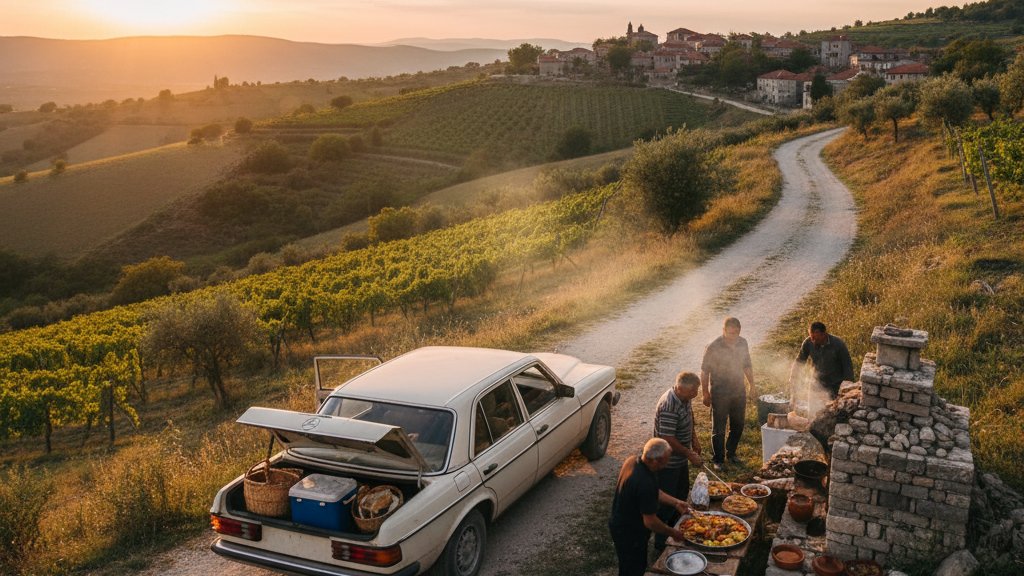
Kadaif, another Ottoman-influenced sweet, uses shredded phyllo dough formed into nest-like shapes, filled with nuts, baked until golden, and soaked in syrup. Sheqerpare (sugar cookies soaked in lemon syrup), revan (semolina cake), and ballokume (a cookie traditionally made for Albanian Independence Day on November 28th) round out the dessert repertoire found in Albanian pastry shops (pasticeri).
Meat Dishes and Grilling Traditions
Albanian cuisine places significant emphasis on meat preparation, particularly lamb and beef from animals raised on mountain pastures. Tave dheu (literally "earth casserole") bakes various meats with vegetables in a clay pot sealed with dough, cooking slowly over low heat until the meat falls off the bone. This traditional method preserves moisture and concentrates flavors, though modern cooks often use conventional ovens.
Qofte (meatballs) appear on every Albanian table, made from minced beef or lamb mixed with finely chopped onions, bread crumbs, eggs, and spices including oregano and black pepper. Unlike Italian or Swedish meatballs, Albanian qofte flatten slightly during cooking, developing a crispy exterior while remaining juicy inside. They serve hot with french fries and salad or cold the next day with bread and cheese.
Grilling (zgare) plays a central role in Albanian food culture, especially during summer months. Qebapa (small cylindrical sausages), biftek (beef or pork cutlets), and veshka (kidneys) cook over charcoal grills at roadside restaurants throughout the country. The coastal road from Vlora to Saranda features dozens of zgare restaurants offering fresh seafood alongside traditional meat dishes, all grilled over wood or charcoal for authentic smoky flavor.
Seafood Along the Albanian Riviera
The 450-kilometer Albanian coastline along the Adriatic and Ionian seas provides abundant seafood that forms the foundation of southern Albanian cuisine. Fresh fish arrives daily at markets in Saranda, Vlora, Durres, and smaller coastal villages, with local fishermen selling their catch directly from boats in early morning hours.
Branzino (sea bass), koce (red mullet), and koca (scorpion fish used for fish soup) dominate the catch along with squid, octopus, and mussels harvested from Butrint Lagoon and other protected bays. Restaurants prepare fish simply - grilled whole with lemon, olive oil, and oregano, or fried and served with garlic sauce. This minimal preparation allows the fresh seafood flavor to dominate without heavy sauces or complicated cooking techniques.
Tave peshku (fish casserole) bakes white fish fillets with tomatoes, onions, garlic, and white wine in a clay dish, creating a moist, aromatic meal served with polenta or rice. Midhje (mussels) steam in white wine with tomatoes and herbs, served in their shells with crusty bread for soaking up the flavorful broth. Restaurants in Ksamil and Himara specialize in seafood dishes, taking advantage of their beachfront locations to offer dining with views of the Ionian Sea.
| Traditional Dish | Main Ingredients | Regional Origin | Best Season |
|---|---|---|---|
| Byrek | Phyllo dough, cheese or spinach or meat | Nationwide | Year-round |
| Tave Kosi | Lamb, yogurt, rice, eggs | Central Albania (Elbasan) | Spring, fall |
| Fergese | Peppers, tomatoes, feta cheese | Tirana, Vlora | Summer, early fall |
| Baklava | Phyllo dough, walnuts, honey syrup | Nationwide (Ottoman influence) | Year-round |
| Trilece | Sponge cake, three milks, caramel | Nationwide | Year-round |
| Tave Peshku | White fish, tomatoes, wine | Coastal regions | Summer |
Dairy Products and Mountain Cuisine
Northern Albania's mountain regions produce exceptional dairy products that feature prominently in traditional cuisine. Djathe (cheese) varieties range from fresh white cheese similar to feta, to aged hard cheeses that develop sharp, complex flavors over months of cave aging. Gjize, a ricotta-like fresh cheese, appears in both savory and sweet dishes, including as a byrek filling and mixed with honey as a dessert.
Butter production in mountain villages follows traditional methods where cream separates naturally from raw milk, then churns by hand or small electric machines. This butter possesses a richer flavor than industrial versions, with a slight tanginess from natural fermentation. Mountain families preserve butter for winter by melting it and storing in sealed containers, creating a product similar to Indian ghee.
Kos (fermented milk similar to yogurt but with a more liquid consistency) serves as both a drink and cooking ingredient. Families consume kos with every meal in northern regions, believing it aids digestion and provides beneficial bacteria. The product requires starter culture from previous batches, creating continuity between generations - some families maintain kos cultures passed down for decades.
FAQ
Where can travelers find the most authentic traditional Albanian food while visiting the country?
Family-run restaurants in smaller towns and mountain villages offer the most authentic Albanian cuisine, as they maintain traditional recipes and cooking methods passed through generations. In cities like Tirana, look for restaurants marked "ushqim shtepiak" (home-style food) rather than tourist-oriented establishments. The town of Permet in southern Albania has a strong culinary reputation, particularly for its gliko (fruit preserves) and local wine. Coastal towns like Vlora and Saranda excel in seafood preparation, while Elbasan remains famous as the birthplace of tave kosi. Visiting during local festivals provides opportunities to sample traditional dishes prepared in large quantities for community celebrations.
How does Albanian cuisine differ from Greek and Turkish food despite sharing similar dishes?
Albanian cuisine shares Ottoman heritage with Turkish food and Mediterranean influences with Greek cooking, but develops distinct characteristics through local ingredients and preparation methods. Albanian byrek uses different phyllo dough thickness and more generous filling ratios compared to Turkish borek. Fergese has no direct Greek or Turkish equivalent, representing a uniquely Albanian vegetable dish. Albanian cooks use less spice than Turkish cuisine, preferring simpler seasoning with oregano, garlic, and black pepper. The yogurt in tave kosi undergoes specific fermentation producing a tangier flavor than Greek or Turkish yogurt. Albanian olive oil from southern regions has distinct flavor characteristics compared to Greek varieties. These subtle differences accumulate into a cuisine recognizable as distinctly Albanian rather than simply a variation of neighboring countries' food traditions.
What vegetarian options exist in traditional Albanian cuisine for travelers with dietary restrictions?
Traditional Albanian cuisine offers several naturally vegetarian dishes that predate modern dietary trends. Fergese without liver serves as a satisfying main course with vegetables and cheese. Byrek me spinaq (spinach pie) and byrek me kungull (pumpkin pie) provide filling options without meat. Fresh salads combining tomatoes, cucumbers, onions, and feta appear at every meal. Stuffed peppers or tomatoes with rice and herbs (speca te mbushura) offer another vegetarian choice. Trahana soup made from fermented wheat and yogurt provides warmth during colder months. Bean dishes including tave me fasule (white bean casserole) appear frequently in winter menus. However, travelers should note that many Albanian soups and rice dishes use meat-based stocks, so verification with restaurant staff helps ensure completely vegetarian meals.
How do seasonal changes affect traditional Albanian food availability and menu offerings?
Albanian cuisine follows strict seasonal patterns dictated by agricultural cycles and traditional preservation methods. Spring brings fresh vegetables including wild greens (lakra) foraged from fields, artichokes, and fava beans prepared fresh rather than dried. Summer abundance includes peppers, tomatoes, eggplants, and zucchini appearing in countless dishes, while coastal restaurants emphasize fresh seafood. Fall harvest introduces pumpkins, grapes for wine production, and tree fruits preserved as gliko. Winter menus shift toward preserved foods, dried beans, root vegetables, and meat dishes requiring longer cooking times. Lamb consumption peaks during spring when young animals reach ideal size, while pork dishes appear more frequently in late fall after traditional slaughter season. This seasonal rhythm remains stronger in rural areas and family-run restaurants than in urban establishments with year-round cold storage and imported ingredients.
What drinks traditionally accompany Albanian meals and where can travelers find authentic local beverages?
Raki, a clear fruit brandy typically made from grapes or plums, serves as Albania's national spirit, consumed before meals as an aperitif or during meals in small glasses. Albanian wine production centers in regions around Berat, Permet, and Leskovik, with both red and white varieties available though reds dominate production. Families often produce wine for personal consumption, and rural guesthouses serve homemade wine with meals. Turkish-style coffee (kafe turke) follows every meal, prepared in small copper pots and served in small cups with grounds settling at the bottom. Ayran (salted yogurt drink) accompanies byrek and other pastries. Mountain springs throughout Albania provide excellent drinking water, and locals often stop at roadside springs to fill bottles during drives. Beer brands Birra Korca and Birra Tirana represent the main domestic producers. Most restaurants stock these beverages, though the most authentic experience comes from accepting homemade raki or wine offered in village guesthouses.