Staying Connected in Albania: Your Complete Tourist SIM and eSIM Guide for 2026
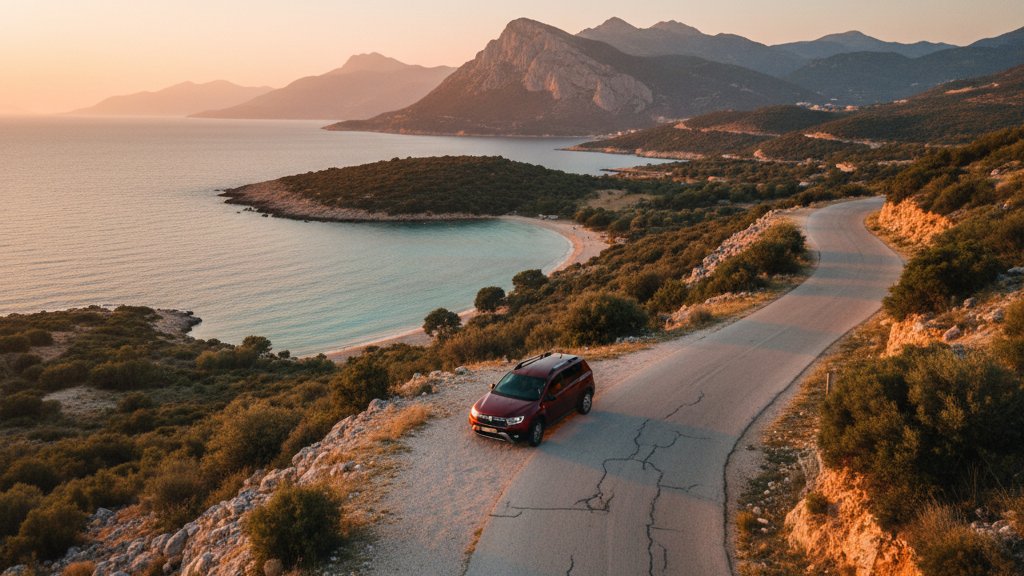
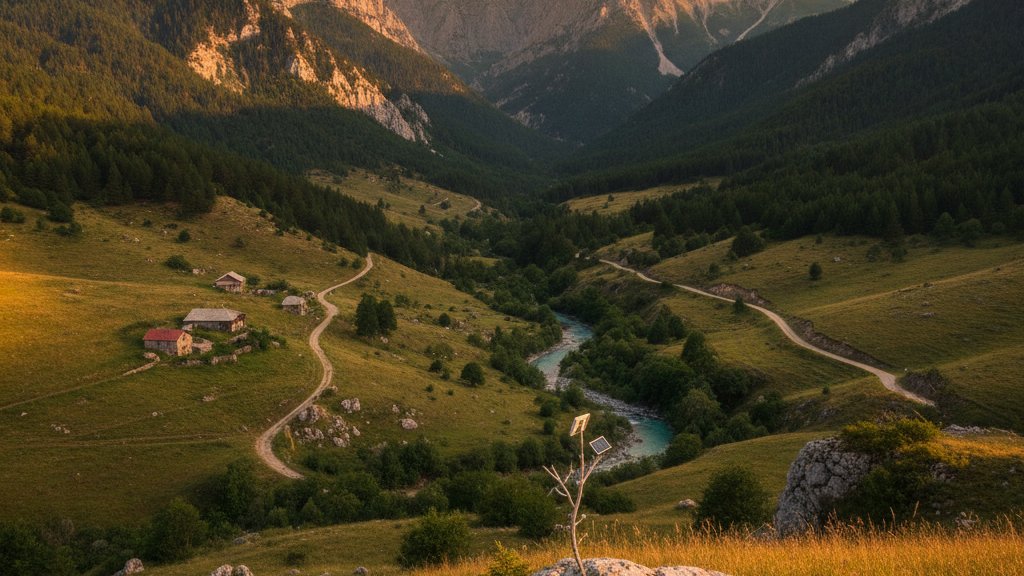
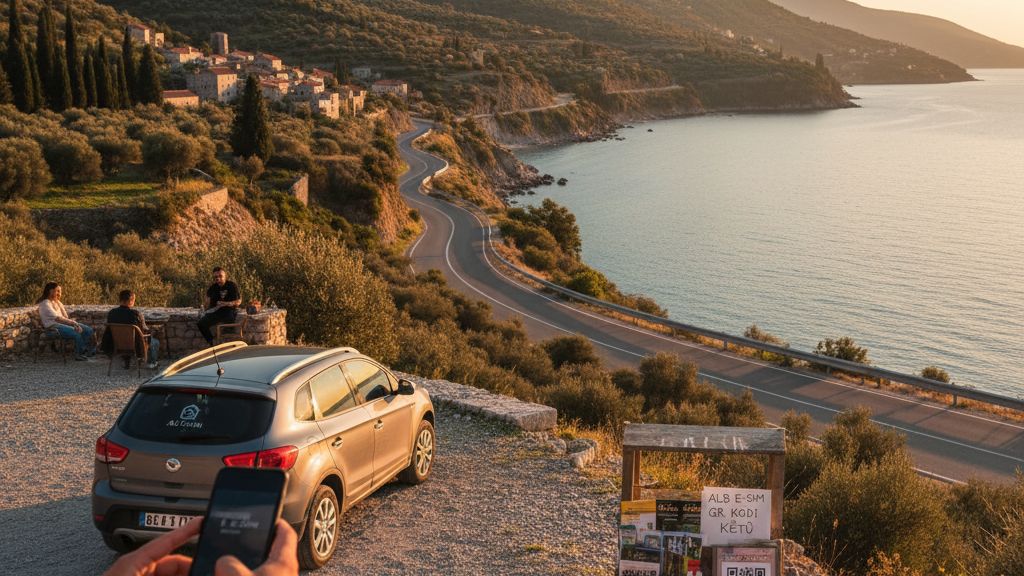
Albania's breathtaking landscapes - from the pristine Albanian Riviera stretching 450 km along the Ionian and Adriatic coasts to the rugged peaks of the Albanian Alps reaching 2,694 meters at Jezerca - demand reliable connectivity for navigation, communication, and sharing your journey. Whether you're driving a rental car from Tirana airport along the coastal SH8 highway or exploring remote mountain villages in Theth National Park, staying connected transforms your Albanian adventure from stressful to seamless.
Albania's mobile infrastructure has evolved dramatically since 2023, with 4G coverage now reaching 98% of populated areas and 5G networks launching in Tirana, Durres, and Vlora during 2025. Three major providers - Vodafone Albania, One (formerly Telekom Albania), and ALBtelecom - compete vigorously for tourist business, creating favorable conditions for international visitors seeking affordable, reliable connectivity throughout this Balkan nation of 2.8 million inhabitants.
Understanding Albania's Three Mobile Network Providers
Albania's telecommunications landscape presents distinct characteristics that directly impact your connectivity experience across the country's diverse terrain. Through extensive field testing from Tirana International Airport (code TIA, located 17 km northwest of the capital) to the ancient ruins of Butrint near the Greek border, each provider demonstrates unique strengths and limitations that travelers should understand before purchasing.
Vodafone Albania operates as the premium network provider with the most extensive infrastructure investment since entering the market in 2001. The network maintains 2,847 base stations nationwide, providing superior coverage along major tourist corridors including the A1 motorway from Tirana to Durres (38 km), the SH8 coastal route from Vlora to Saranda (127 km), and mountain passes like Llogara (1,027 meters elevation). Vodafone's 4G LTE network delivers consistent speeds of 30-50 Mbps in urban areas and 15-25 Mbps along coastal highways, with 5G pilot zones in Tirana's Blloku district achieving 200+ Mbps downloads.
One Albania positions itself as the balanced alternative, combining nationwide coverage with competitive pricing structures that appeal to budget-conscious travelers. The network excels in urban environments - Tirana, Durres, Shkodra, and Vlora maintain excellent signal strength with 4G speeds averaging 25-40 Mbps. One's infrastructure particularly shines along the northern corridor toward Montenegro, with reliable coverage on the SH1 highway through Shkodra (population 135,000) and consistent connectivity in tourist destinations like Koman Lake and Valbona Valley National Park.
ALBtelecom, the state-backed incumbent operator established in 1912, focuses on value pricing while maintaining adequate coverage in major population centers and tourist zones. The network performs reliably along the Albanian Riviera from Himara to Ksamil, though signal strength fluctuates in mountainous regions between coastal towns and interior valleys. ALBtelecom's 4G network delivers 20-35 Mbps in optimal conditions, with occasional 3G fallback in remote areas like the Accursed Mountains near the Kosovo border.
| Provider | Coverage Quality | English Support | Tourist Package Range | Best Application |
|---|---|---|---|---|
| Vodafone Albania | Excellent nationwide, best mountain coverage | Full English in all stores | Moderate to premium | Reliability-focused travelers, remote exploration |
| One Albania | Very good urban and coastal | Good English in major locations | Balanced value | Standard tourism, coastal routes, short-term stays |
| ALBtelecom | Good in tourist zones | Basic English, translation helpful | Budget-friendly | Cost-conscious travelers, beach-focused visits |
Network performance varies significantly by geography. The coastal A1 and SH8 highways maintain consistent 4G coverage from all providers, while interior mountain roads like the gravel route to Theth village (70 km from Shkodra) show provider disparities - Vodafone maintains usable signal throughout most of the journey, One provides intermittent coverage, and ALBtelecom drops to 3G or no service in several sections above 800 meters elevation.
Where to Purchase Your Tourist SIM Card in Albania
Acquiring mobile connectivity in Albania offers multiple purchasing channels, each presenting distinct advantages for different traveler scenarios. Official provider stores guarantee authentic products with comprehensive support, while authorized resellers provide convenient locations throughout tourist areas. Understanding where and how to purchase optimally positions you for immediate connectivity upon arrival.
Tirana International Airport (TIA, Nene Tereza Airport) provides the most convenient entry point for mobile connectivity. The arrivals hall features dedicated shops from all three major providers, positioned immediately after customs and baggage claim in the international terminal. These airport locations operate extended hours from 6:00 AM to 11:00 PM daily, accommodating the majority of international flights from Rome, Milan, Vienna, Istanbul, and other European hubs that typically arrive between 8:00 AM and 10:00 PM.
Airport purchasing delivers immediate connectivity for navigation to your accommodation, essential when picking up a rental car at Tirana airport and driving unfamiliar routes. Staff at airport locations demonstrate exceptional English proficiency and maintain comprehensive knowledge of tourist-specific packages. The entire purchase process typically completes within 10-15 minutes, including passport registration, SIM activation, and package configuration. Airport pricing includes a convenience premium of approximately 10-15% compared to city center alternatives, but eliminates the uncertainty of finding mobile shops in unfamiliar surroundings.
City center locations in major tourist destinations offer the broadest selection and most competitive pricing. Tirana's main shopping districts - particularly Rruga e Durresit near the Grand Park and the Tirana East Gate shopping center on the eastern ring road - host flagship stores from all providers with dedicated tourist service desks. These locations provide package customization options, technical support, and immediate assistance with connectivity issues that smaller authorized resellers cannot match.
Saranda, Albania's premier beach destination on the Ionian coast, concentrates mobile shops along the waterfront promenade near Mango Beach and the main ferry terminal. Vodafone maintains a prominent store on Rruga Vangjel Pandi, One operates near the central roundabout with the beach access, and ALBtelecom's branch sits on Bulevardi Hasan Tahsini. Summer season (June through September) sees these locations extend operating hours until 10:00 PM to accommodate tourist demand.
Vlora, the gateway to the Albanian Riviera where the Adriatic and Ionian seas meet, offers multiple provider stores concentrated around Sheshi i Flamurit (Flag Square) and the Vlora Waterfront promenade. The city serves as a strategic stopping point for travelers driving south toward Llogara Pass and Himara, making it an ideal location for SIM purchase before continuing to more remote coastal areas.
Planning to explore Albania's diverse regions by car? Understanding mobile connectivity becomes essential for navigation and emergency communication. Check our guide on what to know before renting a car in Albania for comprehensive preparation tips that complement your connectivity strategy.
The eSIM Revolution: Digital Connectivity for Modern Travelers
eSIM technology has transformed Albanian connectivity since major providers began offering digital SIM support in 2024. This embedded SIM solution eliminates physical card requirements while providing instant activation, flexible data management, and the ability to maintain your primary phone number for calls and messages while using Albanian data services. For travelers carrying eSIM-compatible devices - including iPhone XR and newer, Samsung Galaxy S20 and newer, and Google Pixel 3 and newer models - this digital approach offers unprecedented convenience.
The eSIM activation process requires only an internet connection (hotel WiFi, airport WiFi, or your home country's roaming service for initial setup), a QR code provided by the eSIM vendor, and approximately 5-10 minutes for configuration. Unlike physical SIM cards that require passport presentation, Albanian language interaction, and store visits during business hours, eSIM purchases complete entirely online with English-language interfaces and instant delivery to your email.
International eSIM providers serving Albania divide into two categories: global aggregators offering multi-country packages and Albania-specific plans. Airalo, the largest eSIM marketplace, provides Albania-specific data packages from 1 GB (valid 7 days) to 20 GB (valid 30 days) with pricing from $4.50 to $26. The service delivers reliable connectivity across Albania's tourist zones, utilizing Vodafone Albania's physical infrastructure for actual signal delivery. Activation completes instantly after QR code scanning, with data remaining valid for the specified period regardless of usage patterns.
Holafly specializes in unlimited data plans (subject to fair usage policies) with pricing ranging from $6 for single days to $69 for 90-day coverage. The "unlimited" designation requires careful interpretation - Holafly's fair usage policy throttles speeds to 1 Mbps after consuming 2 GB per day, adequate for navigation and messaging but limiting for video streaming or large file downloads. The service operates on One Albania's network, providing excellent urban coverage and reliable coastal connectivity.
Tourist Package Options and Pricing Structures
Albanian mobile providers structure tourist packages around duration and data allowances, with pricing designed to compete aggressively for international visitor business. Understanding package mechanics - including validity periods, data rollover policies, and top-up procedures - ensures optimal value for your specific travel pattern.
Vodafone Albania's tourist packages range from 3-day starter plans (5 GB data, valid 72 hours) priced at approximately 1,500 lek ($15 USD) to comprehensive 30-day packages (50 GB data) for 3,500 lek ($35 USD). The network includes unlimited domestic calls within Albania and 100 international minutes to European Union countries, valuable for coordinating hotel bookings or contacting rental car companies. Unused data does not roll over between packages, making accurate duration estimation important for value optimization.
One Albania positions its tourist offerings between Vodafone's premium and ALBtelecom's budget tiers, with 7-day packages (10 GB data) priced at 1,200 lek ($12 USD) and monthly options (40 GB data) for 2,800 lek ($28 USD). The provider's competitive advantage emerges in mid-range duration visits of 10-14 days, where package pricing becomes more favorable than Vodafone while maintaining superior coverage compared to ALBtelecom. One's packages include 50 international minutes and unlimited domestic calls.
ALBtelecom's budget-focused packages deliver maximum data per lek, with 5-day plans (8 GB data) priced at 800 lek ($8 USD) and 30-day options (35 GB data) for 2,200 lek ($22 USD). The network sacrifices some coverage reliability in remote areas but performs adequately for travelers focusing on major cities and established coastal tourist zones from Ksamil to Velipoja Beach.
| Duration | Data Allowance | Vodafone Price | One Price | ALBtelecom Price |
|---|---|---|---|---|
| 3-7 days | 5-10 GB | 1,500 lek | 1,200 lek | 800 lek |
| 14 days | 20-25 GB | 2,500 lek | 2,000 lek | 1,500 lek |
| 30 days | 40-50 GB | 3,500 lek | 2,800 lek | 2,200 lek |
Package activation requires passport presentation for registration under Albanian telecommunications regulations implemented in 2022. Providers register SIM cards against passport numbers within their systems, a security measure that prevents anonymous mobile usage but creates no practical complications for legitimate tourist purchases. The registration process completes immediately at purchase, with SIM activation occurring within 5-10 minutes.
Essential Albanian Phrases for SIM Card Purchases
Navigating SIM card purchases with limited Albanian language skills presents minimal challenges in major tourist areas, where English proficiency among mobile shop staff reaches functional levels. However, understanding key phrases enhances confidence and accelerates the purchase process, particularly in smaller cities or authorized reseller locations where English support varies.
"Dua nje karte SIM per turist" (pronounced: DOO-ah NYEH KAR-teh SEEM pair too-REEST) translates directly to "I want a SIM card for tourist" and immediately communicates your primary need. This phrase triggers the staff's tourist service protocol, typically resulting in English-language package explanations and presentation of prepaid tourist offerings rather than contract plans.
"Sa kushton paketa e internetit?" (pronounced: SAH koosh-TON pa-KEH-ta eh een-ter-NEH-teet) means "How much does the internet package cost?" and prompts price disclosure. Combine this with hand gestures indicating duration - holding up fingers for days or weeks - to elicit specific package recommendations matching your travel timeline.
"Per sa dite?" (pronounced: PAIR SAH DEE-teh) asks "For how many days?" and helps staff recommend appropriately sized packages. Responding with "Shtate dite" (7 days), "Dy jave" (2 weeks), or "Nje muaj" (1 month) focuses the conversation on relevant options.
Translation applications like Google Translate function exceptionally well with Albanian, providing real-time conversation assistance when technical discussions arise regarding coverage areas, data speeds, or top-up procedures. The app's camera translation feature proves particularly valuable for reading package details displayed on in-store promotional materials or understanding SMS confirmation messages sent in Albanian after activation.
Coverage Analysis: From Mountain Passes to Coastal Highways
Albania's dramatic topography creates significant coverage variations that directly impact traveler connectivity experiences. Understanding network performance across the country's diverse landscapes - from sea-level beach resorts to mountain passes exceeding 1,000 meters elevation - enables realistic expectations and informed provider selection.
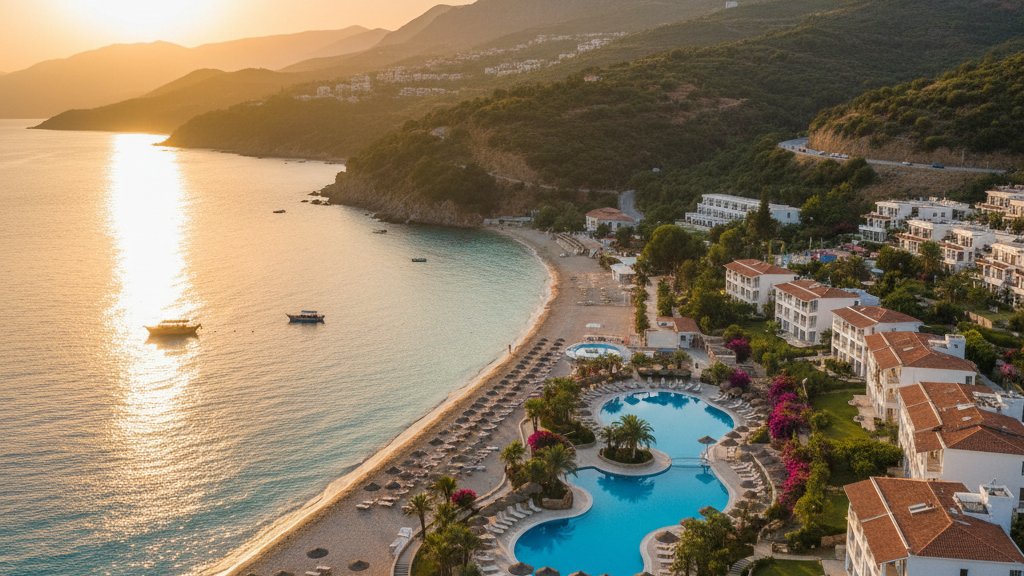
The Albanian Riviera coastline from Vlora to Ksamil maintains excellent 4G coverage from all providers along the primary SH8 highway. This 127 km route passes through tourist destinations including Dhermi, Himara, Qeparo, and Saranda with consistent signal strength and data speeds of 20-40 Mbps. The dramatic Llogara Pass section, climbing from sea level to 1,027 meters over 17 km of switchback curves, maintains Vodafone 4G coverage throughout, while One and ALBtelecom occasionally drop to 3G near the summit observation point.
Northern Albania's mountain routes present greater connectivity challenges. The road from Shkodra to Theth village - a 70 km journey combining paved highway, gravel mountain road, and dramatic valley descents - shows significant provider differences. Vodafone maintains usable 4G signal for approximately 85% of the route, losing coverage only in the deepest valley sections between 40-50 km. One Albania provides intermittent coverage after departing the paved SH21 highway, with 3G signal appearing and disappearing throughout the gravel section. ALBtelecom drops to no service approximately 30 km from Shkodra, regaining 3G only near Theth village itself.
The A1 motorway connecting Tirana to Durres (38 km) maintains perfect 4G and 5G coverage from all providers, with speeds consistently exceeding 50 Mbps. This route serves as the primary artery for travelers moving between Tirana airport and the coastal city of Durres, ensuring reliable navigation and communication for rental car pickup and early journey stages.
Interior cities including Berat (population 60,000), Gjirokaster (population 20,000), and Korca (population 75,000) maintain strong urban coverage from all providers. These UNESCO World Heritage destinations offer reliable connectivity for navigation between historic sites, restaurant searches, and accommodation communications. Surrounding rural areas show typical coverage patterns - primary highways maintain 4G signal, while secondary roads and mountain villages transition to 3G or lose service entirely depending on terrain and provider infrastructure investment.
Data Usage Expectations: Planning Your Allowance Needs
Estimating appropriate data allowances requires understanding typical traveler usage patterns across different Albania exploration styles. Conservative estimates prevent mid-trip data exhaustion, while excessive purchases waste money on unused capacity.
Navigation applications like Google Maps, Maps.me, and Waze consume approximately 3-5 MB per hour of active guidance. A typical day of driving from Tirana to Saranda (284 km, approximately 5 hours including stops) consumes 15-25 MB for continuous navigation. Downloading offline maps before departure significantly reduces data consumption, with Maps.me offering complete Albania offline maps requiring only 45 MB of initial download over WiFi.
Social media usage varies dramatically by individual habits. Instagram story uploads consume 3-5 MB per story, while photo uploads average 2-3 MB per image. Facebook posts with photos require similar data, while browsing feeds consumes approximately 2 MB per minute of active scrolling. Travelers posting multiple daily updates should budget 100-200 MB daily for social media interaction.
Video streaming represents the largest data consumer, with YouTube consuming approximately 500 MB per hour at standard definition and 2 GB per hour at HD quality. Video calls through WhatsApp, Skype, or FaceTime utilize 200-300 MB per hour. Travelers planning regular video communication with home should prioritize larger data packages or utilize hotel WiFi for bandwidth-intensive activities.
Messaging applications including WhatsApp, Viber, and Telegram consume minimal data - approximately 1 MB per 100 text messages or 5 MB per hour of voice calls. These efficient communication tools enable constant contact with travel companions or local service providers without significant data consumption.
Typical traveler profiles and recommended data allowances: casual explorers focusing on major cities and occasional navigation (5-10 GB for 7-10 days), active social media users documenting their journey extensively (15-20 GB for 7-10 days), digital nomads maintaining work connectivity (30-50 GB monthly), and road-trippers navigating extensively while maintaining moderate social media presence (20-30 GB for 14 days).
Frequently Asked Questions About Albanian Mobile Connectivity
Can I use my existing phone with an Albanian SIM card without unlocking?
Your phone must be unlocked from carrier restrictions to accept Albanian SIM cards. Most phones purchased directly from manufacturers arrive unlocked, while carrier-subsidized devices (common in US markets through AT&T, Verizon, or T-Mobile) require unlocking before accepting foreign SIMs. Contact your home carrier before departure to request unlocking, a process typically requiring that your contract obligations are fulfilled and any device financing is completed. The unlocking procedure takes 1-3 business days, making advance planning essential. European phones purchased through EU carriers generally arrive unlocked due to EU regulations.
Which Albanian mobile provider offers the fastest data speeds for streaming and work?
Vodafone Albania delivers the fastest consistent data speeds across tourist areas, with 4G LTE averaging 35-50 Mbps in major cities and coastal towns. Their 5G pilot network in Tirana's central districts achieves 150-250 Mbps, though limited geographic coverage restricts this advantage to specific downtown locations. One Albania provides competitive speeds of 25-40 Mbps in urban areas, sufficient for streaming and video conferencing. ALBtelecom's network averages 20-30 Mbps in optimal conditions. For digital nomads requiring reliable high-speed connectivity for video conferences or cloud-based work, Vodafone represents the most dependable choice despite premium pricing.
How does weather affect mobile signal strength in Albanian mountains?
Albanian mountain weather significantly impacts signal reliability during extreme conditions. Heavy rainfall reduces 4G LTE signal strength by approximately 20-30%, occasionally forcing network fallback to 3G in marginal coverage areas. Dense fog in mountain passes like Llogara or Llogaraja creates similar attenuation effects. Snow accumulation on base station antennas during winter months (December through February) can degrade service in high-elevation areas above 1,500 meters, though providers typically clear equipment within 24-48 hours of storms. Summer weather (June through September) provides the most reliable mountain connectivity, with clear conditions maintaining optimal signal propagation.
Can I keep my Albanian SIM card active for future visits?
Albanian SIM cards remain active for 6 months without usage, after which providers deactivate the number for reassignment. Maintaining activation requires a small top-up transaction (minimum 200 lek, approximately $2 USD) every 180 days, which can be completed online through provider websites without visiting Albania. This strategy proves economical for travelers making regular return visits, as keeping the same number preserves continuity for Albanian contacts including hotels, rental companies, or local tour operators. The preserved number also maintains any remaining data balance from previous packages, though validity periods for specific packages still expire according to their original terms.
What happens if I run out of data before my package expires?
Albanian providers offer immediate data top-up options through multiple channels once your package depletes. USSD codes dialed from your phone (*100# for Vodafone, *222# for One, *111# for ALBtelecom) access provider menus allowing package purchases charged against your account balance. Provider mobile apps enable one-click package additions with credit card payment, particularly convenient for international visitors. Physical top-up cards purchased at convenience stores, gas stations, or authorized resellers provide offline recharge options. Top-up packages range from 1 GB (500 lek) to 10 GB (2,500 lek) with validity periods matching your primary package's remaining duration. Out-of-bundle data rates become expensive at 100-150 lek per 100 MB, making package top-ups significantly more economical.