
How Many Sunny Days Does Albania Get Each Year?
Albania ranks among the sunniest destinations in Europe, offering travelers an exceptional climate that combines Mediterranean warmth with reliable sunshine throughout most of the year. This small Balkan nation experiences over 2,000 hours of sunshine annually in most regions, with coastal areas recording even higher totals that rival the best-known Mediterranean resorts. Understanding Albania's sunshine patterns helps visitors plan their trips and explains why this country has become increasingly popular among sun-seeking travelers from Northern Europe.
The number of sunny days varies significantly between Albania's coastal regions, inland valleys, and mountainous areas. Geographic position, elevation, and proximity to the Adriatic and Ionian seas all influence local sunshine totals. For travelers arriving at Tirana International Airport and planning road trips across different regions, these variations matter when choosing destinations and timing visits to maximize sunshine exposure.
Coastal Regions Lead in Annual Sunshine Hours
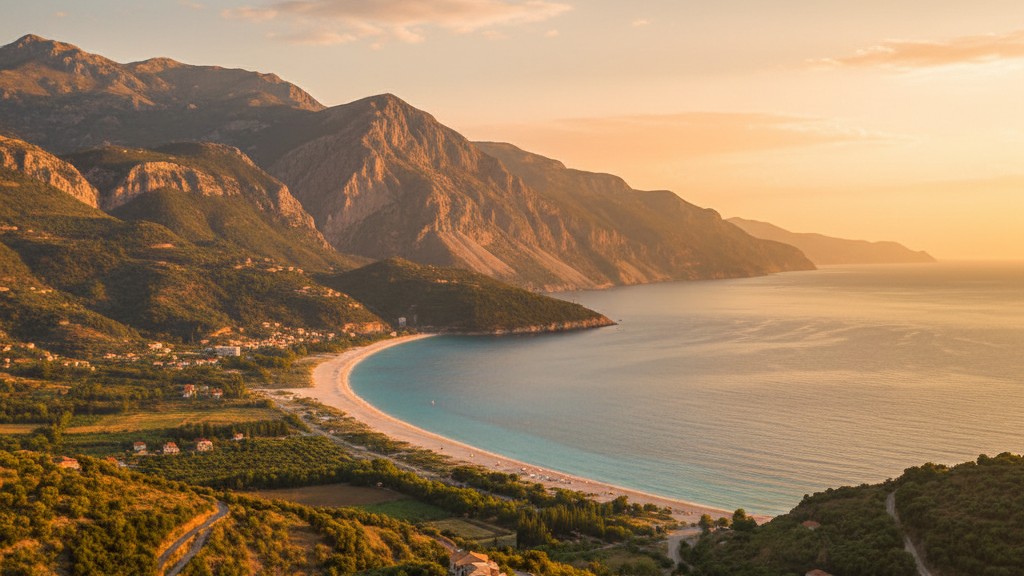
The Albanian Riviera and southern coastal zone register the highest sunshine totals in the country, with Saranda leading at approximately 2,924 hours per year. This translates to roughly 300 sunny days annually, a figure that places Saranda among the sunniest cities in all of Europe. The city's position on Albania's southern coast, protected by surrounding hills and exposed to warm Mediterranean air masses, creates ideal conditions for consistent sunshine from early spring through late autumn.
Vlora records approximately 2,500 sunshine hours annually, while Durres on the central coast achieves similar totals. These coastal cities benefit from stable high-pressure systems that dominate the region during summer months, producing long stretches of cloudless skies. Even during winter, coastal areas experience more sunny days than inland regions, as maritime influence moderates weather patterns and prevents the formation of persistent cloud cover. The Adriatic coastline from Shengjin south to Vlora maintains particularly favorable sunshine statistics, making it attractive for travelers seeking reliable weather conditions.
The microclimate differences between Albania's coast and interior regions become apparent when comparing specific locations. Coastal areas receive afternoon sea breezes that clear morning haze without bringing clouds, while the Ionian coast south of the Llogara Pass benefits from shelter provided by coastal mountains. This geographic arrangement creates a rain shadow effect that enhances sunshine totals along the southern coastline, particularly between Dhermi and Saranda.
Inland and Mountain Areas Experience Fewer Sunny Days
Tirana, situated in a valley approximately 25 kilometers from the coast, records around 2,226 sunshine hours per year. This represents roughly 250 sunny days annually, still a respectable total but noticeably lower than coastal regions. The capital's continental influences bring more variable weather, with increased cloudiness during winter months and occasional afternoon thunderstorms in summer that temporarily interrupt sunshine. Travelers renting cars in Tirana and heading to mountain destinations should anticipate greater weather variability compared to coastal areas.
Shkodra in northern Albania experiences approximately 2,100 sunshine hours annually, with mountain ranges to the east and proximity to Lake Shkodra influencing local weather patterns. The northern regions generally receive slightly less sunshine than central and southern areas, particularly during winter when Atlantic weather systems bring extended periods of cloud cover. Berat and Gjirokastra in central Albania record sunshine totals between 2,200 and 2,400 hours, benefiting from valley positions that provide some shelter from weather systems moving across the country.
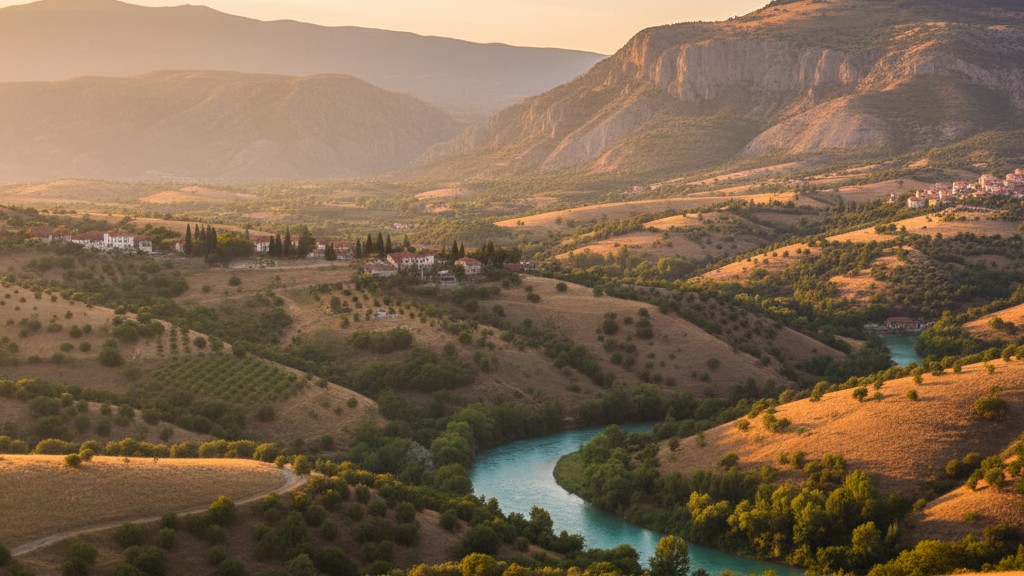
The Albanian Alps and mountainous regions above 1,000 meters elevation experience the lowest sunshine totals, particularly during winter when valleys fill with fog and low clouds. Theth and Valbona, popular destinations for hikers, receive considerably less sunshine from November through March compared to summer months. However, when sunshine does occur in these mountain areas, the clear air and low humidity produce exceptional visibility and dramatic lighting conditions that photographers particularly value.
Seasonal Patterns Determine Best Sunshine Months
June through August represents the peak sunshine period across all Albanian regions, with July typically recording the highest monthly sunshine totals. Coastal areas average 11 to 12 hours of sunshine per day during these months, with temperatures reaching 30 to 35 degrees Celsius in inland areas and slightly cooler 28 to 32 degrees along the coast due to sea breezes. This period sees minimal rainfall and almost constant high-pressure dominance, producing week-long stretches of entirely cloudless conditions.
May and September offer excellent sunshine conditions with slightly lower temperatures, making these months particularly attractive for visitors who prefer warm rather than hot weather. May averages 9 to 10 sunshine hours daily across most regions, while September maintains 8 to 9 hours as autumn approaches. These shoulder season months still provide reliable sunshine for beach activities and outdoor exploration while avoiding the peak summer crowds that concentrate along popular coastal sections.
Winter sunshine becomes more variable and region-dependent. Coastal areas maintain 4 to 5 sunshine hours daily on average during December through February, with many bright, crisp days interspersed among rainy periods. Inland areas experience more persistent cloud cover during winter, with Tirana averaging 3 to 4 sunshine hours daily. Mountain areas can experience extended cloudy periods, though when high-pressure systems establish themselves, winter sunshine in the mountains produces stunning conditions with snow-covered peaks under clear blue skies.
Comparing Albania's Sunshine with Other Mediterranean Destinations
Albania's sunshine totals compare favorably with established Mediterranean destinations. Saranda's 2,924 annual sunshine hours exceed those of Barcelona (2,524 hours) and approach the totals recorded by southern Spanish coastal cities. The Albanian coast receives more sunshine than much of the Italian Adriatic coast, matching or exceeding destinations like Rimini and Pescara. Only the sunniest parts of southern Spain, Cyprus, and southern Greece consistently surpass Albania's coastal sunshine statistics.
The combination of high sunshine totals and lower tourist density makes Albania particularly attractive for sun-seeking travelers who want to avoid overcrowded beaches. While the Costa del Sol and Greek islands accommodate millions of visitors during peak season, Albania's coastal towns retain a more relaxed atmosphere despite excellent weather conditions. The value proposition improves further when considering accommodation and dining costs, which remain significantly lower than in Western Mediterranean destinations.
Reliability of sunshine during summer months matches that of more famous Mediterranean destinations. Albania experiences the same stable subtropical high-pressure systems that produce guaranteed sunshine in Greece and southern Italy. The frequency of completely sunny days during July and August - where no clouds appear at all - reaches 80 to 90 percent in coastal areas, matching the statistics of the sunniest Mediterranean locations.
Practical Implications for Road Trip Planning
Understanding regional sunshine variations helps optimize itinerary planning for visitors exploring Albania by car. A trip starting in Durres and heading south toward Sarande moves progressively into areas with higher sunshine probability, making southbound coastal routes particularly attractive. Conversely, trips heading north toward Shkodra or east into mountain areas should anticipate slightly less predictable sunshine, particularly during shoulder seasons.

The famous coastal road SH8 between Vlora and Sarande follows Albania's sunniest corridor, crossing the Llogara Pass at 1,027 meters before descending to the southern coast. This route benefits from exceptional sunshine statistics throughout the driving season, with roadside viewpoints offering spectacular coastal vistas under predominantly clear skies. Travelers with convertibles or vehicles with large windows particularly appreciate this route's reliable weather conditions.
Mountain routes including the road to Theth and the Valbona Pass require more flexible planning regarding sunshine expectations. While summer months provide excellent conditions with long daylight hours, spring and autumn trips should account for possible cloudy weather and reduced visibility. However, the dramatic scenery becomes even more impressive under clear skies, making the occasional wait for good weather worthwhile for photography and outdoor activities.
| Location | Annual Sunshine Hours | Sunny Days per Year | Peak Sunshine Month | Best Season |
|---|---|---|---|---|
| Saranda (South Coast) | 2,924 | ~300 | July | May-September |
| Vlora (Central Coast) | 2,500 | ~270 | July | June-September |
| Durres (North Coast) | 2,500 | ~270 | July | June-September |
| Tirana (Inland Valley) | 2,226 | ~250 | July | May-September |
| Shkodra (North) | 2,100 | ~240 | July | June-August |
| Berat (Central) | 2,300 | ~260 | July | May-September |
Climate Factors Behind Albania's Sunshine Statistics
Albania's position at the crossroads of Mediterranean and continental climate zones creates the conditions for high annual sunshine totals. The country sits far enough south to benefit from subtropical high-pressure systems that dominate summer weather, while its coastal orientation allows maritime influences to moderate temperatures without bringing excessive cloud cover. The Dinaric Alps along Albania's eastern border provide shelter from cold continental air masses, helping maintain stable weather patterns along the coast.
The Mediterranean climate classification that applies to most of Albania's coastal regions inherently produces high sunshine totals. This climate type features dry, stable summers with minimal precipitation and predominantly clear skies. Winter rainfall concentrates in shorter periods rather than producing persistent drizzle, meaning even wet season months include many sunny days between storm systems. The total number of days with precipitation rarely exceeds 100 per year in coastal areas, leaving the majority of days at least partially sunny.
Topographic features enhance sunshine totals in specific locations. The Llogara Pass creates a barrier that separates weather systems affecting northern coastal areas from the southern Ionian coast. Saranda's position in a south-facing bay provides additional shelter from northerly winds while maintaining exposure to sun throughout the day. These local geographic advantages explain why certain Albanian locations record sunshine totals that exceed regional averages.
How Sunshine Affects Travel Activities and Vehicle Choice
The abundance of sunshine in Albania makes outdoor activities viable throughout most of the year, influencing both activity planning and vehicle selection for road trips. Convertible vehicles and cars with large sunroofs become particularly enjoyable given the high probability of clear weather, especially along coastal routes. However, travelers should also consider sun protection, as the strong Mediterranean sun at Albania's latitude requires appropriate precautions during extended outdoor exposure.
Beach activities remain viable from May through October along the coast, with water temperatures reaching comfortable levels by June and remaining warm through September. The extended sunshine season means Albania offers almost double the practical beach season of Northern European destinations. This extended season also reduces crowding compared to locations where good weather concentrates in just two or three months.
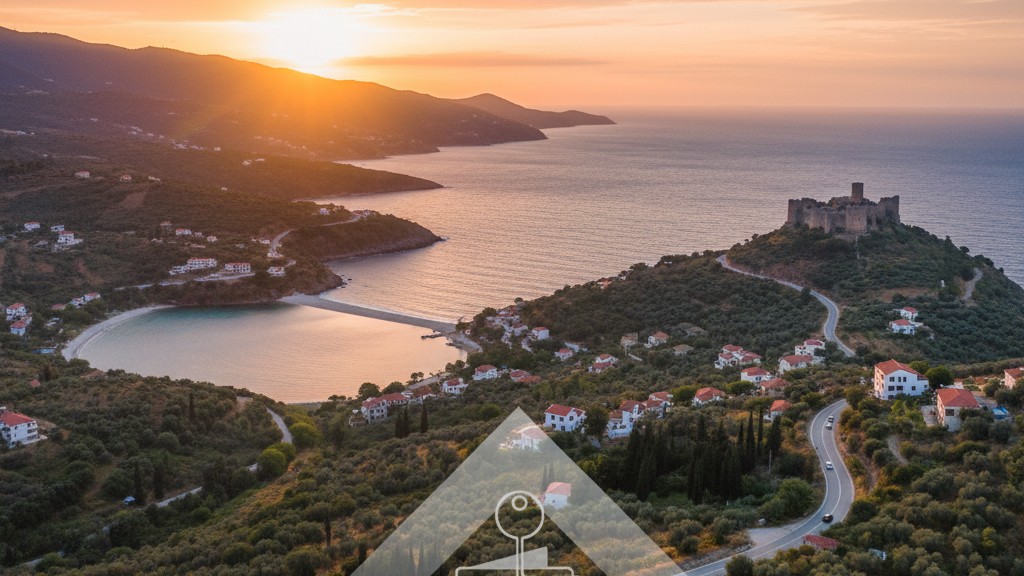
Photography enthusiasts find Albania's sunshine patterns particularly favorable. The high percentage of clear days allows reliable planning for landscape and coastal photography, while the strong Mediterranean light creates vibrant colors and good contrast. The golden hour before sunset produces exceptional lighting conditions, particularly along the coast where the sun sets over the sea. Winter sunshine can produce equally dramatic lighting in mountain areas, with snow and clear air combining for crisp, high-contrast conditions.
FAQ
How many totally clear sunny days does Albania experience per year compared to days with partial sunshine?
Coastal Albania experiences approximately 200 to 220 days per year with completely clear skies, while an additional 50 to 80 days feature partially cloudy conditions with significant sunshine. This means about 85 percent of days include substantial sunshine periods. Summer months see the highest percentage of entirely cloudless days, often exceeding 90 percent from June through August. Inland areas experience slightly fewer completely clear days, with approximately 180 to 200 annually, but still maintain high overall sunshine totals.
Does the Albanian Riviera receive more sunshine than the northern Adriatic coast near Shkodra and how significant is the difference for trip planning?
The southern Albanian Riviera receives approximately 15 to 20 percent more annual sunshine than the northern Adriatic coast, with Saranda recording about 800 more sunshine hours per year than Shkodra. This difference becomes most pronounced during spring and autumn when southern areas maintain more stable weather patterns. For trip planning, travelers prioritizing maximum sunshine should focus on destinations south of Vlora, particularly between the Llogara Pass and the Greek border. The northern coast still offers excellent summer conditions but experiences more variable weather during shoulder seasons.
Which month offers the best balance between sunshine hours and comfortable temperatures for visitors who find peak summer too hot?
September provides the optimal combination of high sunshine hours and moderate temperatures for heat-sensitive travelers. The month maintains 8 to 9 daily sunshine hours along the coast with temperatures typically ranging from 24 to 28 degrees Celsius, compared to July's 30 to 35 degrees. Sea temperatures remain warm at 23 to 25 degrees through September, making beach activities comfortable. May offers similar advantages on the season's opposite end, though sea temperatures are cooler at 18 to 20 degrees. Both months show minimal rainfall and stable weather patterns while avoiding peak summer heat.
How reliable are sunshine forecasts for Albania and how far in advance can travelers confidently plan outdoor activities during summer months?
Summer sunshine forecasts for Albania show high reliability due to stable weather patterns dominated by subtropical high pressure systems. Five-day forecasts during June through August achieve approximately 85 to 90 percent accuracy for sunshine predictions in coastal areas. Travelers can confidently plan specific outdoor activities three to four days in advance during summer, with general expectations of sunshine holding for week-long periods. Weather systems that bring clouds typically arrive with sufficient warning to allow activity adjustment. Spring and autumn forecasts show slightly lower reliability, with three-day outlooks providing better confidence than longer-range predictions.
Do mountain areas like Theth and Valbona ever experience more sunshine than coastal regions and under what conditions does this occur?
Mountain areas occasionally experience clearer conditions than the coast during winter when temperature inversions trap fog and low clouds in coastal valleys while peaks remain in sunshine. This phenomenon occurs 15 to 20 days per year, primarily from November through February. However, annual sunshine totals still favor coastal regions by a significant margin. Summer thunderstorms can also temporarily create situations where mountains are clearer than coast, though these represent short-term conditions rather than extended periods. The exceptional air clarity at elevation makes mountain sunshine particularly intense when it occurs, producing dramatic visibility that reveals distant peaks and creates excellent conditions for landscape photography.
How does sunshine duration affect driving conditions on major routes like the SH8 coastal road and should travelers adjust departure times based on sun position?
Sunshine duration affects driving primarily through glare considerations rather than visibility limitations. The SH8 coastal road between Vlora and Sarande runs roughly north-south, meaning late afternoon drivers heading south face direct sun, while morning northbound drivers encounter similar conditions. Planning departures to position difficult sections like the Llogara Pass hairpins during mid-day rather than early morning or late afternoon reduces glare issues. The reliable sunshine along this route means drivers can confidently plan timing around sun position rather than worrying about rain or fog. Mountain roads experience more variable conditions where early starts maximize chances of clear weather before afternoon cloud development during summer months.
Comments (4)
"Wow, I am so impressed with the number of sunny days in Albania! As someone who loves to travel and soak up the sun, this is now high on my list of destinations to visit. The fact that there are over 300 sunny days a year is amazing and makes me excited for all the outdoor activities and sights to see. I can't wait to experience the beautiful beaches, mountains, and explore the rich history and culture that Albania has to offer. Thank you for providing this useful information!"
Thank you for your comment! Albania truly has a lot to offer with its sunny weather, stunning landscapes, and rich culture. I hope you get a chance to visit and enjoy all the outdoor activities and sights that the country has to offer. Don't hesitate to reach out if you need any additional information or recommendations for your trip.
As a frequent traveler to Albania, I cannot express how much I appreciate the weather in this beautiful country. With over 300 sunny days a year, Albania is the perfect destination for those seeking warm and sunny weather. The clear blue skies not only make for perfect beach days, but they also provide stunning scenery for hiking and sightseeing. The hospitality of the Albanian people, combined with the amazing weather, make Albania one of the top destinations for travelers. Thank you, Albania, for providing us with so many sunny days to enjoy!
Thank you for sharing your positive experience of Albania's weather! It's great to hear that you've enjoyed the sunny skies and had a wonderful time exploring the country. Albania's hospitality and beautiful scenery definitely make it a top destination for travelers. We hope you have many more sunny days to enjoy on your future trips to Albania!